Provide high-quality standard hydraulic component products to global customers.

Braided Hydraulic Hoses: Elevating Your Fluid Power Solutions
Sep 08,2025
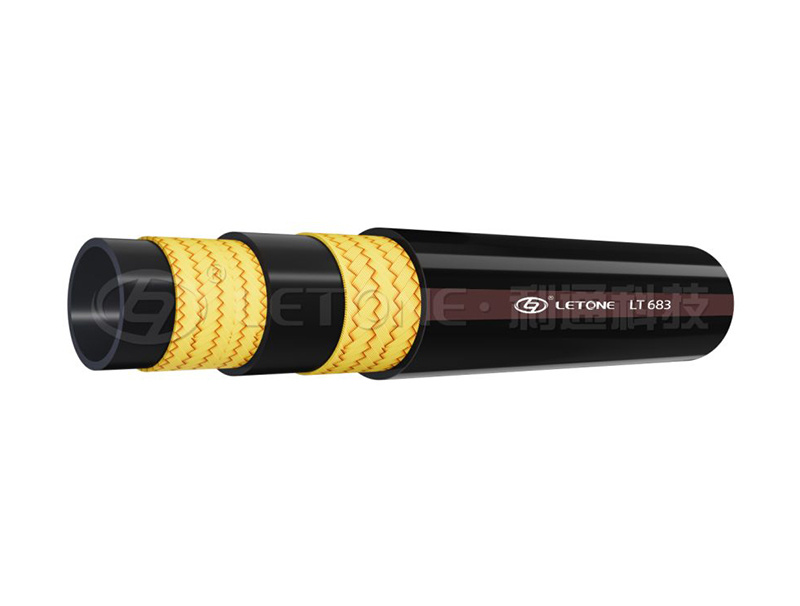
Introduction to Braided Hydraulic Hoses
In the realm of fluid power solutions, **braided hydraulic hoses** stand out as a crucial component that significantly enhances efficiency and performance in various applications. These hoses are engineered to withstand high pressures, making them an ideal choice for hydraulic systems across industries such as construction, manufacturing, and automotive. This article delves into the intricacies of braided hydraulic hoses, exploring their design, benefits, and applications, and offering insights on how to choose the right one for your specific needs.
Understanding the Basics of Hydraulic Hoses
What Are Hydraulic Hoses?
Hydraulic hoses are flexible tubes designed to convey hydraulic fluid within hydraulic systems. They are typically made from synthetic rubber and come in various constructions, including spiral and braided designs. The primary function of these hoses is to transmit power and fluid between different components of hydraulic machinery.
Types of Hydraulic Hoses
When discussing hydraulic hoses, it’s essential to recognize the various types available:
- **Spiral Hydraulic Hoses**: These hoses are constructed with multiple layers of steel wire spirals, providing excellent resistance to high pressures. They are commonly used in heavy-duty applications.
- **Braided Hydraulic Hoses**: These hoses utilize woven layers of steel wire or textile materials to reinforce the rubber core, offering a balance of flexibility and strength.
Each type has its specific strengths and is suited to different applications within fluid power systems.
What Are Braided Hydraulic Hoses?
The Structure of Braided Hydraulic Hoses
Braided hydraulic hoses consist of an inner tube, a reinforcement layer, and an outer cover. The inner tube typically features a **synthetic rubber** composition designed to resist hydraulic fluids. The reinforcement layer, which is the braided aspect, can utilize materials such as steel wire or textile, providing the hose with exceptional pressure resistance and flexibility. The outer cover protects against environmental factors like abrasion and UV rays.
Benefits of Using Braided Hydraulic Hoses
1. **High Pressure Resistance**: Braided hydraulic hoses can handle much higher pressures compared to non-braided hoses, making them suitable for high-performance applications.
2. **Flexibility**: The braided design allows for greater flexibility, making these hoses easier to install in tight spaces without compromising performance.
3. **Durability**: The robust construction and protective outer layer ensure a longer lifespan and reduced risk of leaks or failures.
4. **Weight Efficiency**: Braided hoses tend to be lighter than their spiral counterparts, which can contribute to overall system efficiency.
5. **Wide Temperature Range**: They perform well across a broad range of temperatures, making them versatile for various operating environments.
Applications of Braided Hydraulic Hoses
Industries Utilizing Braided Hydraulic Hoses
Braided hydraulic hoses find applications in numerous industries:
- **Construction**: Used in equipment like excavators and bulldozers for power transmission.
- **Automotive**: Commonly found in brake lines and power steering systems.
- **Manufacturing**: Essential in machinery that utilizes hydraulic power for operations.
- **Agriculture**: Used in tractors and other farming equipment to operate hydraulic implements.
Choosing the Right Braided Hydraulic Hose
When selecting a braided hydraulic hose, consider the following factors:
- **Pressure Rating**: Ensure the hose can handle the maximum pressure your system will experience.
- **Fluid Compatibility**: Verify that the hose material is compatible with the hydraulic fluid used in your system.
- **Temperature Range**: Check that the hose can operate effectively within the desired temperature limits.
- **Size and Length**: Measure the necessary diameter and length required for your application, ensuring a snug fit to avoid leaks.
Installation and Maintenance of Braided Hydraulic Hoses
Proper Installation Techniques
Installing braided hydraulic hoses requires attention to detail. Follow these steps for a successful installation:
1. **Select the Right Size**: Choose hoses that fit properly to avoid kinks and bends.
2. **Avoid Sharp Bends**: Ensure that the hoses are not bent beyond their minimum bend radius, as this can lead to damage.
3. **Secure Connections**: Use appropriate fittings and clamps to secure the hoses, ensuring they are leak-free.
4. **Inspect for Damage**: Before installation, inspect hoses for any signs of wear or damage.
Maintenance Best Practices
Regular maintenance of braided hydraulic hoses is essential for longevity:
- **Routine Inspections**: Check hoses regularly for signs of wear, leaks, or abrasions.
- **Clean Connections**: Keep fittings clean to prevent contamination in the hydraulic system.
- **Replace When Necessary**: Replace hoses that show signs of significant wear or those that have reached their service life.
Common Issues with Braided Hydraulic Hoses
Identifying and Troubleshooting Problems
Like any component in a hydraulic system, braided hoses can experience issues. Common problems include:
- **Leaking Hoses**: Often caused by improper installation, wear, or damage to the hose.
- **Kinking or Bending**: Excessive bending can restrict fluid flow and lead to premature failure.
- **Abrasion Damage**: Hoses that come into contact with rough surfaces can suffer abrasion, leading to leaks.
Preventative Measures
To prevent these issues, focus on proper installation, regular inspections, and selecting high-quality hoses designed for your specific application.
FAQs about Braided Hydraulic Hoses
1. What is the lifespan of a braided hydraulic hose?
The lifespan of a braided hydraulic hose can vary based on factors such as application, pressure, and maintenance. Typically, they can last between 5 to 10 years with proper care.
2. Can braided hydraulic hoses be repaired?
Repairing braided hydraulic hoses is often not recommended due to the potential for failure. It is generally safer to replace the hose entirely.
3. Are braided hydraulic hoses suitable for all fluids?
Not all braided hoses are compatible with every type of hydraulic fluid. Always check the manufacturer’s specifications for fluid compatibility.
4. How do I determine the correct size for a braided hydraulic hose?
To determine the correct size, measure the diameter and length required for your application. Consulting with a manufacturer’s guide can also assist in selecting the proper size.
5. What maintenance should I perform on braided hydraulic hoses?
Regular inspections for wear and leaks, cleaning fittings, and replacing hoses as needed are key maintenance practices to ensure reliability and performance.
Conclusion
In conclusion, braided hydraulic hoses play a pivotal role in enhancing fluid power solutions across various industries. Their superior design offers unmatched pressure resistance, flexibility, and durability, making them an indispensable component in modern hydraulic systems. By understanding the benefits, applications, and maintenance of these hoses, you can ensure optimal performance and longevity in your hydraulic operations. Investing in high-quality braided hydraulic hoses can significantly elevate your system’s efficiency, delivering reliable and powerful fluid transmission for years to come. Make informed choices and prioritize maintenance to maximize the advantages these hoses provide in your fluid power solutions.
Contact Us
E-mail :
admin@lionflex.cn
Mobile:
+86-15921166698
Address:
Hangzhou Xiaoshan District Heshang Town Daqiao Industrial Zone

Mobile: +86-15921166698
website: www.lion-hydraulic.com
Adress: Hangzhou Xiaoshan District Heshang Town Daqiao Industrial Zone

Request Quote