Provide high-quality standard hydraulic component products to global customers.

Why High Impulse Braided Hydraulic Hoses Are Essential for Heavy Machinery
Sep 21,2026
Why High Impulse Braided Hydraulic Hoses Are Essential for Heavy Machinery
Table of Contents
- Introduction to High Impulse Braided Hydraulic Hoses
- Understanding Hydraulic Hoses: A Comprehensive Overview
- The Importance of High Impulse Braided Hydraulic Hoses
- Applications of High Impulse Braided Hydraulic Hoses in Heavy Machinery
- Benefits of Using High Impulse Braided Hydraulic Hoses
- Comparison with Standard Hydraulic Hoses
- Choosing the Right High Impulse Braided Hydraulic Hose
- Maintaining High Impulse Braided Hydraulic Hoses for Longevity
- Frequently Asked Questions
- Conclusion
Introduction to High Impulse Braided Hydraulic Hoses
In the world of heavy machinery, efficiency and reliability are paramount. **High impulse braided hydraulic hoses** are engineered to withstand extreme pressures and harsh operating conditions. These hoses serve as critical components in hydraulic systems, ensuring that machinery operates smoothly and effectively. Understanding their characteristics and advantages is essential for anyone involved in heavy machinery operations.
Understanding Hydraulic Hoses: A Comprehensive Overview
Hydraulic hoses are flexible tubes designed to convey hydraulic fluid in hydraulic systems. They come in various types, including:
- **Standard Hydraulic Hoses**: Typically used in low to medium pressure applications.
- **High-Pressure Hydraulic Hoses**: Built to handle high pressures and usually reinforced with multiple layers.
- **High Impulse Braided Hydraulic Hoses**: Specifically designed to endure fluctuating or high impulse pressures, these hoses feature a robust braided construction.
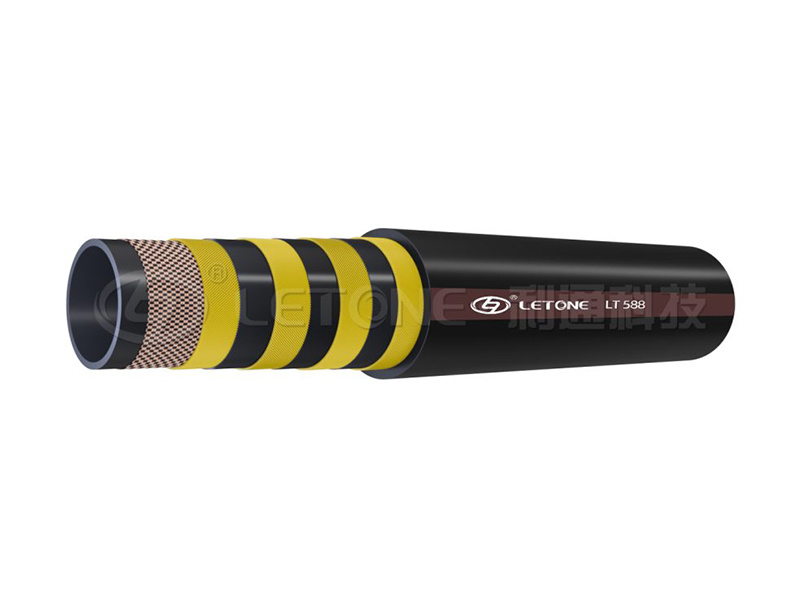
High impulse braided hydraulic hoses commonly consist of an inner tube, reinforcement layers (braided or spiral), and an outer cover. The inner tube transports hydraulic fluids, while the braided or spiral reinforcement provides strength and durability, enabling the hose to withstand substantial pressure fluctuations.
The Importance of High Impulse Braided Hydraulic Hoses
In heavy machinery, the hydraulic system often operates under extreme conditions, such as high temperatures and varying pressure levels. **High impulse braided hydraulic hoses** are crucial for several reasons:
1. **Safety**: These hoses are designed to handle sudden pressure spikes without bursting, reducing the risk of accidents.
2. **Performance**: Reliable performance is essential for heavy machinery to operate efficiently. The braided construction ensures that the hose maintains its integrity under high pressure.
3. **Longevity**: High impulse braided hydraulic hoses are built to last, reducing the frequency of replacements and maintenance costs.
Applications of High Impulse Braided Hydraulic Hoses in Heavy Machinery
High impulse braided hydraulic hoses find applications across various sectors involving heavy machinery, including:
- **Construction**: Used in excavators, bulldozers, and cranes, where hydraulic systems are essential for lifting and digging operations.
- **Agriculture**: Implements such as tractors and harvesters rely on hydraulic systems powered by these hoses for efficiency.
- **Mining**: Hydraulic equipment used in mining operations heavily depends on durable and reliable hoses to operate under tough conditions.
- **Material Handling**: In forklifts and conveyor systems, high impulse hoses ensure that hydraulic functions perform without fail.
Employing high impulse braided hydraulic hoses enhances the overall effectiveness of these machines, ensuring they perform optimally in their respective applications.
Benefits of Using High Impulse Braided Hydraulic Hoses
Choosing high impulse braided hydraulic hoses offers numerous benefits, including:
1. **Enhanced Durability**: The braided design provides superior strength, allowing these hoses to withstand extreme conditions and pressures.
2. **Reduced Downtime**: With their robustness, high impulse hoses minimize the likelihood of failures, resulting in less downtime for machinery.
3. **Cost-Effectiveness**: Although the initial investment may be higher, the long lifespan and reduced maintenance costs result in better cost-effectiveness over time.
4. **Versatility**: These hoses can be used across various industries and applications, making them a versatile choice for businesses.
Comparison with Standard Hydraulic Hoses
When comparing high impulse braided hydraulic hoses to standard hydraulic hoses, the differences in performance and suitability for specific applications become clear:
- **Pressure Ratings**: High impulse hoses typically have higher pressure ratings than standard hoses, making them suitable for more demanding tasks.
- **Reinforcement Types**: Standard hoses may use a single layer of reinforcement while high impulse hoses often incorporate multiple layers, enhancing their strength and reliability.
- **Temperature Resistance**: High impulse braided hoses are designed to perform well under a wider temperature range, making them ideal for harsh environments.
Choosing the right hose type according to the application requirements is vital for optimal performance.
Choosing the Right High Impulse Braided Hydraulic Hose
When selecting high impulse braided hydraulic hoses, several factors should be considered:
1. **Pressure Requirements**: Ensure the hose can handle the maximum pressure of your hydraulic system.
2. **Temperature Range**: Choose hoses that can operate effectively within the temperature range of your application.
3. **Chemical Compatibility**: Verify that the hose material is compatible with the hydraulic fluids used in your machinery.
4. **Size and Length**: Consider the specific dimensions required for your application to ensure a proper fit.
Consulting with manufacturers or experts in hydraulic systems can help in making informed decisions.
Maintaining High Impulse Braided Hydraulic Hoses for Longevity
Proper maintenance of high impulse braided hydraulic hoses is essential for ensuring their longevity and reliable performance. Here are key maintenance tips:
1. **Regular Inspections**: Frequently check hoses for signs of wear, cracks, or leaks, addressing any issues promptly.
2. **Cleanliness**: Keep hoses clean and free from dirt and debris to prevent contamination of hydraulic fluids.
3. **Correct Installation**: Ensure hoses are installed correctly to avoid unnecessary stress and damage.
4. **Temperature Monitoring**: Monitor the operating temperature of hydraulic systems to prevent overheating of hoses.
Implementing these maintenance practices can significantly extend the life of your hydraulic hoses.
Frequently Asked Questions
1. What is the difference between high impulse braided hydraulic hoses and standard hydraulic hoses?
High impulse braided hydraulic hoses are designed to withstand higher pressures and fluctuating impulse forces, making them more suitable for demanding applications compared to standard hydraulic hoses.
2. How can I determine the right size of hydraulic hose for my machinery?
The right hose size depends on the hydraulic system's pressure requirements and the specific application. Consulting with a professional or referring to the machinery's manual can provide guidance.
3. What are the signs of wear in hydraulic hoses that I should look for?
Signs of wear include visible cracks, bulges, leaks, and discoloration. Regular inspections are crucial for identifying these issues early.
4. Can high impulse braided hydraulic hoses be used in extreme temperatures?
Yes, high impulse braided hydraulic hoses are designed to operate effectively over a broad temperature range, but it's essential to check the specifications to ensure compatibility with your specific application.
5. What should I do if I notice a leak in my hydraulic hose?
If you notice a leak, cease operation immediately and inspect the hose for damage. Replace it if necessary to prevent further issues in your hydraulic system.
Conclusion
High impulse braided hydraulic hoses play an essential role in the functionality and safety of heavy machinery. Their robust design, ability to withstand extreme pressures, and versatility across various applications make them a vital component in hydraulic systems. Understanding the importance of these hoses and their maintenance can significantly enhance the performance and reliability of heavy machinery operations. By investing in quality high impulse braided hydraulic hoses, businesses can ensure their machinery operates efficiently, safely, and effectively for years to come.
PREVIOUS:
Contact Us
E-mail :
admin@lionflex.cn
Mobile:
+86-15921166698
Address:
Hangzhou Xiaoshan District Heshang Town Daqiao Industrial Zone

Mobile: +86-15921166698
website: www.lion-hydraulic.com
Adress: Hangzhou Xiaoshan District Heshang Town Daqiao Industrial Zone

Request Quote