Provide high-quality standard hydraulic component products to global customers.

The Essential Guide to Offshore Oil Rig Hoses: Key Insights and Applications
Nov 09,2025
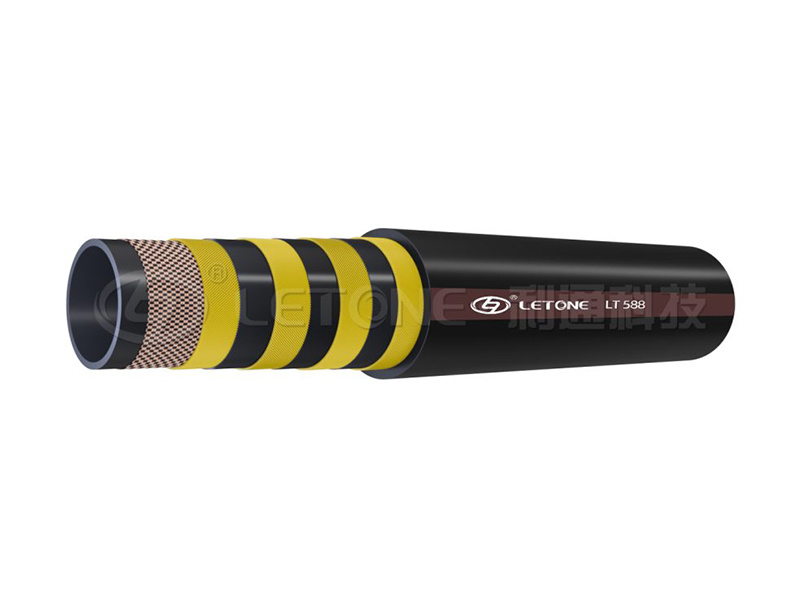
Offshore oil rig hoses are essential components in the oil and gas industry, specifically designed for transporting fluids such as crude oil, natural gas, and various chemicals. These hoses are engineered to meet demanding operational requirements and are often exposed to harsh environments, including extreme temperatures and high pressures. Understanding the characteristics and applications of offshore oil rig hoses is crucial for ensuring safety and efficiency in offshore operations.
The construction of offshore oil rig hoses typically involves multiple layers of materials that enhance their durability and resistance to wear and tear. Common materials include synthetic rubber, thermoplastics, and reinforced fabrics. These materials provide not only strength and flexibility but also resistance to various chemicals and environmental factors, making them suitable for the challenging conditions encountered in offshore environments.
There are several types of offshore oil rig hoses, each designed for specific applications. For instance, flexible hoses are often used for transferring liquids between platforms and supply vessels. These hoses can accommodate a range of movements, which is essential in the dynamic offshore environment. Conversely, rigid hoses are utilized for more stable connections and are commonly employed in fixed installations. Understanding the right type of hose for a specific application is vital for maintaining safety and operational efficiency.
Safety is a paramount concern in offshore operations, and the selection of quality offshore oil rig hoses contributes significantly to risk management. Regular inspections and maintenance are necessary to identify wear and potential failure points before they lead to hazardous situations. Additionally, using hoses that comply with industry standards and regulations ensures that they can withstand the rigors of their intended use, minimizing the risk of leaks or ruptures.
In conclusion, offshore oil rig hoses play a critical role in the efficient and safe operation of oil and gas extraction. By understanding their construction, types, and applications, stakeholders in the industry can make informed decisions when selecting hoses for their offshore operations. Proper attention to these components is essential in maintaining safety, reliability, and productivity in the challenging offshore environment. Whether you are involved in the engineering, procurement, or operational aspects of offshore projects, awareness of offshore oil rig hoses is a key element in successful and safe drilling operations.
The construction of offshore oil rig hoses typically involves multiple layers of materials that enhance their durability and resistance to wear and tear. Common materials include synthetic rubber, thermoplastics, and reinforced fabrics. These materials provide not only strength and flexibility but also resistance to various chemicals and environmental factors, making them suitable for the challenging conditions encountered in offshore environments.
There are several types of offshore oil rig hoses, each designed for specific applications. For instance, flexible hoses are often used for transferring liquids between platforms and supply vessels. These hoses can accommodate a range of movements, which is essential in the dynamic offshore environment. Conversely, rigid hoses are utilized for more stable connections and are commonly employed in fixed installations. Understanding the right type of hose for a specific application is vital for maintaining safety and operational efficiency.
Safety is a paramount concern in offshore operations, and the selection of quality offshore oil rig hoses contributes significantly to risk management. Regular inspections and maintenance are necessary to identify wear and potential failure points before they lead to hazardous situations. Additionally, using hoses that comply with industry standards and regulations ensures that they can withstand the rigors of their intended use, minimizing the risk of leaks or ruptures.
In conclusion, offshore oil rig hoses play a critical role in the efficient and safe operation of oil and gas extraction. By understanding their construction, types, and applications, stakeholders in the industry can make informed decisions when selecting hoses for their offshore operations. Proper attention to these components is essential in maintaining safety, reliability, and productivity in the challenging offshore environment. Whether you are involved in the engineering, procurement, or operational aspects of offshore projects, awareness of offshore oil rig hoses is a key element in successful and safe drilling operations.
Contact Us
E-mail :
admin@lionflex.cn
Mobile:
+86-15921166698
Address:
Hangzhou Xiaoshan District Heshang Town Daqiao Industrial Zone

Mobile: +86-15921166698
website: www.lion-hydraulic.com
Adress: Hangzhou Xiaoshan District Heshang Town Daqiao Industrial Zone

Request Quote