Provide high-quality standard hydraulic component products to global customers.

Furnace Coolant Hose: Understanding Its Crucial Role in System Safety
Jan 23,2026
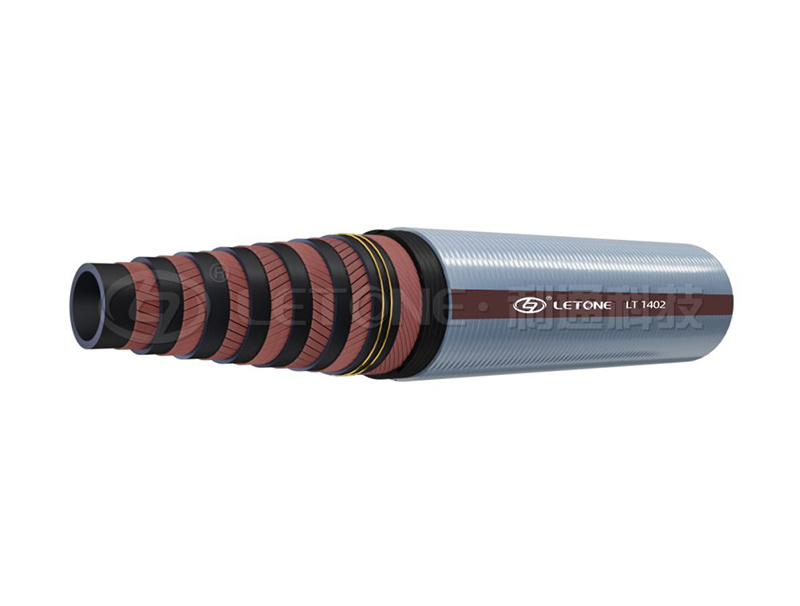
Furnace Coolant Hose: Understanding Its Crucial Role in System Safety
Table of Contents
- 1. Introduction to Furnace Coolant Hoses
- 2. The Functionality of Furnace Coolant Hoses
- 3. Types of Furnace Coolant Hoses and Their Materials
- 4. Importance of Proper Installation and Maintenance
- 5. Troubleshooting Common Issues with Furnace Coolant Hoses
- 6. When and How to Replace a Furnace Coolant Hose
- 7. Safety Precautions When Working with Furnace Coolant Hoses
- 8. Frequently Asked Questions
- 9. Conclusion
1. Introduction to Furnace Coolant Hoses
Furnace coolant hoses play a pivotal role in the operation of heating systems, providing a pathway for coolant fluid that helps regulate temperature and maintain system efficiency. Understanding the importance of these hoses is vital for both homeowners and professionals in the heating and cooling industry. In this article, we will explore the functionality, types, installation practices, troubleshooting methods, and safety precautions regarding furnace coolant hoses.
2. The Functionality of Furnace Coolant Hoses
Furnace coolant hoses are designed to transport coolant between the furnace and various system components, such as the heat exchanger and the water heater. These hoses facilitate the heat transfer process, ensuring that the system operates effectively.
**Key Functions Include:**
- **Heat Transfer**: Hoses transport heated coolant that is critical for maintaining desired temperature levels within the furnace system.
- **Pressure Regulation**: They help maintain optimal pressure, preventing system malfunctions or failures caused by overpressure.
- **Safety Assurance**: By directing coolant flow, these hoses prevent overheating and reduce the risk of system failure, ensuring operational safety.
3. Types of Furnace Coolant Hoses and Their Materials
Furnace coolant hoses come in various types, each designed for specific applications and materials that enhance their performance.
3.1 Rubber Hoses
Rubber hoses are common due to their flexibility and resistance to heat and corrosion. They are suitable for standard residential systems.
3.2 Silicone Hoses
Silicone offers superior temperature resistance and durability, making it ideal for high-performance systems. These hoses can withstand extreme temperatures without degrading.
3.3 Reinforced Hoses
Reinforced hoses incorporate braided materials, providing additional strength and pressure resistance. They are often used in industrial settings where higher pressures are involved.
3.4 PVC Hoses
PVC hoses are lightweight and resistant to chemical corrosion, making them suitable for applications where coolant may contain cleaning agents or additives.
4. Importance of Proper Installation and Maintenance
The proper installation and regular maintenance of furnace coolant hoses are crucial for system safety and efficiency. Incorrect installation can lead to leaks, which not only waste coolant but can also cause expensive damage to the system.
4.1 Installation Best Practices
- **Correct Sizing**: Ensure the hose diameter matches the system requirements to maintain optimal fluid flow.
- **Secure Connections**: Use appropriate clamps and fittings to secure the hoses and prevent disconnections during operation.
- **Avoid kinks**: Ensure that hoses are routed in a way that avoids sharp bends that can restrict flow.
4.2 Maintenance Tips
- **Regular Inspections**: Check hoses for signs of wear, such as cracks or bulges, and address any issues immediately.
- **Fluid Checks**: Monitor coolant levels and quality, replacing as necessary to prevent corrosion or contamination.
- **Winterization**: In colder months, take precautions to prevent freezing and cracking by ensuring adequate insulation around hoses.
5. Troubleshooting Common Issues with Furnace Coolant Hoses
Understanding common issues associated with furnace coolant hoses is essential for maintaining system safety and efficiency.
5.1 Leaking Hoses
Leaking hoses can lead to coolant loss, system overheating, and damage. Inspect the hose connections and the hose itself for signs of wear or deterioration.
5.2 Reduced Coolant Flow
If the system is not transferring heat effectively, check for kinks or clogs in the hoses that may be restricting flow.
5.3 Overheating Systems
Overheating can indicate a problem with the coolant hose or the overall system. Ensure hoses are installed correctly and that coolant levels are adequate.
6. When and How to Replace a Furnace Coolant Hose
Knowing when and how to replace a furnace coolant hose can save you from costly repairs and ensure system safety.
6.1 Signs of Hose Replacement
- **Visible Damage**: Cracks, bulges, or leaks are clear indicators that a hose needs to be replaced immediately.
- **Age of Hose**: Hoses should typically be replaced every 5-7 years, depending on their material and environmental exposure.
6.2 Replacement Steps
1. **Turn Off the System**: Ensure the furnace is powered down and cooled.
2. **Drain the Coolant**: Safely drain the coolant from the system to prevent spills.
3. **Remove Old Hose**: Disconnect the old hose using appropriate tools, taking care to avoid damaging fittings.
4. **Install New Hose**: Connect the new hose, ensuring that it is secured properly.
5. **Refill Coolant**: Refill the system with coolant and check for leaks.
7. Safety Precautions When Working with Furnace Coolant Hoses
Safety should always be a priority when working with furnace coolant hoses. Follow these precautions to minimize risks.
7.1 Personal Safety Gear
- **Gloves**: Wear gloves to protect your hands from coolant and sharp edges.
- **Goggles**: Use safety goggles to shield your eyes from potential sprays or splashes during coolant changes.
7.2 System Safety Checks
- **Pressure Checks**: Before starting any work, ensure that the system is de-pressurized to prevent unexpected releases of coolant.
- **Ventilation**: Work in a well-ventilated area to avoid inhaling any harmful vapors released from coolant.
8. Frequently Asked Questions
8.1 What is a furnace coolant hose made of?
Furnace coolant hoses can be made from various materials, including rubber, silicone, reinforced materials, and PVC, each offering different benefits.
8.2 How often should I replace my furnace coolant hose?
Replacement is typically recommended every 5-7 years, or sooner if you notice signs of wear or leaks.
8.3 Can I replace a furnace coolant hose myself?
Yes, with the right tools and safety precautions, you can replace a coolant hose. However, if you are unsure, it is best to consult a professional.
8.4 What are the signs of a failing coolant hose?
Signs include leaks, cracks, bulges, and reduced coolant flow.
8.5 Is it safe to operate my furnace with a damaged coolant hose?
No, operating a furnace with a damaged coolant hose can lead to overheating and potential system failure. Immediate replacement is necessary.
9. Conclusion
Furnace coolant hoses are critical components that ensure the safe and efficient operation of heating systems. Understanding their functionality, types, and maintenance needs can greatly enhance system safety and longevity. By adhering to installation best practices and remaining vigilant about maintenance and inspections, homeowners and professionals can prevent costly repairs and safety hazards. Always prioritize safety and functionality when working with furnace systems to ensure optimal performance year-round.
Contact Us
E-mail :
admin@lionflex.cn
Mobile:
+86-15921166698
Address:
Hangzhou Xiaoshan District Heshang Town Daqiao Industrial Zone

Mobile: +86-15921166698
website: www.lion-hydraulic.com
Adress: Hangzhou Xiaoshan District Heshang Town Daqiao Industrial Zone

Request Quote