Provide high-quality standard hydraulic component products to global customers.

The Essential Role of Wire Braided Rubber Hose Pipes in Modern Architectural Designs
Feb 03,2026
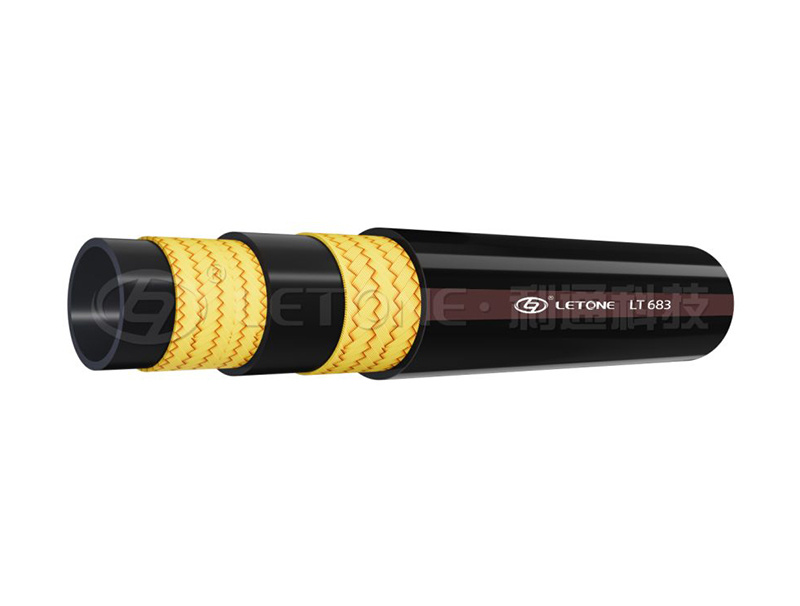
The Essential Role of Wire Braided Rubber Hose Pipes in Modern Architectural Designs
Table of Contents
- Introduction: Understanding Wire Braided Rubber Hose Pipes
- Historical Context of Rubber Hose Pipes in Architecture
- Key Benefits of Wire Braided Rubber Hose Pipes
- Applications in Modern Architectural Designs
- Flexibility and Versatility: A Game Changer
- Environmental Impact and Sustainability
- Installation Considerations for Architects
- Future Trends in Architectural Design with Wire Braided Rubber Hose Pipes
- FAQs About Wire Braided Rubber Hose Pipes
- Conclusion: Embracing Innovation in Architecture
Introduction: Understanding Wire Braided Rubber Hose Pipes
Wire braided rubber hose pipes have emerged as a critical component in contemporary architectural design. These hoses, characterized by their braided wire reinforcement, provide enhanced strength and flexibility, allowing architects to push the boundaries of traditional construction methods. In this article, we delve into the various aspects of wire braided rubber hose pipes, exploring their benefits, applications, and significance in modern architecture.
Historical Context of Rubber Hose Pipes in Architecture
Rubber hoses have been utilized in various industries since the late 19th century, primarily for fluid transfer applications. With advancements in materials science, the introduction of wire braids significantly improved the structural integrity of rubber hoses. Over the decades, these innovations have made their way into architectural applications, where aesthetics and functionality are paramount. As modern architecture evolved, the need for materials that could withstand demanding conditions while offering design flexibility became increasingly evident.
Key Benefits of Wire Braided Rubber Hose Pipes
Wire braided rubber hose pipes provide several advantages that make them suitable for contemporary architecture:
1. Durability and Strength
These hoses are engineered to resist high pressures, making them ideal for various applications. The wire braiding enhances tensile strength, ensuring the hoses can withstand external stresses without compromising their integrity.
2. Flexibility and Adaptability
The flexibility of wire braided rubber hoses allows architects to incorporate them into innovative designs. They can be easily maneuvered around complex structures, ensuring that even the most intricate designs can be realized.
3. Resistance to Environmental Factors
Wire braided rubber hoses are resistant to temperature fluctuations, moisture, and chemical exposure. This resilience ensures their longevity and performance in diverse conditions, making them an excellent choice for both indoor and outdoor applications.
4. Aesthetic Versatility
Available in various colors and finishes, wire braided rubber hose pipes can complement a wide range of architectural styles. Their sleek appearance can enhance the visual appeal of a structure, making them a popular choice among designers.
Applications in Modern Architectural Designs
The versatility of wire braided rubber hose pipes has led to their application in numerous architectural contexts:
1. Plumbing Systems
These hoses are often used in plumbing systems for their ability to handle high-pressure water flow. Their flexible nature allows for easy installation in tight spaces, reducing the risk of leaks.
2. HVAC Systems
In heating, ventilation, and air conditioning systems, wire braided rubber hoses are crucial for connecting various components. Their durability ensures reliable performance, contributing to the overall efficiency of the HVAC system.
3. Decorative Elements
Architects have increasingly embraced wire braided rubber hoses as design elements. Whether used in railings, lighting fixtures, or as part of the building's façade, their aesthetic appeal adds a modern touch to any structure.
4. Outdoor Structures
From patios to garden installations, these hoses can withstand the elements, making them suitable for outdoor applications. Their resistance to UV rays and moisture ensures that they remain functional and visually appealing over time.
Flexibility and Versatility: A Game Changer
The flexibility of wire braided rubber hose pipes is not just a physical attribute; it represents a change in how architects approach design challenges. The adaptability of these hoses allows for:
1. Innovative Design Solutions
Architects can experiment with shapes and configurations that were previously deemed impractical. The ability to bend and shape the hoses enables unique architectural solutions that enhance both functionality and aesthetics.
2. Space Optimization
In urban environments where space is at a premium, wire braided rubber hoses enable compact designs without sacrificing performance. They can be routed through walls and ceilings, minimizing their visual footprint while maximizing utility.
Environmental Impact and Sustainability
As sustainability becomes a key consideration in architectural design, wire braided rubber hose pipes offer several environmentally friendly advantages:
1. Longevity and Reduced Waste
The durability of these hoses translates to a longer lifespan, which means less frequent replacements and reduced waste. This aligns with the principles of sustainable architecture.
2. Low Environmental Impact Materials
Many manufacturers focus on producing rubber hoses using environmentally friendly processes. This commitment to sustainability helps architects choose materials that align with their ecological goals.
Installation Considerations for Architects
When incorporating wire braided rubber hose pipes into architectural designs, several installation considerations must be kept in mind:
1. Compatibility with Existing Systems
Ensuring compatibility with existing plumbing or HVAC systems is essential for seamless integration. Architects should collaborate with engineers to assess compatibility.
2. Proper Handling and Storage
To maintain the integrity of the hoses, proper handling and storage practices are crucial. Architects should educate their teams on best practices to avoid damage during installation.
3. Compliance with Building Codes
Local building codes and regulations must be considered when using wire braided rubber hoses. Architects should ensure that their designs meet all safety and compliance standards.
Future Trends in Architectural Design with Wire Braided Rubber Hose Pipes
As architectural practices continue to evolve, wire braided rubber hose pipes will likely play an increasingly significant role:
1. Smart Building Integrations
The integration of smart technologies in building designs may lead to innovative applications for wire braided rubber hoses. These hoses could be used in automated systems, enhancing efficiency and functionality.
2. Innovative Aesthetic Applications
As design trends shift towards more organic and fluid forms, wire braided rubber hoses will be instrumental in achieving these looks. Their flexible nature allows for creative expression in architectural aesthetics.
3. Research and Development
Continued research into advanced materials and manufacturing techniques will likely yield even more innovative uses for wire braided rubber hoses. Architects can expect the emergence of new products that enhance design possibilities.
FAQs About Wire Braided Rubber Hose Pipes
1. What are wire braided rubber hose pipes made of?
Wire braided rubber hose pipes are typically made from a combination of rubber and metal wires. The rubber provides flexibility and durability, while the wire reinforcement enhances strength.
2. How are wire braided rubber hoses used in construction?
They are used in plumbing, HVAC systems, and as decorative elements in architectural designs due to their durability, flexibility, and aesthetic appeal.
3. Do wire braided rubber hoses require special maintenance?
While they are durable, it is essential to inspect them regularly for signs of wear or damage. Proper installation and handling are crucial for their longevity.
4. Can wire braided rubber hoses be used outdoors?
Yes, they are resistant to environmental factors like UV rays and moisture, making them suitable for various outdoor applications.
5. What are the environmental benefits of using wire braided rubber hose pipes?
Their longevity reduces waste, and many manufacturers focus on eco-friendly production processes, aligning with sustainable architectural practices.
Conclusion: Embracing Innovation in Architecture
Wire braided rubber hose pipes are more than just functional components; they represent a shift in the way architects conceive and execute their designs. The durability, flexibility, and aesthetic versatility of these hoses open up new possibilities in modern architectural design. As the industry continues to evolve, embracing innovative materials like wire braided rubber hose pipes will be crucial for creating sustainable, functional, and visually stunning structures. The future of architecture is not just about building; it’s about building smart, sustainable, and innovative solutions that meet the needs of society.
Contact Us
E-mail :
admin@lionflex.cn
Mobile:
+86-15921166698
Address:
Hangzhou Xiaoshan District Heshang Town Daqiao Industrial Zone

Mobile: +86-15921166698
website: www.lion-hydraulic.com
Adress: Hangzhou Xiaoshan District Heshang Town Daqiao Industrial Zone

Request Quote