Provide high-quality standard hydraulic component products to global customers.

Choosing the Right High Impulse Braided Hydraulic Hose: Your Ultimate Guide
Mar 05,2026
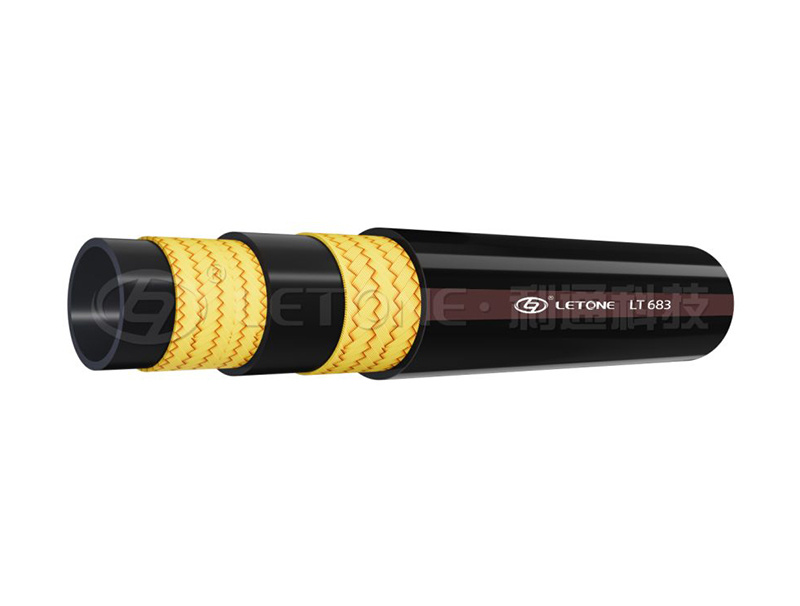
Choosing the Right High Impulse Braided Hydraulic Hose for Your Needs
Table of Contents
- Introduction to High Impulse Braided Hydraulic Hoses
- Understanding Hydraulic Hoses: Types and Applications
- Key Features of High Impulse Braided Hydraulic Hoses
- Factors to Consider When Choosing a Hydraulic Hose
- Common Applications for High Impulse Braided Hydraulic Hoses
- Installation and Maintenance Tips for Hydraulic Hoses
- Frequently Asked Questions
- Conclusion: Making the Right Choice
Introduction to High Impulse Braided Hydraulic Hoses
In the industrial sector, hydraulic systems are integral to various applications, from construction machinery to manufacturing processes. The **high impulse braided hydraulic hose** plays a crucial role in these systems, delivering hydraulic fluids under high pressure. Understanding how to choose the right hose is essential for optimizing performance and ensuring safety.
This guide aims to equip you with the knowledge needed to select the right hydraulic hose, considering factors such as pressure ratings, temperature resistance, and compatibility with hydraulic fluids.
Understanding Hydraulic Hoses: Types and Applications
Hydraulic hoses can be categorized into several types, each designed for specific applications.
1. Rubber Hydraulic Hoses
Rubber hoses are widely used due to their flexibility and resistance to wear and tear. They are suitable for low to medium-pressure applications.
2. Thermoplastic Hydraulic Hoses
These hoses are lightweight and offer excellent resistance to chemicals and abrasion. They are ideal for applications requiring high flexibility.
3. Metal Hose
Metal hoses are used in high-temperature and high-pressure applications. They offer durability and resistance to corrosion.
4. Braided Hydraulic Hoses
Braided hoses incorporate multiple layers of reinforcement, making them suitable for high-pressure applications. They are often used in mobile equipment and industrial machinery.
Key Features of High Impulse Braided Hydraulic Hoses
High impulse braided hydraulic hoses are characterized by specific features that enhance their performance and safety.
1. High Pressure Ratings
These hoses are designed to withstand high pressure, making them ideal for demanding applications.
2. Reinforcement Layers
The braided construction provides additional strength, ensuring durability and reducing the risk of failure during operation.
3. Temperature Resistance
High impulse braided hoses can operate effectively in a wide range of temperatures, making them suitable for various environments.
4. Chemical Compatibility
They are often resistant to a range of hydraulic fluids, ensuring longevity and reliability.
Factors to Consider When Choosing a Hydraulic Hose
Selecting the right hydraulic hose involves evaluating several crucial factors.
1. Pressure Requirements
Assess the pressure levels your hydraulic system will encounter. Ensure the hose you choose can handle these pressures safely.
2. Temperature Range
Consider the operating temperature of your hydraulic system. Select a hose that can maintain performance under these conditions.
3. Fluid Compatibility
Ensure the hose material is compatible with the hydraulic fluid you plan to use. This compatibility prevents degradation and extends the life of the hose.
4. Size and Length
Measure the required hose length and diameter carefully. A proper fit is essential for maintaining pressure and flow rates.
5. Bend Radius
Check the minimum bend radius to avoid damaging the hose during installation or operation.
6. Regulatory Standards
Ensure that the hose meets industry and safety standards, enhancing reliability and compliance.
Common Applications for High Impulse Braided Hydraulic Hoses
High impulse braided hydraulic hoses are used in various applications across different industries.
1. Construction Equipment
In construction, hydraulic hoses are critical for operating excavators, bulldozers, and other heavy machinery.
2. Agricultural Machinery
Agricultural equipment such as tractors and harvesters relies on hydraulic hoses for efficient operation.
3. Manufacturing Processes
In manufacturing, hydraulic systems are essential for machinery that requires precise control and power.
4. Automotive Applications
Hydraulic hoses are commonly used in automotive systems for braking, steering, and lifting.
Installation and Maintenance Tips for Hydraulic Hoses
Proper installation and maintenance of hydraulic hoses are crucial for ensuring optimal performance and longevity.
1. Correct Installation Techniques
Ensure hoses are installed without twists or kinks to maintain integrity and flow.
2. Regular Inspections
Perform routine inspections for signs of wear, leaks, or damage. Early detection can prevent costly failures.
3. Proper Storage
Store hoses in a safe environment, away from sunlight and chemicals that could degrade the material.
4. Replacement Frequency
Monitor the age and condition of hoses and replace them according to the manufacturer’s recommendations.
Frequently Asked Questions
1. What is the difference between low and high impulse hydraulic hoses?
Low impulse hoses are designed for applications with moderate pressure, while high impulse hoses can withstand significantly higher pressures, making them suitable for more demanding tasks.
2. How do I determine the right size of hydraulic hose for my system?
Measure the existing hose or refer to the hydraulic system specifications to determine the appropriate diameter and length.
3. Can I use any hydraulic fluid with my high impulse braided hose?
No, it’s essential to select a hydraulic fluid that is compatible with the hose material to prevent degradation and ensure safety.
4. What are the signs that my hydraulic hose needs to be replaced?
Look for visible damage, leaks, bulging, or significant wear. If you notice any of these signs, it’s time to replace the hose.
5. How often should I inspect my hydraulic hoses?
Regular inspections should be conducted at least once a month, with more frequent checks recommended for high-use applications.
Conclusion: Making the Right Choice
Choosing the right high impulse braided hydraulic hose is crucial for the performance and safety of your hydraulic systems. By understanding the various types of hoses, their features, and the factors to consider when selecting one, you can make an informed decision that enhances efficiency and reliability. Regular maintenance and proper installation further ensure your hydraulic systems operate at optimal levels, reducing the risk of failures and costly downtimes. Always prioritize quality and compatibility to ensure the longevity of your hydraulic components.
Contact Us
E-mail :
admin@lionflex.cn
Mobile:
+86-15921166698
Address:
Hangzhou Xiaoshan District Heshang Town Daqiao Industrial Zone

Mobile: +86-15921166698
website: www.lion-hydraulic.com
Adress: Hangzhou Xiaoshan District Heshang Town Daqiao Industrial Zone

Request Quote