Provide high-quality standard hydraulic component products to global customers.

The Cost-Benefit Analysis of Upgrading Your Furnace Coolant Hose
Mar 15,2026
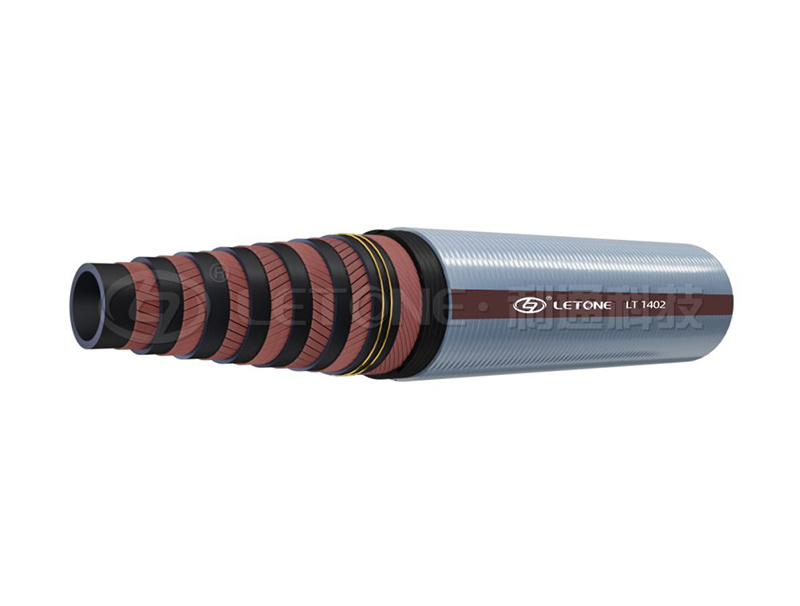
The Comprehensive Cost-Benefit Analysis of Upgrading Your Furnace Coolant Hose
When it comes to maintaining and enhancing the efficiency of your heating system, one component often overlooked is the **furnace coolant hose**. Upgrading this essential part can lead to significant improvements in performance, efficiency, and longevity of your heating system. In this article, we will conduct a detailed cost-benefit analysis of upgrading your furnace coolant hose, assessing both the immediate costs and the long-term advantages.
Understanding the Role of the Furnace Coolant Hose
The **furnace coolant hose** plays a crucial role in the operation of your heating system. It is responsible for transporting coolant between the furnace and the heat exchanger, ensuring efficient heat transfer and maintaining optimal operating temperatures. Over time, these hoses can wear out due to exposure to high temperatures, pressure, and environmental factors, leading to leaks and reduced performance.
Factors Affecting the Lifespan of Furnace Coolant Hoses
Several factors can influence the lifespan of your furnace coolant hose, including:
- **Material Quality**: Hoses made from high-quality materials tend to last longer.
- **Operating Conditions**: High-pressure and high-temperature environments can accelerate wear.
- **Installation Quality**: Proper installation can prevent premature failure.
- **Environmental Exposure**: Hoses exposed to harsh chemicals or extreme weather conditions may degrade faster.
Initial Costs of Upgrading Your Furnace Coolant Hose
When considering an upgrade, it’s essential to analyze the initial costs involved. This includes the price of the new hose, labor costs for installation, and any necessary tools or additional materials.
Cost Breakdown of Furnace Coolant Hose Upgrade
- **Material Costs**: Depending on the type of hose you choose, prices can range from $50 to $200. Consider options such as silicone or reinforced rubber hoses, which offer enhanced durability.
- **Labor Costs**: Hiring a professional for installation may cost between $100 and $300. However, attempting a DIY installation can save on labor costs if done correctly.
- **Additional Materials**: Don’t forget to factor in the cost of clamps, fittings, or other accessories that might be needed during installation.
Long-Term Benefits of Upgrading Your Furnace Coolant Hose
While the initial investment may seem steep, the long-term benefits of upgrading your furnace coolant hose can far outweigh the costs.
Enhanced Efficiency and Performance
Upgrading to a high-quality coolant hose can significantly improve your heating system's efficiency. A well-functioning hose reduces the risk of leaks, ensuring that the furnace operates within its optimal temperature range. This translates to better heat distribution throughout your home.
Reduced Maintenance Costs
Old or damaged hoses can lead to leaks, which may result in costly repairs and increased maintenance expenses. By replacing your coolant hose proactively, you avoid unexpected breakdowns and service calls, ultimately saving money in the long run.
Improved Energy Efficiency
A new coolant hose can enhance the overall energy efficiency of your heating system. Efficient heat transfer means the furnace works less to maintain the desired temperature, leading to lower energy bills. Homeowners can typically expect a reduction in energy costs ranging from 5% to 15% after upgrading.
Increased Lifespan of Heating System
Investing in quality components, such as a new furnace coolant hose, can extend the lifespan of your heating system. By preventing leaks and ensuring optimal performance, you reduce the risk of more significant issues arising, thereby prolonging the overall life of your furnace.
Environmental Considerations
Upgrading your furnace coolant hose is not just a cost-saving measure; it also has positive implications for the environment. More efficient heating systems consume less energy, ultimately reducing the carbon footprint associated with home heating.
Choosing the Right Furnace Coolant Hose
Selecting the right hose is crucial to maximizing the benefits of your upgrade. Consider the following factors:
- **Material**: Look for hoses made from durable materials that can withstand high temperatures and pressures.
- **Compatibility**: Ensure the hose is compatible with your specific furnace model.
- **Warranty**: A good warranty can provide peace of mind in case of defects or issues.
Case Studies: Real-Life Examples of Upgrading Furnace Coolant Hoses
To illustrate the benefits of upgrading, let’s look at some real-life case studies:
Case Study 1: Residential Heating System
A homeowner in a cold climate experienced frequent issues with their heating system. After upgrading the coolant hose, they reported a 10% reduction in heating costs and noted that the furnace operated more quietly and efficiently.
Case Study 2: Commercial Heating System
A small business upgraded their coolant hose as part of routine maintenance. The business not only saved on maintenance costs but also experienced a notable increase in employee comfort during winter months, leading to higher productivity.
Common Concerns About Upgrading Your Furnace Coolant Hose
It's natural to have concerns when considering an upgrade. Here are some common questions and their answers:
Will upgrading my coolant hose void my warranty?
Generally, upgrading a coolant hose with a compatible, high-quality product should not void your warranty. However, it's essential to consult your furnace's warranty guidelines.
How often should I replace my coolant hose?
Typically, coolant hoses should be inspected annually and replaced every 5 to 10 years, depending on wear and environmental conditions.
Can I upgrade my coolant hose myself?
If you have experience with HVAC systems and plumbing, a DIY upgrade is possible. However, for optimal results and to avoid potential issues, hiring a professional is recommended.
What signs indicate that my coolant hose needs replacement?
Common signs include visible wear, cracks, leaks, or a decrease in heating efficiency.
Is the investment in a new coolant hose worth it?
Yes, the benefits of improved efficiency, reduced maintenance costs, and increased lifespan of the heating system typically outweigh the initial investment.
Conclusion
Upgrading your furnace coolant hose is a strategic investment that can yield significant benefits over time. From enhanced efficiency and performance to reduced maintenance costs and a lower environmental impact, the advantages are clear. By conducting a thorough cost-benefit analysis, homeowners and businesses can make informed decisions that lead to improved heating system performance and long-term savings.
Investing in a new furnace coolant hose not only protects your heating system but also contributes to a more sustainable and energy-efficient home or business. We encourage you to consider this upgrade as a proactive measure in maintaining your heating infrastructure for years to come.
Contact Us
E-mail :
admin@lionflex.cn
Mobile:
+86-15921166698
Address:
Hangzhou Xiaoshan District Heshang Town Daqiao Industrial Zone

Mobile: +86-15921166698
website: www.lion-hydraulic.com
Adress: Hangzhou Xiaoshan District Heshang Town Daqiao Industrial Zone

Request Quote