Provide high-quality standard hydraulic component products to global customers.

Common Myths About Furnace Coolant Hoses Debunked
May 04,2026
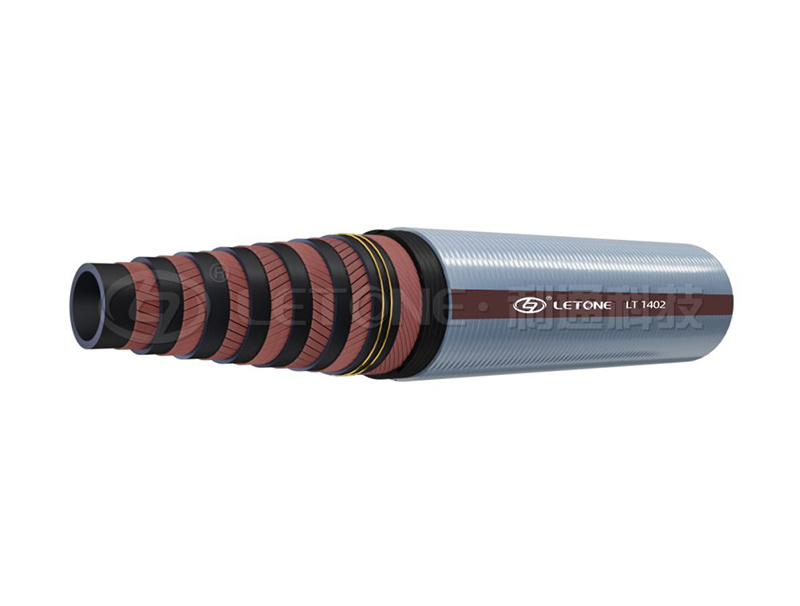
Common Myths About Furnace Coolant Hoses Debunked
When it comes to heating systems, the importance of furnace coolant hoses cannot be overstated. Often overlooked, these components play a crucial role in ensuring your furnace operates efficiently. However, several myths surrounding these hoses can lead to misunderstandings and mismanagement. In this article, we will debunk common misconceptions about furnace coolant hoses, providing you with the accurate information you need.
Table of Contents
- Myth 1: Furnace Coolant Hoses Are Optional
- Myth 2: All Hoses Are the Same
- Myth 3: Coolant Hoses Never Need Replacement
- Myth 4: Damage to Coolant Hoses Is Always Obvious
- Myth 5: You Can Use Any Fluid in Coolant Hoses
- Myth 6: Installing Coolant Hoses Is a DIY Job
- Myth 7: Coolant Hoses Don’t Affect Overall Efficiency
- Myth 8: Coolant Leaks Are Harmless
- Conclusion
- Frequently Asked Questions
Myth 1: Furnace Coolant Hoses Are Optional
One of the most dangerous myths is the belief that furnace coolant hoses are optional components. In reality, these hoses are integral to the operation of a furnace. They transport coolant through the system, ensuring that heat is effectively distributed throughout your home. Without properly functioning coolant hoses, your heating system may face severe operational issues, leading to inefficient heating or even complete failure.
Myth 2: All Hoses Are the Same
Another misconception is that all furnace coolant hoses are interchangeable. This is far from the truth. Different heating systems require specific types of hoses designed to withstand varying pressures and temperatures. Using the wrong type of hose can lead to leaks, ruptures, and potentially catastrophic failures. It’s essential to refer to your furnace’s manual or consult with a professional to ensure you select the right hoses for your system.
Myth 3: Coolant Hoses Never Need Replacement
Many homeowners mistakenly believe that coolant hoses are permanent fixtures that never require replacement. In fact, hoses can deteriorate over time due to heat, pressure, and exposure to various elements. Regular inspections are crucial to identify signs of wear and tear. Replacing coolant hoses at the first sign of damage can save you from more costly repairs down the line and ensure your heating system remains efficient.
Myth 4: Damage to Coolant Hoses Is Always Obvious
Some people assume that visible damage, such as cracks or leaks, is the only indicator that coolant hoses need replacement. However, many issues can exist beneath the surface, including internal degradation that isn’t immediately visible. Routine maintenance is vital for catching these problems early. A professional inspection can help identify less obvious signs of damage before they escalate into major issues.
Myth 5: You Can Use Any Fluid in Coolant Hoses
Another significant myth is that any type of fluid can be used within coolant hoses. Each heating system is designed to work with specific coolants that have defined chemical properties. Using the incorrect fluid can lead to hose degradation, reduced efficiency, and potential system failure. Always consult your system’s manual or a professional to ensure you are using the appropriate coolant for your furnace.
Myth 6: Installing Coolant Hoses Is a DIY Job
While some homeowners may feel capable of tackling the installation of coolant hoses themselves, this task is best left to professionals. Incorrect installation can lead to leaks, reduced efficiency, and serious safety hazards. A certified technician has the expertise to ensure that hoses are installed correctly, providing peace of mind and optimal performance from your heating system.
Myth 7: Coolant Hoses Don’t Affect Overall Efficiency
This myth suggests that coolant hoses are merely a secondary concern when it comes to furnace efficiency. In truth, the condition and quality of coolant hoses significantly influence the overall efficiency of your heating system. Damaged or poorly fitted hoses can restrict the flow of coolant, causing your furnace to work harder and consume more energy. Keeping hoses in top condition is essential for maintaining optimal efficiency and reducing energy costs.
Myth 8: Coolant Leaks Are Harmless
Some homeowners may underestimate the seriousness of coolant leaks, believing they are a minor nuisance. In reality, coolant leaks can lead to major problems, including reduced heating efficiency and potential damage to other components of the furnace. Left unchecked, these leaks can result in costly repairs and safety hazards. Addressing any leaks immediately with professional help is crucial to maintaining a safe and efficient heating system.
Conclusion
Understanding the truth about furnace coolant hoses is essential for ensuring the efficiency and safety of your heating system. By debunking these common myths, we hope to empower homeowners to make informed decisions regarding their furnace maintenance. Regular maintenance, professional inspections, and using the correct parts are vital for keeping your heating system running smoothly. Don’t let misconceptions compromise your home’s comfort during the colder months.
Frequently Asked Questions
1. How often should I inspect my furnace coolant hoses?
It is advisable to inspect your furnace coolant hoses at least once a year during your regular maintenance check. This will help identify any signs of wear or potential issues before they escalate.
2. What are the signs that my coolant hoses need to be replaced?
Signs that your coolant hoses may need replacement include visible cracks, leaks, bulging, or any unusual noises from the furnace. If you notice any of these signs, it's best to consult a professional.
3. Can I use aftermarket coolant hoses?
While aftermarket hoses may be available, it’s crucial to ensure they meet the specifications required by your furnace. Always consult with a professional or refer to the manufacturer’s guidelines before making a purchase.
4. What type of coolant is recommended for my furnace?
The type of coolant recommended for your furnace is typically outlined in the furnace’s manual. Always use the specified coolant to avoid damage and maintain system efficiency.
5. Are there any DIY maintenance tips for furnace coolant hoses?
While professional help is recommended for installation and major repairs, homeowners can perform simple maintenance tasks like checking for visible signs of wear or ensuring that clamps are secure. However, always consult a professional for thorough inspections and repairs.
Contact Us
E-mail :
admin@lionflex.cn
Mobile:
+86-15921166698
Address:
Hangzhou Xiaoshan District Heshang Town Daqiao Industrial Zone

Mobile: +86-15921166698
website: www.lion-hydraulic.com
Adress: Hangzhou Xiaoshan District Heshang Town Daqiao Industrial Zone

Request Quote