Provide high-quality standard hydraulic component products to global customers.

How to Choose the Right Wire Braided Rubber Hose Pipe for Your Project
May 14,2026
How to Choose the Right Wire Braided Rubber Hose Pipe for Your Project
Table of Contents
1. Understanding Wire Braided Rubber Hose Pipes
2. Key Applications of Wire Braided Rubber Hose Pipes
3. Factors to Consider When Choosing Wire Braided Rubber Hose Pipes
3.1. Working Pressure Requirements
3.2. Temperature Resistance
3.3. Fluid Compatibility
3.4. Hose Length and Diameter
3.5. Environmental Conditions
3.6. Regulatory Standards and Certifications
4. Types of Wire Braided Rubber Hose Pipes
5. Installation Best Practices
6. Maintenance Tips for Longevity
7. Troubleshooting Common Issues
8. Frequently Asked Questions (FAQs)
9. Conclusion
1. Understanding Wire Braided Rubber Hose Pipes
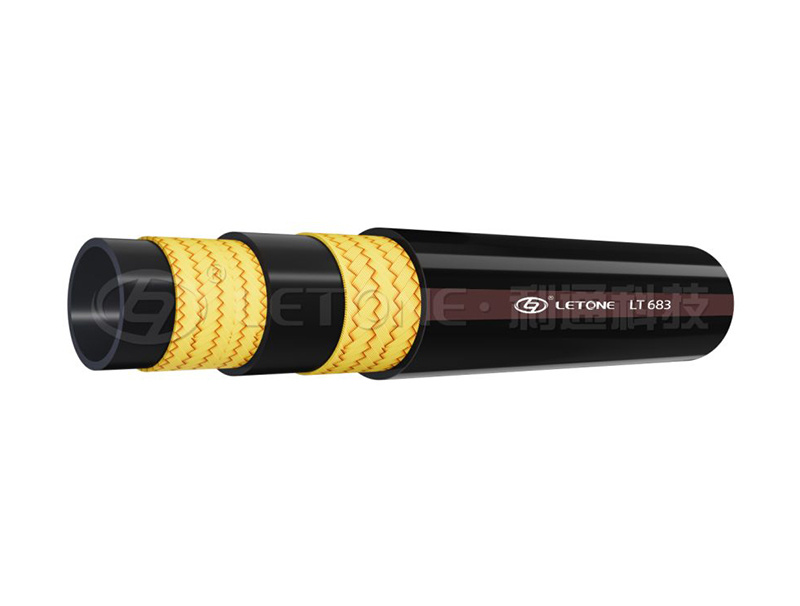
Wire braided rubber hose pipes are a vital component in various industrial applications. They consist of a rubber inner layer reinforced with braided wire, providing enhanced strength and flexibility. This design allows them to withstand high pressures and temperatures, making them suitable for a wide range of fluids and gases in different environments. Understanding the basics of these hoses will help you make an informed decision for your project.
2. Key Applications of Wire Braided Rubber Hose Pipes
Wire braided rubber hoses are widely used in multiple sectors, including construction, automotive, manufacturing, and agriculture. Their versatility makes them ideal for applications such as:
- Hydraulic systems
- Air and water transfer
- Fuel and oil lines
- Chemical processing
- Pneumatic machinery
When selecting a hose for your project, it's essential to consider its intended application to ensure optimal performance and safety.
3. Factors to Consider When Choosing Wire Braided Rubber Hose Pipes
Choosing the right wire braided rubber hose pipe involves several critical factors. Understanding each of these aspects will help you select a hose that meets your specific requirements.
3.1. Working Pressure Requirements
The working pressure is a crucial factor in hose selection. It refers to the maximum pressure the hose can handle during regular operation. Always select a hose with a working pressure rating that exceeds the maximum pressure your application will encounter. This ensures safety and longevity.
3.2. Temperature Resistance
Temperature plays a significant role in the performance of wire braided rubber hoses. Different materials have varying temperature tolerances. For instance, if your application involves extreme heat or cold, ensure that your selected hose can withstand those temperatures without compromising integrity.
3.3. Fluid Compatibility
Not all rubber hoses are compatible with every fluid. Chemical compatibility is essential to prevent degradation of the hose material. Be sure to check the manufacturer's specifications and ensure the hose is suitable for the fluids it will transport.
3.4. Hose Length and Diameter
The length and diameter of the hose should be appropriate for your project. A hose that is too long may lead to pressure drops, while one that is too short may not reach the needed connections. Additionally, the diameter should match the flow requirements of your application.
3.5. Environmental Conditions
Consider the environmental factors the hose will be exposed to, such as UV light, ozone, and chemicals. Some hoses come with protective coatings or additives to enhance their resistance to these conditions, prolonging their service life.
3.6. Regulatory Standards and Certifications
Ensure that the wire braided rubber hose you select complies with relevant industry standards and certifications. This is particularly important in sectors like food processing, pharmaceuticals, and automotive, where safety regulations are stringent.
4. Types of Wire Braided Rubber Hose Pipes
There are various types of wire braided rubber hoses available on the market, each designed for specific applications. Some common types include:
- **Single wire braided hoses**: Suitable for moderate pressure applications.
- **Double wire braided hoses**: Designed for high-pressure applications, providing enhanced strength.
- **Multi-layered hoses**: These offer additional protection against external damage and environmental factors.
Understanding the differences between these types will aid you in selecting the most appropriate hose for your needs.
5. Installation Best Practices
Proper installation of wire braided rubber hoses is essential for their performance and durability. Follow these best practices:
1. **Inspect the hose**: Check for any visible damage or defects before installation.
2. **Use proper fittings**: Ensure that the fittings match the hose diameter and type for a secure connection.
3. **Avoid sharp bends**: Ensure the hose is installed with gentle curves to prevent kinks and pressure drops.
4. **Secure mounting**: Use appropriate clamps and supports to prevent movement and abrasion.
Following these practices will help prevent future issues and extend the life of your hose.
6. Maintenance Tips for Longevity
Regular maintenance is key to ensuring the longevity of wire braided rubber hoses. Here are some tips:
- **Regular inspections**: Check hoses for wear, cracks, or leaks.
- **Clean regularly**: Keep hoses free from debris and chemicals that can cause degradation.
- **Store properly**: When not in use, store hoses in a cool, dry place away from direct sunlight.
- **Avoid exceeding limits**: Always adhere to the specified pressure and temperature limits to prevent premature failure.
These maintenance practices will help keep your hoses in optimal condition.
7. Troubleshooting Common Issues
Even with proper selection and maintenance, issues may arise. Here are some common problems and their solutions:
- **Leakage**: Check fittings and connections for tightness. Replace any damaged sections of the hose.
- **Kinks and bends**: Avoid sharp turns during installation. If kinks occur, replace the affected section.
- **Degradation**: If the hose shows signs of wear, replace it immediately to prevent failure.
Being proactive in troubleshooting can save you time and costly repairs.
8. Frequently Asked Questions (FAQs)
**Q1: What is the lifespan of a wire braided rubber hose?**
A: The lifespan can vary based on usage and environmental factors, but with proper maintenance, they often last several years.
**Q2: Can I use a wire braided rubber hose for high-temperature fluids?**
A: Yes, but ensure the hose is rated for the specific temperature range of your application.
**Q3: How do I determine the right diameter for my hose?**
A: Calculate the flow rate needed for your application and select a diameter that will accommodate it without causing pressure drops.
**Q4: Are all wire braided hoses suitable for chemical applications?**
A: No, always verify chemical compatibility with the manufacturer before use.
**Q5: What should I do if my hose starts to leak?**
A: Inspect the fittings and hose for damage. If necessary, tighten or replace the affected area immediately.
9. Conclusion
Selecting the right wire braided rubber hose pipe involves understanding your specific project requirements and considering critical factors such as working pressure, temperature resistance, and fluid compatibility. By following the guidelines provided in this article, you can ensure that you choose the best hose for your needs, leading to optimal performance and safety in your applications. Regular maintenance and proper installation practices will further enhance the longevity and reliability of your hose. Invest the time to make informed decisions, and your projects will benefit greatly from the right hose selection.
Contact Us
E-mail :
admin@lionflex.cn
Mobile:
+86-15921166698
Address:
Hangzhou Xiaoshan District Heshang Town Daqiao Industrial Zone

Mobile: +86-15921166698
website: www.lion-hydraulic.com
Adress: Hangzhou Xiaoshan District Heshang Town Daqiao Industrial Zone

Request Quote