Provide high-quality standard hydraulic component products to global customers.

Exploring the Applications of High Impulse Braided Hydraulic Hoses in Industry
Jun 13,2026
Exploring the Applications of High Impulse Braided Hydraulic Hoses in Industry
Table of Contents
- Introduction to High Impulse Braided Hydraulic Hoses
- Understanding Hydraulic Hoses and Their Importance
- What is a High Impulse Braided Hydraulic Hose?
- Construction Features of High Impulse Braided Hydraulic Hoses
- Benefits of High Impulse Braided Hydraulic Hoses in Industry
- Industrial Applications of High Impulse Braided Hydraulic Hoses
- Safety Considerations When Using High Impulse Hoses
- Maintenance Tips for Hydraulic Hoses
- Frequently Asked Questions
- Conclusion
Introduction to High Impulse Braided Hydraulic Hoses
High impulse braided hydraulic hoses have become an integral component in various industrial sectors due to their ability to withstand extreme pressures and temperatures. As industries evolve, the demand for robust, reliable hydraulic systems has increased significantly. These hoses play a pivotal role in facilitating the efficient transfer of hydraulic fluids, making them essential for machinery and equipment operation.
Understanding Hydraulic Hoses and Their Importance
Hydraulic hoses are flexible tubes designed to carry fluids under pressure. They are vital for hydraulic systems, which convert mechanical energy into fluid energy and vice versa. Depending on their application, these hoses must be capable of handling specific pressures and temperatures, thus ensuring operational efficiency and safety.
Types of Hydraulic Hoses
There are several types of hydraulic hoses available, each designed for specific applications, including:
- **Low-pressure hoses**
- **Medium-pressure hoses**
- **High-pressure hoses**
- **High impulse hoses**
High impulse hoses are specifically engineered to handle higher pressure fluctuations and surges, making them suitable for demanding applications.
What is a High Impulse Braided Hydraulic Hose?
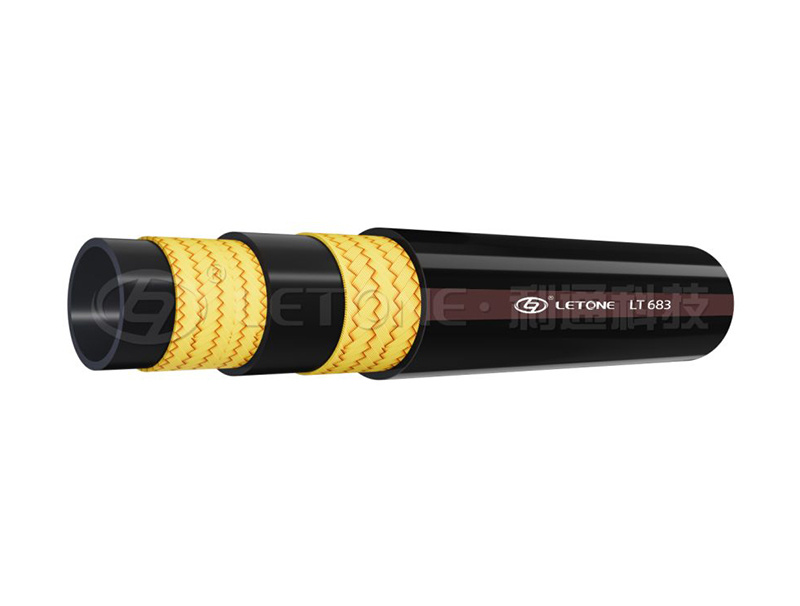
A high impulse braided hydraulic hose is structured with multiple layers, typically including a synthetic rubber inner tube, a braided reinforcement layer, and an outer cover. This construction allows for optimal flexibility, durability, and resistance to wear and tear.
Key Characteristics
- **High-pressure resistance:** These hoses can typically withstand pressures that exceed 10,000 PSI.
- **Durability:** Made from high-quality materials that resist abrasion, ozone, and extreme temperatures.
- **Flexibility:** Their design allows for easy handling, installation, and routing.
Construction Features of High Impulse Braided Hydraulic Hoses
The construction of high impulse braided hydraulic hoses is critical to their performance. Key features include:
Layered Design
The hose consists of multiple layers:
- **Inner Layer:** Made from a synthetic rubber compound, this layer is crucial for fluid containment.
- **Reinforcement Layer:** Typically made from high-strength steel wire or synthetic fibers, this layer provides the necessary strength to resist high-pressure applications.
- **Outer Layer:** This protective layer is designed to resist environmental factors such as UV rays, oil, and abrasion.
Specifications and Standards
High impulse braided hydraulic hoses are manufactured according to international standards, including SAE, ISO, and DIN specifications. This ensures that they meet industry requirements for quality and performance.
Benefits of High Impulse Braided Hydraulic Hoses in Industry
The benefits of using high impulse braided hydraulic hoses in various applications are numerous:
1. Enhanced Safety
These hoses are designed to prevent leaks and failures, drastically reducing the risk of accidents caused by high-pressure hydraulic fluid release.
2. Increased Efficiency
High impulse hoses maintain consistent performance under pressure, which translates to improved machinery efficiency and productivity.
3. Versatility
These hoses can be used in a wide range of applications, from construction and manufacturing to agriculture and mining.
4. Cost-Effectiveness
While the initial investment may be higher than standard hoses, their durability and longevity result in lower maintenance and replacement costs over time.
5. Resistance to Environmental Factors
The protective outer layer resists abrasions, ozone damage, and extreme temperatures, ensuring longevity and reliability.
Industrial Applications of High Impulse Braided Hydraulic Hoses
High impulse braided hydraulic hoses find applications in various industries, including:
1. Construction Industry
In construction, these hoses are used in hydraulic equipment such as excavators, loaders, and cranes, where high-pressure hydraulic systems are essential for operation.
2. Manufacturing Sector
Manufacturing processes often involve hydraulics for powering machinery, robotic arms, and conveyor systems, where reliability is paramount.
3. Agricultural Equipment
High impulse hoses are essential in agricultural machinery, including tractors and harvesters, where hydraulic systems are used for various tasks like lifting and steering.
4. Mining and Oil & Gas Industry
In mining and the oil & gas sector, these hoses are crucial for drilling operations, where they withstand harsh environments and high-pressure requirements.
5. Marine Applications
Marine vessels rely on high impulse hoses for hydraulic systems in steering, stabilizing, and equipment operation.
Safety Considerations When Using High Impulse Hoses
When working with high impulse braided hydraulic hoses, safety is paramount. Here are several considerations to ensure safe operation:
1. Regular Inspections
Routine inspections can identify signs of wear, abrasion, or leakage, which should be addressed immediately to prevent accidents.
2. Proper Installation
Ensure that hoses are installed according to manufacturer guidelines. Incorrect installation can lead to premature failure.
3. Usage Within Specifications
Always use hoses within their specified pressure and temperature limits to avoid catastrophic failure.
4. Training and Awareness
Ensure all personnel handling hydraulic systems are adequately trained in safety protocols and emergency procedures.
Maintenance Tips for Hydraulic Hoses
Maintaining high impulse braided hydraulic hoses is essential for ensuring longevity and reliability. Here are some tips:
1. Clean Regularly
Keep hoses clean from dirt, grease, and oil, which can lead to contamination and damage.
2. Store Properly
When not in use, store hoses in a cool, dry place to prevent damage from environmental factors.
3. Replace as Needed
If any signs of wear or damage are detected, replace the hose immediately to avoid failures.
4. Monitor Performance
Regularly monitor the performance of hydraulic systems to identify potential issues early on.
Frequently Asked Questions
1. What is the difference between standard hydraulic hoses and high impulse braided hydraulic hoses?
High impulse braided hoses are specifically designed to handle higher pressures and fluctuating impulse conditions, making them suitable for demanding applications compared to standard hoses.
2. How often should hydraulic hoses be replaced?
The replacement frequency depends on the hose's usage, environment, and manufacturer recommendations. Regular inspections can help determine when a hose should be replaced.
3. Can high impulse hoses be repaired?
While minor issues may be repaired, it is often safer and more cost-effective to replace damaged hoses, especially in high-pressure applications.
4. Are high impulse braided hoses suitable for all fluids?
Always check the manufacturer's specifications to ensure the hose material is compatible with the fluid being transported.
5. What are the common causes of hydraulic hose failure?
Common causes include excessive pressure, abrasion, improper installation, and exposure to harsh environmental conditions.
Conclusion
High impulse braided hydraulic hoses are indispensable components in various industrial applications, providing enhanced safety, efficiency, and durability. Their robust construction makes them suitable for high-pressure and challenging environments. Regular maintenance and adherence to safety protocols ensure these hoses function optimally, contributing to the overall efficiency and safety of hydraulic systems. As industries continue to evolve, the reliance on such reliable components will only grow, underscoring their importance in modern industrial applications.
Contact Us
E-mail :
admin@lionflex.cn
Mobile:
+86-15921166698
Address:
Hangzhou Xiaoshan District Heshang Town Daqiao Industrial Zone

Mobile: +86-15921166698
website: www.lion-hydraulic.com
Adress: Hangzhou Xiaoshan District Heshang Town Daqiao Industrial Zone

Request Quote