Provide high-quality standard hydraulic component products to global customers.

How to Properly Dispose of Old Furnace Coolant Hoses: A Comprehensive Guide
Jun 23,2026
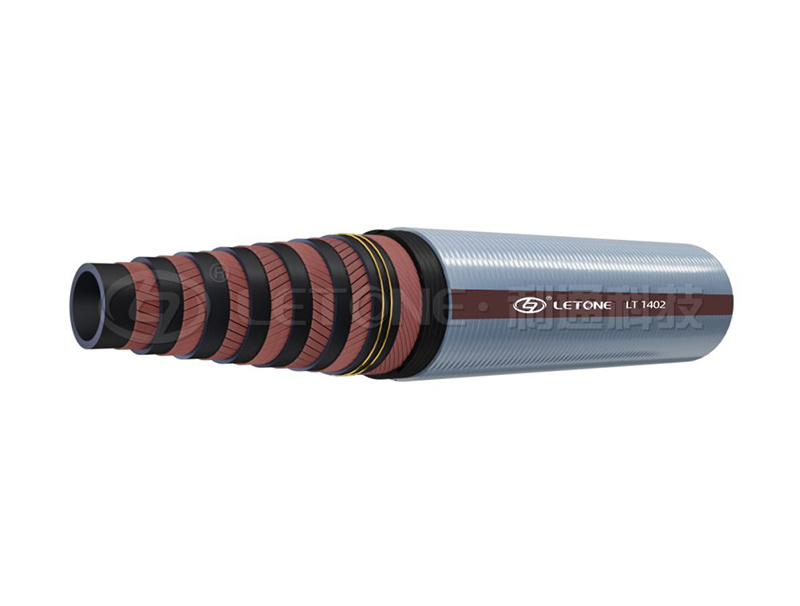
How to Properly Dispose of Old Furnace Coolant Hoses: A Comprehensive Guide
Table of Contents
- Introduction to Furnace Coolant Hoses
- Understanding the Materials of Coolant Hoses
- Environmental Impact of Improper Disposal
- Regulations and Guidelines for Disposal
- Steps to Properly Dispose of Old Furnace Coolant Hoses
- Recycling Options for Coolant Hoses
- Alternative Uses for Old Coolant Hoses
- Frequently Asked Questions
- Conclusion
Introduction to Furnace Coolant Hoses
Furnace coolant hoses play a pivotal role in maintaining a home's heating system. These hoses transport coolant to ensure optimal performance and efficiency. However, like all components, they eventually wear out and must be replaced. Disposing of old furnace coolant hoses requires consideration of environmental and safety factors. In this guide, we will explore the proper methods to dispose of these hoses safely and responsibly.
Understanding the Materials of Coolant Hoses
Furnace coolant hoses are typically made from durable materials such as rubber, silicone, or thermoplastic. These materials are designed to withstand high temperatures and pressures, making them essential for the efficiency of heating systems. However, their durability poses challenges when it comes to disposal. Knowing the composition of these hoses is essential for understanding how to dispose of them correctly.
The Importance of Material Knowledge
Identifying the material of your coolant hose can significantly influence how it should be disposed of. For instance, rubber hoses may be recyclable in certain areas, while others may not accept them. Understanding these materials helps you make informed decisions during the disposal process.
Environmental Impact of Improper Disposal
Improper disposal of furnace coolant hoses can lead to serious environmental consequences. When thrown in regular landfills, these hoses can release harmful chemicals into the soil and water supply. The degradation of synthetic materials can also contribute to pollution, affecting both wildlife and human health.
The Dangers of Pollution
Chemicals leaching from old coolant hoses can contaminate local ecosystems, leading to long-term environmental damage. By understanding these risks, we can make more responsible choices about how to dispose of these materials.
Regulations and Guidelines for Disposal
Disposing of old furnace coolant hoses is not solely a matter of convenience; it is also a legal responsibility. Various local and federal regulations govern the disposal of materials that can be hazardous to the environment. Familiarizing yourself with these regulations ensures that you are compliant and contributes to a healthier community.
Local Regulations
Different regions may have specific guidelines for the disposal of furnace coolant hoses. It is crucial to check with your local waste management authorities for regulations relevant to your area. This can include finding designated drop-off centers or specific protocols for hazardous materials.
Steps to Properly Dispose of Old Furnace Coolant Hoses
Proper disposal of old furnace coolant hoses involves a series of well-defined steps. Here’s how to do it safely:
Step 1: Gather Materials and Tools
Before you begin, ensure you have the necessary tools at hand. You may need:
- Gloves to protect your hands
- A utility knife to cut the hoses into smaller sections
- A sturdy plastic bag or container for collection
- Labels for easy identification
Step 2: Assess the Condition of the Hoses
Inspect the hoses to determine if they can be reused or recycled. If they are still functional, consider donating them to a local charity or community project that might benefit from them.
Step 3: Cut Hoses into Manageable Pieces
Using a utility knife, carefully cut the hoses into smaller sections. This makes them easier to handle and transport, especially if you plan to recycle them.
Step 4: Check Recycling Guidelines
After cutting the hoses, consult your local recycling program’s guidelines. Some areas may accept rubber or thermoplastic hoses, while others may not. If recycling is an option, be sure to separate materials accordingly.
Step 5: Transport to Disposal or Recycling Center
When your hoses are ready for disposal or recycling, transport them to the designated facility. Ensure that they are securely contained to prevent any leaking or spillage during transport.
Step 6: Document the Disposal
Keep records of your disposal efforts. This may include receipts from recycling centers or notes on how the hoses were disposed of. Documentation can be helpful if any questions arise regarding your disposal practices.
Recycling Options for Coolant Hoses
If your furnace coolant hoses are made from recyclable materials, there are various options available for recycling them. Here’s how to find a recycling solution:
Locate a Recycling Center
Search online for recycling centers in your area that accept rubber or plastic materials. Websites such as Earth911.com can guide you in finding nearby facilities.
Participate in Community Recycling Events
Many communities host recycling drives or events where residents can drop off materials. Keep an eye on local announcements for these opportunities, as they can provide a convenient way to dispose of your old hoses responsibly.
Contact Local Manufacturers
Some manufacturers offer take-back programs for their products, including hoses. Reach out to the manufacturer of your coolant hoses to inquire about any recycling initiatives they may have.
Alternative Uses for Old Coolant Hoses
Before disposing of your old furnace coolant hoses, consider alternative uses that may be beneficial. Here are some creative ideas:
Garden Hoses
Old coolant hoses can be repurposed as garden hoses for watering plants. Their durability makes them suitable for outdoor use, and they can be a great recycling option if you’re looking to save money.
Craft Projects
If you enjoy DIY projects, consider using old hoses in creative crafts. They can be cut and shaped into various designs for home décor, garden art, or even functional items.
Animal Enrichment
For pet owners, old hoses can provide enrichment for pets. Hoses can be turned into toys for dogs or used in animal habitats to create interesting environments.
Frequently Asked Questions
1. Can I throw old furnace coolant hoses in the regular trash?
No, old furnace coolant hoses should not be disposed of in regular trash due to potential environmental hazards. Always follow proper disposal guidelines.
2. Are there specific recycling programs for furnace coolant hoses?
Yes, many recycling centers accept rubber and plastic materials, including coolant hoses. Check with local facilities to confirm their guidelines.
3. What should I do if I cannot recycle my coolant hoses?
If recycling is not an option, check for hazardous waste disposal sites in your area. Properly disposing of hazardous materials is essential for environmental safety.
4. How can I ensure I am compliant with local disposal regulations?
Contact your local waste management authority to understand the specific regulations and guidelines for disposing of coolant hoses in your area.
5. Are there any health risks associated with old coolant hoses?
Yes, improper disposal can lead to environmental contamination that poses health risks. Always dispose of old hoses responsibly to mitigate these risks.
Conclusion
Proper disposal of old furnace coolant hoses is not just a matter of convenience; it’s a responsible practice that protects our environment and ensures compliance with regulations. By understanding the materials involved, the potential environmental impacts, and the steps to dispose of these hoses correctly, we contribute to a healthier community. Remember, whether recycling or repurposing, every effort counts towards sustainability and environmental protection. Make the wise choice to dispose of your old furnace coolant hoses responsibly today!
Contact Us
E-mail :
admin@lionflex.cn
Mobile:
+86-15921166698
Address:
Hangzhou Xiaoshan District Heshang Town Daqiao Industrial Zone

Mobile: +86-15921166698
website: www.lion-hydraulic.com
Adress: Hangzhou Xiaoshan District Heshang Town Daqiao Industrial Zone

Request Quote