Provide high-quality standard hydraulic component products to global customers.

Exploring the Benefits of Using Wire Braided Rubber Hose Pipes in Construction
Jul 03,2026
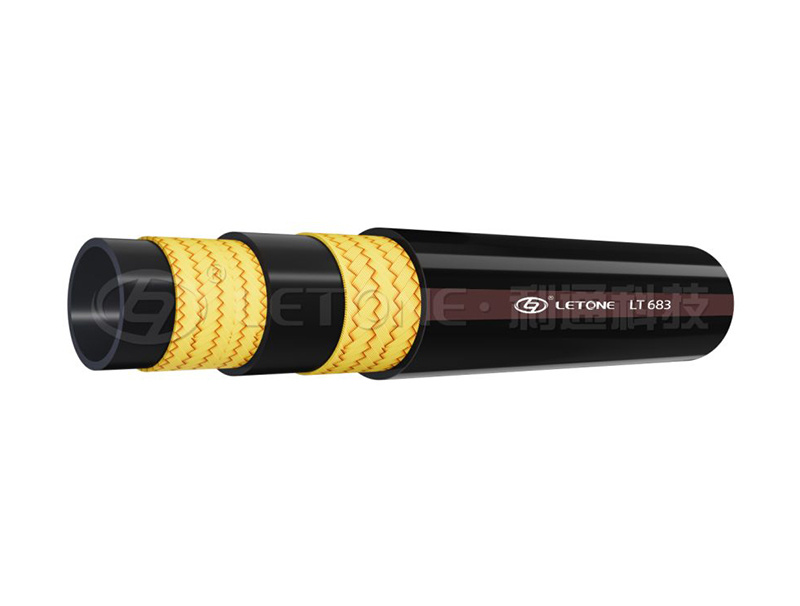
Exploring the Benefits of Using Wire Braided Rubber Hose Pipes in Construction
In the construction industry, the choice of materials can significantly influence the efficiency, safety, and longevity of projects. One material that has gained considerable traction is the wire braided rubber hose pipe. These hoses are not merely functional; they are vital components that enhance the performance of various systems in construction settings. In this article, we will delve into the numerous benefits of using wire braided rubber hose pipes, exploring their features, applications, and how they stack up against alternatives.
Table of Contents
- What Are Wire Braided Rubber Hose Pipes?
- Key Features of Wire Braided Rubber Hose Pipes
- Advantages of Using Wire Braided Hoses in Construction
- Applications of Wire Braided Rubber Hose Pipes
- Installing Wire Braided Hose Pipes: A Step-by-Step Guide
- Maintenance Tips for Wire Braided Hose Pipes
- Choosing the Right Wire Braided Hose for Your Project
- Frequently Asked Questions
- Conclusion
What Are Wire Braided Rubber Hose Pipes?
Wire braided rubber hose pipes are high-pressure hoses made from durable rubber materials, reinforced with woven wire for added strength. This unique construction allows them to withstand extreme pressures and temperatures, making them ideal for a variety of applications in the construction industry. Their flexibility and resilience set them apart from standard rubber hoses, enabling them to perform reliably under challenging conditions.
Understanding the Composition
These hoses are composed of several layers, including an inner rubber lining, a braided wire mesh, and an outer rubber cover. The inner layer is designed to transport fluids, while the braided wire mesh provides structural integrity, preventing the hose from kinking or bursting under pressure. The outer layer protects against environmental factors such as abrasion, UV light, and chemicals, ensuring the hose's longevity.
Key Features of Wire Braided Rubber Hose Pipes
The unique properties of wire braided rubber hose pipes contribute to their numerous advantages in construction applications:
1. High Pressure Tolerance
One of the most significant features of wire braided rubber hoses is their ability to withstand high pressures. This makes them suitable for hydraulic systems and other applications requiring the transfer of fluids under pressure.
2. Flexibility
Despite their strength, these hoses remain flexible, allowing for easy maneuverability in tight spaces. This flexibility is crucial in construction environments where hoses need to bend and twist without compromising performance.
3. Temperature Resistance
Wire braided rubber hoses can handle extreme temperatures, making them ideal for use in both hot and cold environments. This characteristic ensures the consistent performance of the hose, regardless of external conditions.
4. Chemical Resistance
These hoses can resist a wide range of chemicals, making them suitable for transporting various fluids, including oils, fuels, and solvents. This versatility is a significant advantage in construction sites where different materials are utilized.
Advantages of Using Wire Braided Hoses in Construction
The advantages of wire braided rubber hose pipes extend beyond their physical characteristics. Here, we explore how these hoses positively impact construction projects:
1. Enhanced Safety
Using wire braided hoses minimizes the risk of ruptures and leaks, significantly enhancing safety on the construction site. This durability prevents potential accidents, protecting workers and equipment alike.
2. Improved Efficiency
Due to their high-pressure tolerance and flexibility, wire braided hoses can improve the efficiency of equipment operation. They ensure a smooth flow of fluids, reducing the chances of downtime caused by hose failures.
3. Cost-Effectiveness
While wire braided rubber hoses may have a higher initial cost than standard hoses, their durability and longevity translate to lower maintenance and replacement costs over time. This makes them a cost-effective choice in the long run.
4. Versatile Applications
These hoses are not limited to a single application. Their versatility allows them to be used for various purposes, including hydraulic systems, concrete pumping, and transferring fuels and oils. This adaptability is a significant advantage in the dynamic construction environment.
Applications of Wire Braided Rubber Hose Pipes
Wire braided rubber hose pipes are used in various applications throughout the construction industry:
1. Hydraulic Systems
In hydraulic systems, these hoses transport hydraulic fluids under high pressure, ensuring the efficient operation of machinery and equipment.
2. Concrete Pumping
Wire braided hoses are essential for concrete pumping, as they can handle the abrasive nature of concrete and the high pressure needed for pumping it over long distances.
3. Material Transfer
These hoses are ideal for transferring various materials, including fuels, oils, and chemicals. Their resistance to different substances ensures safe and efficient transport.
4. Construction Equipment
From excavators to cranes, wire braided rubber hoses are integral to the operation of various construction equipment, providing reliable fluid transfer and pressure management.
Installing Wire Braided Hose Pipes: A Step-by-Step Guide
Proper installation of wire braided rubber hose pipes is crucial to ensure optimal performance. Here’s a detailed guide:
Step 1: Choose the Right Size
Select a hose size that matches your equipment and application requirements. Check the manufacturer's specifications for the correct dimensions.
Step 2: Prepare the Connection Points
Ensure that the fittings and connection points are clean and free from debris. This will help create a secure seal, preventing leaks.
Step 3: Attach the Hose
Carefully attach the hose to the fittings, ensuring that it is positioned correctly. Use proper tools to tighten the fittings without over-tightening, which can damage the hose.
Step 4: Test the System
Once installed, conduct a pressure test to ensure there are no leaks and that the system operates smoothly. Check for any signs of wear or damage.
Maintenance Tips for Wire Braided Hose Pipes
To prolong the life of wire braided rubber hose pipes, consider the following maintenance tips:
1. Regular Inspections
Conduct routine inspections to check for signs of wear, such as cracks, abrasions, or bulges. Address any issues immediately to prevent further damage.
2. Clean the Hoses
Keep the hoses clean from debris and contaminants that can cause wear. Use appropriate cleaning agents that do not damage the rubber material.
3. Store Properly
When not in use, store hoses in a cool, dry place away from direct sunlight and extreme temperatures. Proper storage can prevent deterioration.
Choosing the Right Wire Braided Hose for Your Project
Selecting the appropriate wire braided rubber hose is crucial for ensuring optimal performance. Consider the following factors:
1. Application Requirements
Identify the specific requirements of your application, including pressure, temperature, and the type of fluid being transported. Choose a hose that meets these specifications.
2. Compatibility
Ensure that the hose material is compatible with the fluids it will be transporting. This helps prevent chemical degradation and extends the hose’s lifespan.
3. Length and Diameter
Measure the required length and diameter accurately to avoid issues during installation. It’s better to opt for a slightly longer hose than one that is too short.
Frequently Asked Questions
1. What is the lifespan of wire braided rubber hose pipes?
The lifespan varies based on usage and maintenance but can typically range from 5 to 10 years with proper care.
2. Can wire braided hoses be used for drinking water?
No, wire braided rubber hoses are not recommended for potable water due to potential chemical leach-out from the materials.
3. How do I know if my hose needs to be replaced?
Look for visible signs of wear, such as cracks, leaks, or bulging. If you notice any of these, it’s time to replace your hose.
4. Are wire braided hoses resistant to UV light?
Yes, they are designed to withstand exposure to UV light, which helps maintain their integrity when used in outdoor applications.
5. What types of fittings are compatible with wire braided hoses?
Common fittings include threaded, flanged, and quick-connect types. Ensure that the fittings match the hose’s specifications for a secure connection.
Conclusion
Wire braided rubber hose pipes represent a significant advancement in construction material technology. Their unique combination of strength, flexibility, and resistance to various environmental factors makes them indispensable in modern construction applications. By understanding their benefits, applications, and maintenance, construction professionals can make informed decisions that enhance project efficiency and safety. As the industry continues to evolve, incorporating high-quality materials like wire braided hoses will be essential in creating robust and durable infrastructures.
PREVIOUS:
Contact Us
E-mail :
admin@lionflex.cn
Mobile:
+86-15921166698
Address:
Hangzhou Xiaoshan District Heshang Town Daqiao Industrial Zone

Mobile: +86-15921166698
website: www.lion-hydraulic.com
Adress: Hangzhou Xiaoshan District Heshang Town Daqiao Industrial Zone

Request Quote