Provide high-quality standard hydraulic component products to global customers.

Understanding Offshore Oil Rig Hoses: Essential Components for Marine Operations
Jul 18,2026
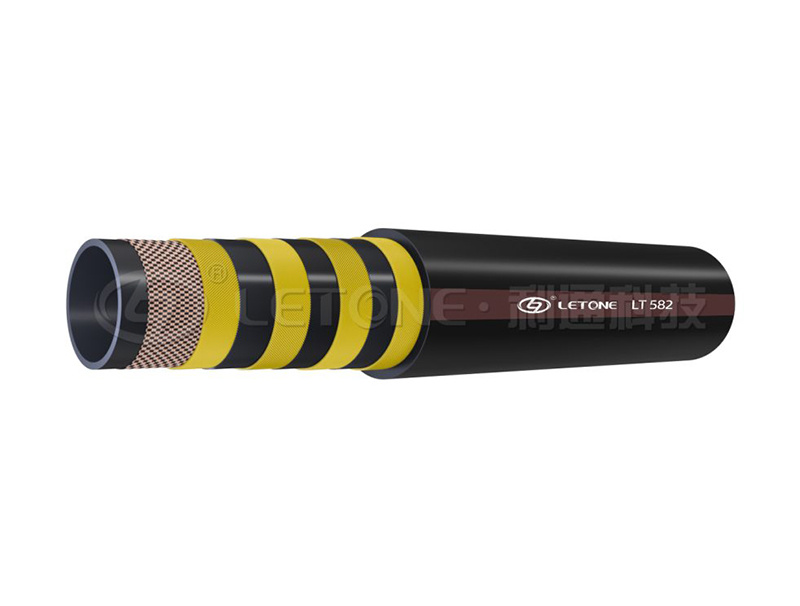
Offshore oil rig hoses are essential components in the marine and oil drilling industries, facilitating the transfer of fluids and ensuring operational efficiency. These specialized hoses are designed to withstand the harsh conditions typically found in offshore environments, including extreme temperatures, high pressures, and exposure to corrosive substances. Understanding the characteristics and specifications of offshore oil rig hoses is crucial for anyone involved in the construction and decoration materials sector, particularly those focusing on piping systems.
One of the primary functions of offshore oil rig hoses is to transport crude oil, water, and other fluids between the rig and supply vessels or other platforms. These hoses are generally constructed from high-quality materials that exhibit excellent strength and flexibility. Common materials include synthetic rubber reinforced with steel wire, which provides high burst pressure and resistance to abrasion and chemicals.
When selecting offshore oil rig hoses, professionals must consider several factors, including the diameter, length, and operating pressure of the hoses. The diameter should be compatible with the flow rate required for specific operations, while the length must accommodate the distance between the platform and the supply vessel or other connection points. Furthermore, understanding the pressure ratings is vital, as exceeding these ratings can lead to failure and potentially hazardous situations.
Safety is a paramount concern in offshore operations, and maintaining the integrity of hoses is a critical aspect of this. Regular inspections and testing are recommended to identify any signs of wear, such as cracks or bulges. Engineers and technicians should also be aware of the environmental conditions that may affect hose performance, including UV exposure, saltwater corrosion, and temperature fluctuations.
In addition to maintenance practices, it's vital to follow industry best practices when installing and using offshore oil rig hoses. Proper handling during installation can prevent kinks or twists, which could compromise the hose's performance. Furthermore, using appropriate fittings and couplings designed for high-pressure applications will ensure secure connections and minimize the risk of leaks.
In conclusion, offshore oil rig hoses are indispensable for the efficiency and safety of marine operations. Their design, materials, and maintenance practices are crucial for ensuring reliable performance in challenging environments. For professionals in the construction and decoration materials industry, understanding the specifications and operational requirements of these hoses is essential for optimal project execution and risk management. By prioritizing safety and adhering to best practices, organizations can ensure the longevity and effectiveness of their offshore operations.
One of the primary functions of offshore oil rig hoses is to transport crude oil, water, and other fluids between the rig and supply vessels or other platforms. These hoses are generally constructed from high-quality materials that exhibit excellent strength and flexibility. Common materials include synthetic rubber reinforced with steel wire, which provides high burst pressure and resistance to abrasion and chemicals.
When selecting offshore oil rig hoses, professionals must consider several factors, including the diameter, length, and operating pressure of the hoses. The diameter should be compatible with the flow rate required for specific operations, while the length must accommodate the distance between the platform and the supply vessel or other connection points. Furthermore, understanding the pressure ratings is vital, as exceeding these ratings can lead to failure and potentially hazardous situations.
Safety is a paramount concern in offshore operations, and maintaining the integrity of hoses is a critical aspect of this. Regular inspections and testing are recommended to identify any signs of wear, such as cracks or bulges. Engineers and technicians should also be aware of the environmental conditions that may affect hose performance, including UV exposure, saltwater corrosion, and temperature fluctuations.
In addition to maintenance practices, it's vital to follow industry best practices when installing and using offshore oil rig hoses. Proper handling during installation can prevent kinks or twists, which could compromise the hose's performance. Furthermore, using appropriate fittings and couplings designed for high-pressure applications will ensure secure connections and minimize the risk of leaks.
In conclusion, offshore oil rig hoses are indispensable for the efficiency and safety of marine operations. Their design, materials, and maintenance practices are crucial for ensuring reliable performance in challenging environments. For professionals in the construction and decoration materials industry, understanding the specifications and operational requirements of these hoses is essential for optimal project execution and risk management. By prioritizing safety and adhering to best practices, organizations can ensure the longevity and effectiveness of their offshore operations.
PREVIOUS:
Contact Us
E-mail :
admin@lionflex.cn
Mobile:
+86-15921166698
Address:
Hangzhou Xiaoshan District Heshang Town Daqiao Industrial Zone

Mobile: +86-15921166698
website: www.lion-hydraulic.com
Adress: Hangzhou Xiaoshan District Heshang Town Daqiao Industrial Zone

Request Quote