Provide high-quality standard hydraulic component products to global customers.

Top Maintenance Tips for High Impulse Braided Hydraulic Hoses
Aug 02,2026
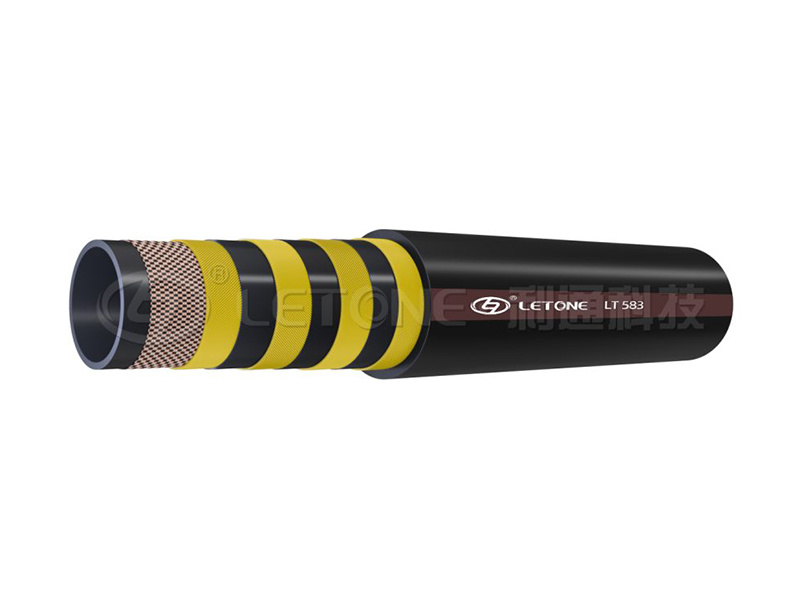
Top Maintenance Tips for High Impulse Braided Hydraulic Hoses
Understanding High Impulse Braided Hydraulic Hoses
High impulse braided hydraulic hoses are essential components in various industrial applications, designed to withstand extreme pressure and provide reliable fluid transfer. These hoses are reinforced with braided textiles, allowing them to handle high impulse cycles and deliver consistent performance. However, to maximize their lifespan and efficiency, regular maintenance is crucial. In this article, we will delve into expert tips for maintaining these pivotal components.
Importance of Regular Maintenance
Regular maintenance of hydraulic hoses is vital for several reasons:
- **Safety**: Deteriorating hoses can lead to leaks and catastrophic failures, posing safety hazards to workers.
- **Cost-effectiveness**: Preventative maintenance can extend the life of hydraulic hoses, reducing replacement costs.
- **Operational Efficiency**: Well-maintained hoses ensure optimal performance, minimizing downtime in production processes.
Common Issues with High Impulse Braided Hydraulic Hoses
Before diving into maintenance tips, it's essential to recognize the common issues that may arise:
- **External Damage**: Cuts, abrasions, and exposure to harsh chemicals can compromise the hose's integrity.
- **Internal Wear**: High-pressure fluid flow can lead to internal erosion, affecting hose performance.
- **Temperature Fluctuations**: Extreme temperatures can cause hoses to expand or contract, leading to leaks.
Top Maintenance Tips for High Impulse Braided Hydraulic Hoses
1. Regular Visual Inspections
Perform thorough visual inspections of your hydraulic hoses at regular intervals. Look for:
- Signs of abrasion, cuts, or cracks on the hose surface.
- Loose fittings and connections that may result in leaks.
- Any signs of swelling or bulging, indicating internal damage.
2. Monitor Operating Conditions
Understanding the operating conditions of your hydraulic system is crucial. Monitor:
- **Pressure Levels**: Ensure that the hoses are operating within their specified pressure limits.
- **Temperature**: Regularly check the temperature of the fluid to ensure it is within the recommended range. High temperatures can degrade hoses over time.
3. Clean the Hoses Regularly
Dirt and debris can accumulate on hoses, leading to premature wear. Clean hoses with a damp cloth and inspect for any signs of damage. Avoid harsh chemicals that could further degrade the material.
4. Check for Kinks and Twists
Kinks and twists in hydraulic hoses can create stress points that lead to premature failure. Ensure that hoses are laid out straight and free from any obstructions. If kinks are found, reposition the hose to relieve stress.
5. Use Proper Mounting Techniques
Ensure that hoses are mounted correctly using brackets and clamps. This prevents unnecessary movement and reduces the risk of wear caused by friction against other components.
6. Replace Worn Components Promptly
If any part of the hydraulic system shows signs of wear, replace it immediately. Delaying replacements can result in more significant issues, including complete hose failure.
7. Keep a Maintenance Log
Maintain a detailed log of inspections, replacements, and repairs. This log serves as a historical record that can help predict potential issues and improve maintenance strategies.
8. Educate Staff on Proper Usage
Training your staff on the correct use of hydraulic hoses is essential. Ensure they understand the importance of avoiding overloading and the right techniques for connecting and disconnecting hoses.
Advanced Maintenance Techniques
1. Implementing Fluid Analysis
Conduct regular fluid analysis to detect contamination and degradation. Monitoring fluid quality can provide insights into the health of the hydraulic system and the hoses themselves.
2. Utilizing Hose Pressure Testing
Pressure testing hoses periodically can reveal weak points that may not be visible during a standard inspection. Use industry-standard testing procedures to evaluate hose integrity.
3. Employing Protective Coatings
Consider using protective coatings to shield hoses from environmental damage. These coatings can provide an extra layer of defense against abrasions and chemical exposure.
FAQs About High Impulse Braided Hydraulic Hoses Maintenance
1. How often should I inspect my hydraulic hoses?
It is recommended to inspect hydraulic hoses at least once a month, or more frequently based on usage and operating conditions.
2. What are the signs that a hydraulic hose needs to be replaced?
Signs of replacement include visible damage, leaks, swelling, or if the hose fails to maintain pressure.
3. Can I repair a damaged hydraulic hose?
Minor damages may be repaired using hose clamps or patches, but it is often more reliable to replace hoses that show significant wear.
4. What types of cleaning solutions are safe for hydraulic hoses?
Use mild soap and water for cleaning. Avoid solvents and harsh chemicals that may damage the hose material.
5. Why is temperature monitoring important for hydraulic hoses?
Temperature affects the material properties of hoses; excessive heat can lead to softening and failure, while extreme cold can make hoses brittle.
Conclusion
Maintaining high impulse braided hydraulic hoses is crucial for ensuring the safety, efficiency, and longevity of hydraulic systems. By implementing regular inspections, monitoring operating conditions, and training staff, businesses can avoid costly failures and improve operational performance. The investment in proper maintenance strategies not only protects equipment but also enhances workplace safety and productivity. By adhering to the tips outlined in this article, we can ensure that our hydraulic hoses remain in optimal condition, ready to withstand the challenges of demanding industrial environments.
Contact Us
E-mail :
admin@lionflex.cn
Mobile:
+86-15921166698
Address:
Hangzhou Xiaoshan District Heshang Town Daqiao Industrial Zone

Mobile: +86-15921166698
website: www.lion-hydraulic.com
Adress: Hangzhou Xiaoshan District Heshang Town Daqiao Industrial Zone

Request Quote