Provide high-quality standard hydraulic component products to global customers.

Furnace Coolant Hoses: Understanding Their Environmental Impact and Sustainable Alternatives
Aug 12,2026
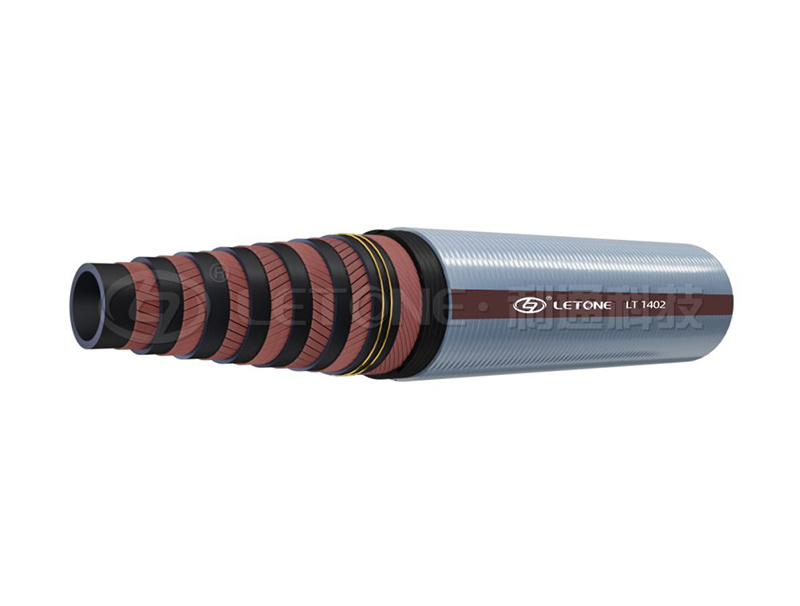
Furnace Coolant Hoses: Understanding Their Environmental Impact and Sustainable Alternatives
Table of Contents
1. Introduction to Furnace Coolant Hoses
2. The Importance of Furnace Coolant Hoses in Various Industries
3. Environmental Impact of Furnace Coolant Hoses
3.1. Material Composition and its Effects
3.2. Lifecycle Analysis of Furnace Coolant Hoses
4. Sustainable Alternatives to Traditional Furnace Coolant Hoses
4.1. Biodegradable Materials
4.2. Recyclable Options
5. Regulatory Standards and Compliance
6. Best Practices in the Use and Disposal of Furnace Coolant Hoses
7. Frequently Asked Questions (FAQs)
8. Conclusion
1. Introduction to Furnace Coolant Hoses
Furnace coolant hoses are essential components in various industrial applications, particularly in heating systems. These hoses transport coolant fluids—critical for regulating temperature and ensuring the efficient operation of furnace systems. Understanding their functionality and the materials used in their manufacture is vital for both industry professionals and environmentally conscious consumers.
2. The Importance of Furnace Coolant Hoses in Various Industries
Furnace coolant hoses play a crucial role in a range of industries, from manufacturing to construction. They not only facilitate the efficient operation of furnace systems but also impact overall energy consumption. Properly functioning coolant hoses help maintain optimal temperatures, reducing the likelihood of equipment failure and ensuring longevity. Consequently, businesses can save on maintenance costs and increase productivity.
3. Environmental Impact of Furnace Coolant Hoses
While furnace coolant hoses serve essential purposes, they also have notable environmental ramifications. Understanding these impacts is key for making informed decisions regarding their use and disposal.
3.1. Material Composition and its Effects
Most furnace coolant hoses are made from synthetic rubber, PVC, or similar materials. These components can have significant environmental footprints. The extraction and processing of these materials often involve harmful chemicals and energy-intensive methods, contributing to pollution and greenhouse gas emissions.
3.2. Lifecycle Analysis of Furnace Coolant Hoses
The lifecycle of a furnace coolant hose begins at production and continues through usage and disposal. During each stage, they can impose varying levels of environmental harm. From resource extraction to the energy consumed during manufacturing, these hoses leave a substantial ecological footprint. When they reach the end of their functional lifecycle, improper disposal—such as landfill dumping—can lead to persistent environmental pollutants that affect soil and water quality.
4. Sustainable Alternatives to Traditional Furnace Coolant Hoses
As awareness of environmental issues rises, the search for sustainable alternatives to traditional furnace coolant hoses has gained momentum.
4.1. Biodegradable Materials
Companies are beginning to explore the use of biodegradable materials for manufacturing coolant hoses. These materials can decompose over time, reducing their long-term impact on the environment. Innovations in bioplastics, made from renewable resources, present promising alternatives that offer similar performance characteristics without the negative environmental ramifications associated with conventional materials.
4.2. Recyclable Options
Another sustainable option includes hoses manufactured from recyclable materials. By utilizing resources that can be reprocessed, manufacturers can significantly decrease waste and promote a circular economy. This approach not only conserves raw materials but also minimizes energy consumption during production.
5. Regulatory Standards and Compliance
Adhering to regulatory standards is crucial for businesses involved in the production and distribution of furnace coolant hoses. Industry regulations often dictate material safety, environmental impact assessments, and proper disposal methods. Staying compliant is not only a legal obligation but also reflects a commitment to sustainability and responsible business practices.
6. Best Practices in the Use and Disposal of Furnace Coolant Hoses
To mitigate the environmental impact of furnace coolant hoses, adhering to best practices is essential.
- **Regular Maintenance**: Ensuring hoses are well-maintained can prolong their lifespan and efficiency, which in turn reduces waste.
- **Proper Disposal**: When hoses reach the end of their life, recycling should be prioritized over landfill disposal. Many manufacturers offer take-back programs to facilitate recycling.
- **Educating Employees**: Training personnel on the correct handling and disposal of coolant hoses can promote responsible practices within an organization.
7. Frequently Asked Questions (FAQs)
What are furnace coolant hoses made of?
Furnace coolant hoses are typically composed of synthetic rubber, PVC, and other materials designed to withstand high temperatures and pressure.
How long do furnace coolant hoses last?
The lifespan of furnace coolant hoses varies based on use and environmental conditions but typically ranges from 5 to 10 years before needing replacement.
Are there eco-friendly alternatives to furnace coolant hoses?
Yes, biodegradable and recyclable materials are emerging as eco-friendly alternatives to traditional furnace coolant hoses.
What is the environmental impact of discarded coolant hoses?
Improperly disposed coolant hoses can contribute to soil and water pollution, as they often contain harmful substances from their manufacturing process.
How can businesses ensure compliance with environmental regulations?
Staying informed about industry regulations and implementing internal policies for sustainability can help businesses remain compliant with environmental laws.
8. Conclusion
Furnace coolant hoses are indispensable in various industrial applications, but their environmental impact cannot be overlooked. By understanding their lifecycle and exploring sustainable alternatives, businesses and consumers alike can make choices that benefit both their bottom line and the planet. Embracing eco-friendly materials, adhering to regulatory standards, and implementing best practices are vital steps toward reducing the ecological footprint of furnace coolant hoses. As we move forward, fostering innovation in the industry will pave the way for a more sustainable future, ensuring that our reliance on essential components like furnace coolant hoses does not come at the expense of our environment.
PREVIOUS:
Contact Us
E-mail :
admin@lionflex.cn
Mobile:
+86-15921166698
Address:
Hangzhou Xiaoshan District Heshang Town Daqiao Industrial Zone

Mobile: +86-15921166698
website: www.lion-hydraulic.com
Adress: Hangzhou Xiaoshan District Heshang Town Daqiao Industrial Zone

Request Quote