Provide high-quality standard hydraulic component products to global customers.

Wire Braided Rubber Hose Pipes: A Key Component in Efficient Construction
Aug 22,2026
Wire Braided Rubber Hose Pipes: A Key Component in Efficient Construction
Introduction to Wire Braided Rubber Hose Pipes
In the ever-evolving world of construction, the importance of using high-quality materials cannot be overstated. One such material that has gained significant attention is **wire braided rubber hose pipes**. These hoses play an instrumental role in various construction applications by delivering fluids, including water, oil, and other materials, under substantial pressure. This article aims to explore their features, benefits, applications, and much more.
The Anatomy of Wire Braided Rubber Hose Pipes
What Are Wire Braided Rubber Hose Pipes?
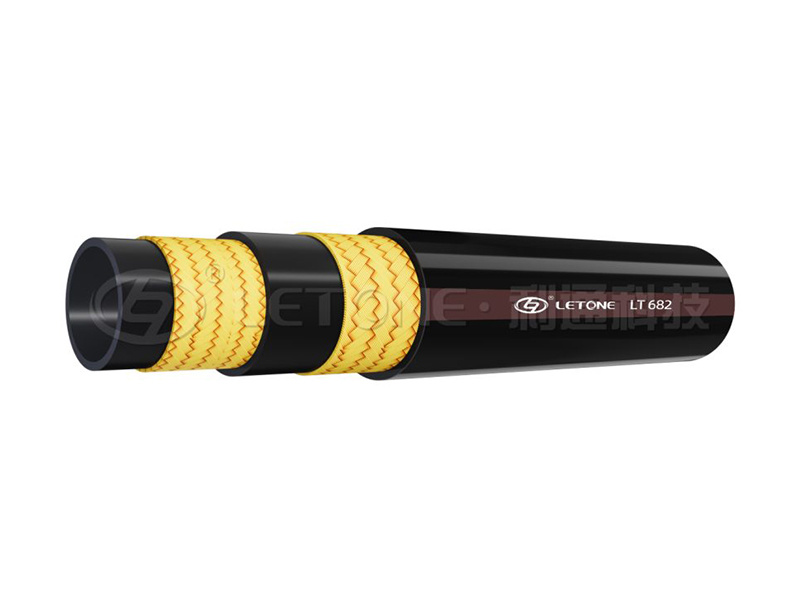
Wire braided rubber hose pipes are flexible tubes made of a rubber compound reinforced with braided wire. This unique construction allows them to withstand high pressure and mechanical stress, making them suitable for demanding construction tasks. The braided wire adds extra strength and prevents the hose from bursting or collapsing under pressure.
Key Components of Wire Braided Rubber Hose Pipes
1. **Outer Rubber Layer**: This is the first line of defense against abrasion, weathering, and chemical exposure. The outer layer provides durability and protection.
2. **Reinforcement Layer**: Made of braided wire, this layer enhances the hose's tensile strength, allowing it to handle high pressures without failing.
3. **Inner Lining**: The inner lining is often made of synthetic rubber that offers excellent resistance to various fluids, ensuring that the hose remains intact over time.
4. **End Fittings**: These fittings connect the hose to other equipment, ensuring a secure and leak-free connection.
Benefits of Wire Braided Rubber Hose Pipes
1. High Pressure Resistance
One of the most significant advantages of wire braided rubber hose pipes is their ability to handle high-pressure applications. This feature is crucial in construction environments where hydraulic systems operate at elevated pressures. Their robust construction minimizes the risk of a hose failure, ensuring the safety of workers and equipment.
2. Flexibility and Versatility
Wire braided rubber hoses offer remarkable flexibility, allowing them to bend and twist without kinking. This adaptability makes them suitable for a wide range of applications, from transporting water to delivering fuel and lubricants.
3. Chemical Resistance
Given the diverse materials used in construction, having hoses that can withstand chemical exposure is essential. Wire braided rubber hose pipes are often designed to resist degradation from various chemicals, making them a reliable choice for transporting different substances.
4. Temperature Tolerance
These hoses can function effectively in extreme temperatures, both hot and cold. This temperature tolerance is critical in construction sites that may experience varying weather conditions.
5. Longevity and Cost Efficiency
Investing in high-quality wire braided rubber hose pipes can lead to long-term savings. Their durability means they require less frequent replacement compared to cheaper alternatives, ultimately reducing overall operational costs.
Applications of Wire Braided Rubber Hose Pipes in Construction
1. Hydraulic Systems
Wire braided rubber hoses are commonly used in hydraulic systems for construction machinery such as excavators, bulldozers, and forklifts. These hoses transport hydraulic fluids under high pressure, enabling the equipment to function efficiently.
2. Water Supply and Drainage
In construction sites, managing water supply and drainage is crucial. Wire braided rubber hose pipes facilitate the movement of water for various purposes, from mixing concrete to cleaning equipment.
3. Fuel Delivery
Construction sites often rely on various fuel types, including diesel and gasoline. Wire braided rubber hoses can safely transport these fuels, ensuring that machinery remains operational without interruptions.
4. Air and Pneumatic Tools
Many construction tools require compressed air to function. Wire braided rubber hose pipes are ideal for delivering compressed air to pneumatic tools, enhancing productivity on the job site.
5. Material Conveying
In some construction processes, materials such as cement slurry or drywall mud need to be conveyed through hoses. Wire braided rubber hoses can handle these tasks efficiently, ensuring seamless material transfer.
Choosing the Right Wire Braided Rubber Hose Pipe
1. Assessing Pressure Requirements
When selecting a wire braided rubber hose, it’s essential to know the maximum pressure it will encounter. Always choose a hose with a pressure rating higher than what you expect to use.
2. Considering Chemical Compatibility
Different projects may involve various fluids. Understanding the chemical compatibility of your chosen hose material with the substances it will carry is crucial for avoiding premature failure.
3. Evaluating Temperature Range
Ensure that the hose can withstand the temperature fluctuations typical of your work environment. This evaluation helps prevent issues related to thermal expansion or contraction.
4. Length and Diameter Specifications
The length and diameter of the hose should match your specific application needs. A hose that is too short can restrict movement, while one that is too long may create unnecessary bends or kinks.
5. Checking for Certifications
Always opt for hoses that meet industry standards and certifications. These certifications ensure that the product has undergone rigorous testing for quality and safety.
Maintenance Tips for Wire Braided Rubber Hose Pipes
1. Regular Inspections
Conduct routine inspections of your wire braided rubber hoses to identify any signs of wear, such as cracks, fraying, or leaks. Early detection can prevent costly failures.
2. Cleanliness is Key
Keep the hoses clean and free from debris. Dirt and grime can contribute to premature wear and can also affect the quality of the fluids being transported.
3. Proper Storage
When not in use, store the hoses in a cool, dry place, away from direct sunlight and extreme temperatures. Proper storage prolongs the life of the hoses.
4. Avoid Overextension
Never exceed the recommended bend radius of the hose. Overextension can lead to kinks and reduced flow efficiency.
5. Replace When Necessary
Don’t hesitate to replace hoses that show significant signs of wear or damage. Investing in new hoses is always better than risking equipment failure or safety hazards.
Environmental Considerations
As the construction industry moves towards more sustainable practices, it’s essential to consider the environmental impact of materials used. Wire braided rubber hoses can be manufactured with environmentally friendly materials and processes. Additionally, proper recycling methods for old or damaged hoses can help reduce waste and promote sustainability.
Frequently Asked Questions (FAQs)
1. What is the lifespan of wire braided rubber hose pipes?
The lifespan of wire braided rubber hoses can vary depending on usage, maintenance, and environmental conditions. Generally, with proper care, they can last several years.
2. Can wire braided rubber hoses be used for food-grade applications?
Not all wire braided rubber hoses are suitable for food-grade applications. It’s essential to confirm that the hose is designed and certified for food use.
3. How do I know if my hose is suitable for high temperature?
Check the manufacturer’s specifications for temperature ratings. Hoses designed for high temperatures will clearly indicate their limits.
4. What should I do if my hose starts leaking?
Immediately stop using the hose and inspect it for damage. If the leak is due to wear and tear, it’s best to replace the hose.
5. Are there alternatives to wire braided rubber hose pipes?
Yes, alternatives include PVC hoses and thermoplastic rubber hoses. However, the choice depends on your specific application needs and requirements.
Conclusion
Wire braided rubber hose pipes are undeniably a **key component in efficient construction**. Their robust construction, high-pressure resistance, and versatility make them indispensable in various applications within the construction industry. By understanding the benefits, appropriate selection, maintenance practices, and environmental considerations, professionals can ensure the longevity and efficacy of their hose systems. Embracing these components not only enhances safety and efficiency on-site but also contributes to the overall success of construction projects.
PREVIOUS:
Contact Us
E-mail :
admin@lionflex.cn
Mobile:
+86-15921166698
Address:
Hangzhou Xiaoshan District Heshang Town Daqiao Industrial Zone

Mobile: +86-15921166698
website: www.lion-hydraulic.com
Adress: Hangzhou Xiaoshan District Heshang Town Daqiao Industrial Zone

Request Quote