Provide high-quality standard hydraulic component products to global customers.

Why Hydraulic Hoses Are Essential for Safe Coal Mining Practices
Sep 11,2026
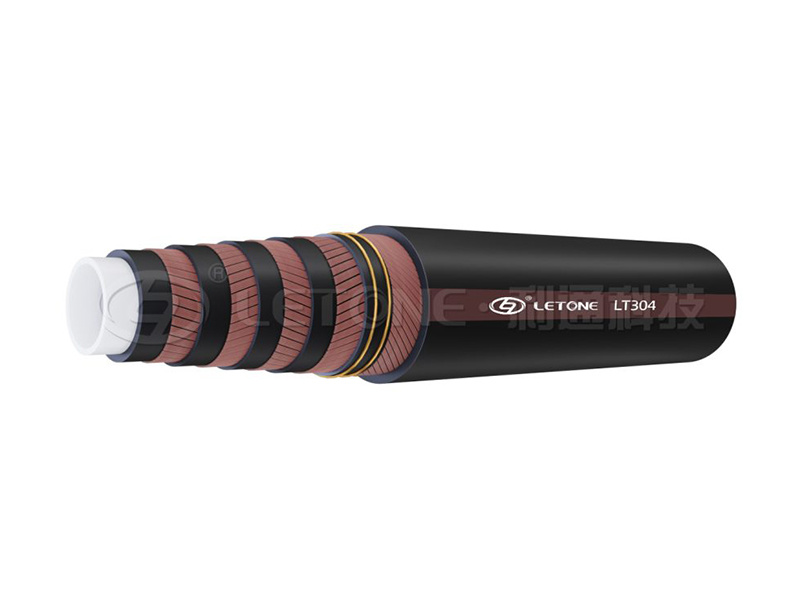
Why Hydraulic Hoses Are Essential for Safe Coal Mining Practices
Table of Contents
1. Introduction to Hydraulic Hoses in Coal Mining
2. Understanding the Role of Hydraulic Systems
2.1 Types of Hydraulic Systems Used in Mining
2.2 Advantages of Hydraulic Systems
3. Critical Importance of Hydraulic Hoses
3.1 Safety Features of Hydraulic Hoses
3.2 Performance Efficiency
4. Types of Hydraulic Hoses for Mining Applications
4.1 High-Pressure Hydraulic Hoses
4.2 Suction and Return Hoses
4.3 Fire-Resistant Hoses
5. Best Practices for Hydraulic Hose Maintenance
5.1 Regular Inspections
5.2 Proper Installation Techniques
6. Common Failures and Preventive Measures
6.1 Identifying Common Issues
6.2 Effective Preventive Strategies
7. Training and Safety Protocols in Coal Mining
8. Conclusion
9. FAQs
1. Introduction to Hydraulic Hoses in Coal Mining
In the coal mining industry, operational efficiency and safety are paramount. Hydraulic systems and their components, particularly hydraulic hoses, serve as vital elements in ensuring these goals are met. Hydraulic hoses facilitate the transfer of fluids necessary for powering machinery, controlling movements, and performing vital functions within mining equipment. Understanding why these hoses are essential can significantly impact both safety and productivity in coal mining operations.
2. Understanding the Role of Hydraulic Systems
Hydraulic systems utilize pressurized fluids to operate machinery. This method of power transmission is fundamental in coal mining, where heavy equipment must perform reliably under extreme conditions.
2.1 Types of Hydraulic Systems Used in Mining
Several hydraulic systems operate in coal mining, including:
- **Excavators**: Used for digging and transporting coal.
- **Loaders**: Essential for loading coal onto trucks or conveyors.
- **Drilling Equipment**: For creating boreholes for exploration and extraction.
2.2 Advantages of Hydraulic Systems
Hydraulic systems offer numerous advantages, such as:
- **High Power-to-Weight Ratio**: Providing more power with less weight.
- **Precision Control**: Allowing operators to perform intricate movements with ease.
3. Critical Importance of Hydraulic Hoses
Hydraulic hoses are the arteries of hydraulic systems. They play an integral role in maintaining the safety and functionality of equipment used in coal mining.
3.1 Safety Features of Hydraulic Hoses
The safety features of hydraulic hoses are designed to prevent leaks and bursts, which can lead to catastrophic failures. Many hoses are constructed with multiple layers of reinforcement to withstand high pressures and abrasive environments.
3.2 Performance Efficiency
The efficiency of hydraulic hoses directly impacts the overall productivity of mining operations. Well-maintained hoses minimize downtime, reduce maintenance costs, and ensure smoother operations.
4. Types of Hydraulic Hoses for Mining Applications
Different mining applications necessitate various types of hydraulic hoses. Knowing which type to use is essential for maintaining safety and efficiency.
4.1 High-Pressure Hydraulic Hoses
These hoses are designed to handle extreme pressures, making them ideal for heavy-duty mining machinery. They are typically reinforced with steel braids or spirals.
4.2 Suction and Return Hoses
Suction hoses transport hydraulic fluid back to the reservoir. These hoses must be flexible and durable to withstand the rigors of mining conditions.
4.3 Fire-Resistant Hoses
In coal mining, fire hazards are a real concern. Fire-resistant hydraulic hoses are designed to withstand high temperatures and prevent ignition in case of a leak.
5. Best Practices for Hydraulic Hose Maintenance
Regular maintenance of hydraulic hoses is crucial for safety and efficiency. Implementing best practices can prevent failures and extend the lifespan of the hoses.
5.1 Regular Inspections
Conducting routine inspections is essential to identify wear and tear. This includes checking for abrasions, leaks, and signs of corrosion.
5.2 Proper Installation Techniques
Improper installation can lead to failures. Ensuring that hoses are properly aligned and secured can minimize risks.
6. Common Failures and Preventive Measures
Understanding common failures in hydraulic hoses can help prevent accidents and maintain productivity in coal mining operations.
6.1 Identifying Common Issues
Common issues include:
- **Leaking Hoses**: Often caused by wear or improper fitting.
- **Burst Hoses**: Resulting from excessive pressure or damage.
6.2 Effective Preventive Strategies
To prevent these issues, operators should:
- Monitor pressure levels continuously.
- Replace worn hoses promptly.
7. Training and Safety Protocols in Coal Mining
Training employees on the importance of hydraulic hoses and proper maintenance can significantly enhance safety. Implementing strict safety protocols helps ensure that everyone is aware of their responsibilities regarding equipment safety.
8. Conclusion
Hydraulic hoses are not just components of machinery; they are essential lifelines in coal mining operations. Understanding their importance, maintaining them diligently, and adhering to safety protocols can significantly enhance both safety and productivity in the mining sector. As the industry evolves, the role of hydraulic systems will continue to be pivotal in achieving efficient and safe coal mining practices.
9. FAQs
1. What are hydraulic hoses made of?
Hydraulic hoses are typically made from synthetic rubber, thermoplastic, or metal, reinforced with fibers or steel to withstand high pressures.
2. How often should hydraulic hoses be inspected?
Hydraulic hoses should be inspected regularly, at least once a month, and before each use to ensure they are in good condition.
3. What are the signs of a failing hydraulic hose?
Signs of a failing hydraulic hose include visible leaks, bulging, cracking, or severe wear on the surface.
4. Can hydraulic hoses be repaired?
While minor issues can sometimes be repaired, it is generally recommended to replace damaged hoses to ensure safety.
5. Why is it important to use fire-resistant hydraulic hoses in coal mining?
Fire-resistant hydraulic hoses are crucial in coal mining due to the high risk of fire hazards associated with coal dust and equipment malfunction.
Contact Us
E-mail :
admin@lionflex.cn
Mobile:
+86-15921166698
Address:
Hangzhou Xiaoshan District Heshang Town Daqiao Industrial Zone

Mobile: +86-15921166698
website: www.lion-hydraulic.com
Adress: Hangzhou Xiaoshan District Heshang Town Daqiao Industrial Zone

Request Quote