Provide high-quality standard hydraulic component products to global customers.

Understanding Flexible Choke and Kill Lines in Construction and Decorative Applications
Aug 18,2025
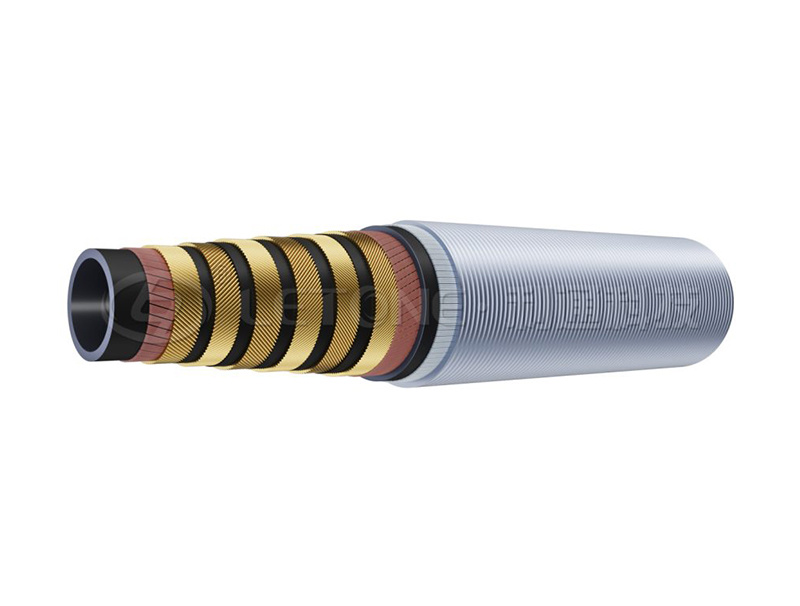
Flexible choke and kill lines are specialized piping systems commonly used in the construction and decorative materials sector, particularly in various applications involving fluid transport and pressure regulation. These lines are designed to manage the flow of fluids under high-pressure conditions, making them a critical component in numerous industrial processes and systems.
The primary function of flexible choke and kill lines is to provide a safe and efficient means of controlling the pressure in pipelines. This is especially important in applications where the risk of pressure surges or sudden changes in fluid dynamics may pose a safety hazard. By allowing for flexibility in design and installation, these lines can adapt to the unique requirements of different projects, ensuring that they remain effective under various conditions.
One of the key advantages of using flexible choke and kill lines is their ability to accommodate movement and vibration. In construction settings, structures can shift due to various factors such as temperature changes, ground settling, or dynamic loads. The flexible nature of these lines helps to prevent stress and potential failure that can occur with rigid piping systems. This results in greater reliability and longevity of the installation, which is essential for maintaining operational efficiency and safety.
Moreover, flexible choke and kill lines are engineered to withstand aggressive environments, including exposure to harsh chemicals, extreme temperatures, and high pressures. This resilience makes them suitable for a wide range of applications beyond traditional construction, including oil and gas, marine, and even decorative projects where fluid management is required. Their versatility allows for innovative designs and solutions in both functional and aesthetic contexts.
When selecting a flexible choke and kill line, it is important to consider various factors, including the materials used in their construction, the specific pressure ratings, and the types of fluids they will transport. Understanding these parameters will help ensure that the chosen lines meet the demands of your specific application while adhering to industry standards and regulations.
In conclusion, flexible choke and kill lines play a pivotal role in enhancing the safety and efficiency of fluid transport systems in construction and decorative materials. By offering adaptability, resilience, and reliability, these lines are an essential consideration for any project that involves managing pressures and fluid dynamics. Whether you are working on a large-scale industrial installation or a smaller decorative application, understanding the value of these components will contribute to the overall success of your endeavor.
The primary function of flexible choke and kill lines is to provide a safe and efficient means of controlling the pressure in pipelines. This is especially important in applications where the risk of pressure surges or sudden changes in fluid dynamics may pose a safety hazard. By allowing for flexibility in design and installation, these lines can adapt to the unique requirements of different projects, ensuring that they remain effective under various conditions.
One of the key advantages of using flexible choke and kill lines is their ability to accommodate movement and vibration. In construction settings, structures can shift due to various factors such as temperature changes, ground settling, or dynamic loads. The flexible nature of these lines helps to prevent stress and potential failure that can occur with rigid piping systems. This results in greater reliability and longevity of the installation, which is essential for maintaining operational efficiency and safety.
Moreover, flexible choke and kill lines are engineered to withstand aggressive environments, including exposure to harsh chemicals, extreme temperatures, and high pressures. This resilience makes them suitable for a wide range of applications beyond traditional construction, including oil and gas, marine, and even decorative projects where fluid management is required. Their versatility allows for innovative designs and solutions in both functional and aesthetic contexts.
When selecting a flexible choke and kill line, it is important to consider various factors, including the materials used in their construction, the specific pressure ratings, and the types of fluids they will transport. Understanding these parameters will help ensure that the chosen lines meet the demands of your specific application while adhering to industry standards and regulations.
In conclusion, flexible choke and kill lines play a pivotal role in enhancing the safety and efficiency of fluid transport systems in construction and decorative materials. By offering adaptability, resilience, and reliability, these lines are an essential consideration for any project that involves managing pressures and fluid dynamics. Whether you are working on a large-scale industrial installation or a smaller decorative application, understanding the value of these components will contribute to the overall success of your endeavor.
Contact Us
E-mail :
admin@lionflex.cn
Mobile:
+86-15921166698
Address:
Hangzhou Xiaoshan District Heshang Town Daqiao Industrial Zone

Mobile: +86-15921166698
website: www.lion-hydraulic.com
Adress: Hangzhou Xiaoshan District Heshang Town Daqiao Industrial Zone

Request Quote