Provide high-quality standard hydraulic component products to global customers.

Why Choose Flexible Choke and Kill Lines for Your Pipe Fitting Needs?
Aug 22,2025
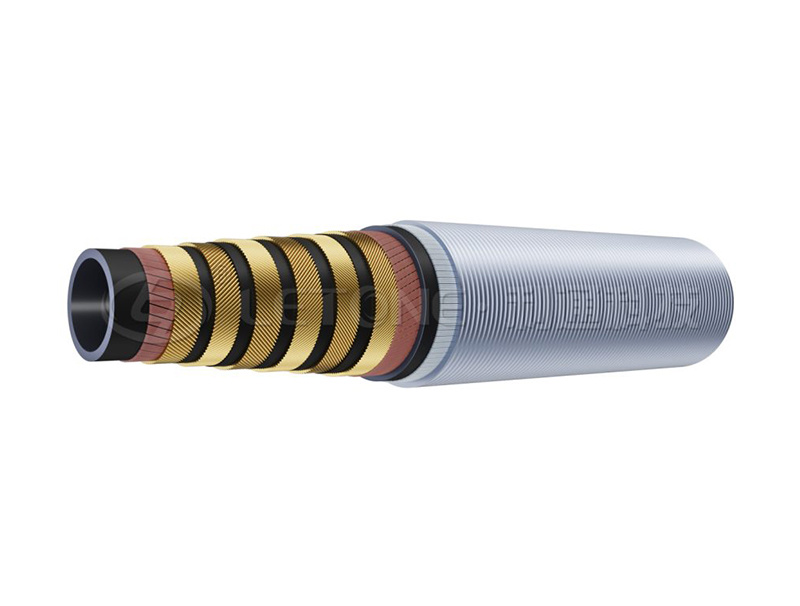
Introduction to Flexible Choke and Kill Lines
Flexible choke and kill lines play a crucial role in the construction and decorative materials industry, especially in pipe fitting applications. These specialized hoses are designed to handle high-pressure environments, providing safety and reliability in various operations, including oil and gas drilling. In this article, we will explore the reasons to choose flexible choke and kill lines for your pipe fitting needs, looking closely at their benefits, applications, and the technology behind them.
Understanding the Functionality of Choke and Kill Lines
Choke and kill lines are essential components in well control systems. They are primarily used in the oil and gas industry to manage pressure and control the flow of fluids during drilling operations.
What Are Choke and Kill Lines?
Choke lines are designed to restrict the flow of fluids from a well, allowing for controlled pressure management. Kill lines, on the other hand, are used to inject fluids into a wellbore to counteract pressure surges during drilling. Together, these lines ensure the safety and effectiveness of drilling operations.
How Flexible Lines Enhance Performance
The flexibility of these lines allows for easier handling and installation, especially in complex environments where traditional rigid piping would struggle. Their ability to bend around obstacles means that they can be integrated into existing systems with fewer modifications. This flexibility also helps minimize stress on equipment, reducing the likelihood of failure.
The Advantages of Using Flexible Choke and Kill Lines
When it comes to pipe fitting needs, flexible choke and kill lines offer numerous benefits that set them apart from traditional options.
1. Superior Flexibility and Maneuverability
Flexible choke and kill lines can adapt to various installation scenarios. Their design allows them to be easily routed around other equipment, which is particularly useful in confined spaces.
2. Enhanced Safety Features
Safety is paramount in the construction industry. Flexible choke and kill lines are engineered to withstand high pressures and extreme temperatures. Many are constructed with multiple layers of high-strength materials that provide added protection against leaks and bursts, ensuring the safety of personnel and equipment.
3. Durability and Longevity
Flexible lines are built to last. Utilizing advanced materials such as synthetic rubber and reinforced textiles, these hoses resist abrasion, corrosion, and environmental factors, enhancing their service life. This durability translates to fewer replacements and lower maintenance costs.
4. Cost-Effectiveness
Although the initial investment may be higher than traditional piping, the cost-effectiveness of flexible choke and kill lines is evident when considering their longevity and reduced maintenance needs. Fewer failures mean less downtime and more efficient operations.
5. Quick and Easy Installation
Installation of flexible lines is often quicker and requires less skilled labor than traditional piping systems. Their lightweight design makes them easier to transport and install, reducing labor costs and project timelines.
Applications of Flexible Choke and Kill Lines
Flexible choke and kill lines are versatile and can be utilized in various applications beyond oil and gas drilling.
1. Oil and Gas Drilling
The primary use of choke and kill lines is in oil and gas drilling operations. They ensure efficient control of well pressure, crucial for preventing blowouts and maintaining safety.
2. Water Wells and Geothermal Systems
Flexible lines are also used in water wells and geothermal applications, where they facilitate fluid movement while maintaining the integrity of the system.
3. Chemical Transport
In industries that require the transport of chemicals, flexible choke and kill lines can handle corrosive substances without degrading, making them ideal for chemical processing plants.
4. Hydraulic Systems
Flexible lines are commonly employed in hydraulic systems across various industries, providing the necessary flexibility to connect components while maintaining pressure.
Choosing the Right Flexible Choke and Kill Lines
When selecting flexible choke and kill lines for your projects, several factors must be considered to ensure optimal performance.
1. Pressure Rating
Always check the pressure rating of the lines to ensure they can handle the specific requirements of your application. It is crucial to select lines that exceed the maximum pressure you expect to encounter.
2. Material Composition
The material used in the construction of flexible lines affects their performance and longevity. Look for lines made from high-quality synthetic rubbers and reinforced textiles that can withstand harsh conditions.
3. Diameter and Length
Choose the appropriate diameter and length based on your system's specifications. Custom sizing may be available to accommodate unique configurations.
4. Manufacturer Reputation
Selecting a reputable manufacturer can assure you of quality and reliability. Look for companies with a proven track record in the industry, offering warranties or guarantees on their products.
Maintenance Tips for Flexible Choke and Kill Lines
To maximize the lifespan of your flexible choke and kill lines, regular maintenance is essential.
1. Regular Inspections
Conduct routine inspections to check for signs of wear, damage, or leaks. Early detection can prevent costly failures.
2. Clean and Protect
Keep the lines clean and free of debris. Use protective covers if necessary to shield them from environmental factors and physical damage.
3. Proper Storage
When not in use, store flexible lines in a cool, dry place away from direct sunlight to prevent degradation of materials.
Frequently Asked Questions (FAQs)
1. What materials are flexible choke and kill lines made from?
Flexible choke and kill lines are typically constructed from high-quality synthetic rubbers, reinforced textiles, and other advanced materials designed to withstand high pressures and harsh environments.
2. How do I determine the right size for my application?
To determine the appropriate diameter and length for your flexible choke and kill lines, consult your system specifications and consider the flow requirements and installation environment.
3. Can flexible choke and kill lines be repaired?
Depending on the extent of the damage, some flexible lines may be repairable. However, it is often more cost-effective and safer to replace damaged lines.
4. What is the lifespan of flexible choke and kill lines?
The lifespan of flexible lines varies based on usage, environmental conditions, and maintenance practices. Regular inspections and proper care can significantly extend their service life.
5. Are there any safety certifications I should look for?
Yes, look for flexible lines that meet industry standards and have relevant safety certifications. This ensures they have been tested for performance and reliability.
Conclusion
In conclusion, flexible choke and kill lines offer a multitude of advantages for your pipe fitting needs. Their superior flexibility, safety features, durability, and cost-effectiveness make them a sound choice for various applications in the construction and decorative materials industry. By understanding their functionality and selecting the right lines for your projects, you can enhance the efficiency and safety of your operations. Whether you're involved in oil and gas drilling or other fluid transport applications, investing in high-quality flexible choke and kill lines will contribute significantly to your project's success.
Contact Us
E-mail :
admin@lionflex.cn
Mobile:
+86-15921166698
Address:
Hangzhou Xiaoshan District Heshang Town Daqiao Industrial Zone

Mobile: +86-15921166698
website: www.lion-hydraulic.com
Adress: Hangzhou Xiaoshan District Heshang Town Daqiao Industrial Zone

Request Quote