Provide high-quality standard hydraulic component products to global customers.

Why Choosing the Right Wire Braided Hydraulic Hose Pipe Matters
Aug 29,2025
Why Choosing the Right Wire Braided Hydraulic Hose Pipe Matters
In the realm of hydraulic systems, the significance of selecting the appropriate components cannot be overstated. Among these components, the **wire braided hydraulic hose pipe** stands out as a crucial element responsible for maintaining efficiency and safety in hydraulic applications. This article explores the various aspects of wire braided hydraulic hoses, including their construction, applications, and maintenance, helping you make informed decisions for your projects.
Understanding Wire Braided Hydraulic Hose Pipes
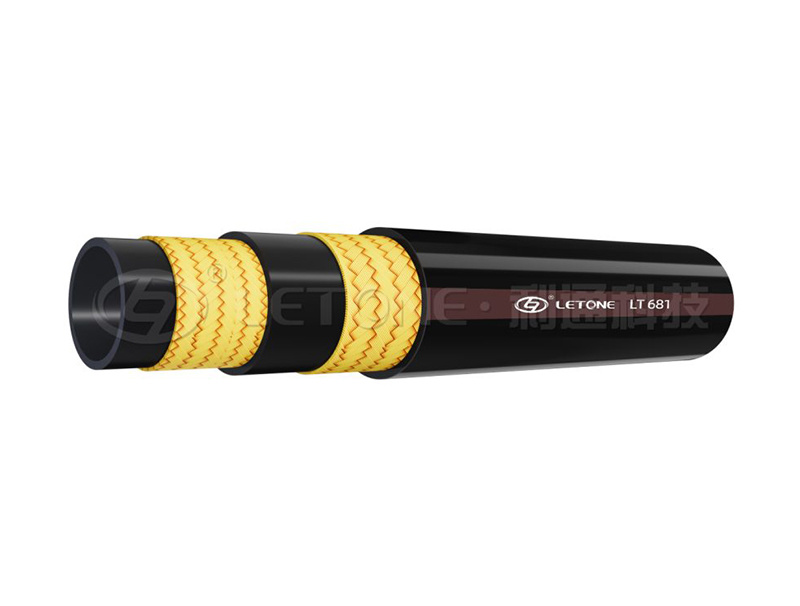
Wire braided hydraulic hose pipes are designed to manage high-pressure fluids in hydraulic systems. These hoses are constructed using a combination of synthetic rubber and reinforced wires, offering durability and flexibility. The wire braiding provides added strength, allowing the hoses to withstand extreme pressure and ensure longevity.
Components of Wire Braided Hydraulic Hose Pipes
To appreciate the significance of choosing the right wire braided hydraulic hose, it's essential to understand its components:
1. **Inner Tube**: The inner layer is made of synthetic rubber, designed to resist the fluids that pass through it.
2. **Reinforcement Layer**: This layer consists of braided steel wires, providing the hose with its strength and resistance to bursting.
3. **Outer Cover**: The outer layer protects against environmental factors, such as abrasion, heat, and chemicals.
Types of Wire Braided Hydraulic Hoses
There are various types of wire braided hydraulic hoses, each suited for specific applications:
- **Single Wire Braided Hoses**: Typically employed in applications with moderate pressure, these hoses are flexible and easy to install.
- **Double Wire Braided Hoses**: Designed for high-pressure applications, these hoses offer enhanced strength and durability.
- **High-Temperature Hoses**: Suitable for extreme temperature conditions, these hoses utilize special materials to withstand heat.
Key Factors to Consider When Choosing Wire Braided Hydraulic Hoses
Selecting the correct wire braided hydraulic hose pipe involves several critical factors:
1. Pressure Rating
It's imperative to choose a hose that can handle the maximum pressure your system will experience. The pressure rating is typically listed in pounds per square inch (PSI). Always opt for a hose with a higher rating than your system's maximum pressure to ensure safety and reliability.
2. Fluid Compatibility
Different hydraulic fluids have varying chemical compositions. Ensure that the inner tube material of the hydraulic hose is compatible with the type of fluid it will transport to prevent degradation and leaks.
3. Temperature Resistance
Consider the operating temperature range of your hydraulic system. High-temperature hoses are essential for systems operating in extreme conditions, while standard hoses may suffice for less demanding applications.
4. Bend Radius
Every hose has a minimum bend radius, which indicates how tightly the hose can be bent without damaging it. Choosing a hose with a suitable bend radius ensures smooth operation and longevity.
5. Length and Fittings
Measure the distance between your hydraulic components accurately, and ensure you select a hose of appropriate length. Additionally, consider the types of fittings required for seamless connections.
The Importance of Quality in Wire Braided Hydraulic Hoses
When it comes to hydraulic hoses, **quality** matters. Low-quality hoses may save money upfront but can lead to failures, costly downtime, and safety hazards. Investing in high-quality wire braided hydraulic hoses ensures:
- Enhanced durability and longevity.
- Better performance under extreme conditions.
- Lower maintenance costs over time.
- Increased safety for operators and equipment.
Common Applications of Wire Braided Hydraulic Hoses
Understanding where and how wire braided hydraulic hoses are utilized can highlight their importance:
1. Construction Machinery
In construction, hydraulic hoses are vital for machinery such as excavators, loaders, and bulldozers, where they manage high-pressure fluid systems for lifting and moving heavy materials.
2. Agricultural Equipment
Tractors and other agricultural machinery rely on hydraulic systems for various functions, including steering and lifting. The reliability of wire braided hydraulic hoses is crucial for productivity in farming operations.
3. Automotive Systems
Hydraulic hoses are integral to automotive braking systems, power steering, and suspension systems. The right hose ensures safety and responsiveness during operation.
4. Industrial Manufacturing
Factories and manufacturing facilities use hydraulic systems for automation and assembly processes. Choosing the right hose enhances efficiency and minimizes downtime due to failures.
Maintenance Tips for Wire Braided Hydraulic Hoses
To maximize the lifespan and performance of your wire braided hydraulic hoses, proper maintenance is essential:
1. Regular Inspections
Conduct routine inspections to identify wear and tear, leaks, or damage. Early detection of issues can prevent catastrophic failures.
2. Cleanliness
Ensure that the hoses and connections are kept clean to prevent contamination of the hydraulic fluid, which can lead to performance issues.
3. Avoid Overbending
Respect the minimum bend radius of your hoses to prevent kinking and damage. Proper installation can help avoid unnecessary stress on the hoses.
4. Temperature Management
Monitor the operating temperatures of your hydraulic systems. If temperatures exceed the specifications of the hose, consider upgrading to a hose designed for high-temperature applications.
Common Misconceptions About Wire Braided Hydraulic Hoses
Several myths surround wire braided hydraulic hoses that can lead to poor choices:
1. All Hoses Are the Same
Many assume that all hydraulic hoses can handle any application. However, each hose has unique specifications that determine its suitability.
2. Higher Price Equals Higher Quality
While pricing can reflect quality, it’s not a definitive indicator. Always verify specifications and material quality rather than relying on price alone.
3. Only Size Matters
Many believe that only the diameter of the hose is important. However, factors like pressure rating, temperature resistance, and compatibility with fluids are equally critical.
FAQs About Wire Braided Hydraulic Hose Pipes
1. What is the typical lifespan of wire braided hydraulic hoses?
The lifespan can vary based on usage, environment, and maintenance, but high-quality hoses can last several years with proper care.
2. How can I tell if my hydraulic hose needs replacing?
Look for signs of wear, such as cracks, leaks, or bulges. If you notice any of these, it’s time to consider a replacement.
3. Can wire braided hydraulic hoses be repaired?
In some cases, minor damage can be repaired, but it’s often safer and more cost-effective to replace a damaged hose entirely.
4. What fluids can wire braided hydraulic hoses transport?
These hoses can transport various hydraulic fluids, including oils and water-based fluids, as long as they are compatible with the hose material.
5. Are there regulations governing hydraulic hoses?
Yes, various industry standards and regulations exist to ensure the safety and reliability of hydraulic hoses. Always consult these standards when selecting hoses for your applications.
Conclusion
Selecting the right wire braided hydraulic hose pipe is a significant decision that impacts the efficiency and safety of hydraulic systems across various industries. By understanding the key factors, applications, and maintenance tips outlined in this article, you can make informed choices that enhance the performance and reliability of your hydraulic systems. Quality matters, and investing in the right hose will pay dividends in the long run.
Contact Us
E-mail :
admin@lionflex.cn
Mobile:
+86-15921166698
Address:
Hangzhou Xiaoshan District Heshang Town Daqiao Industrial Zone

Mobile: +86-15921166698
website: www.lion-hydraulic.com
Adress: Hangzhou Xiaoshan District Heshang Town Daqiao Industrial Zone

Request Quote