Provide high-quality standard hydraulic component products to global customers.

Understanding Wire Braided Hydraulic Hose Pipes: Essential Insights for Professionals
Aug 29,2025
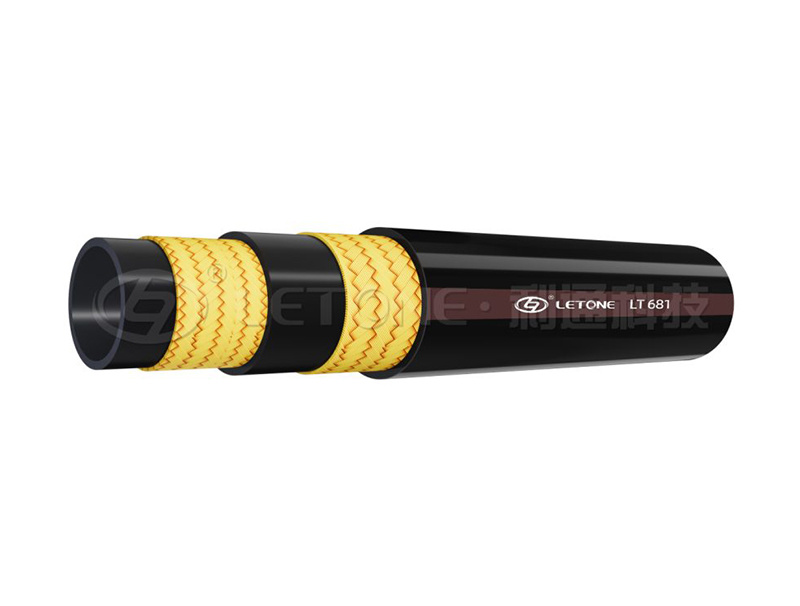
Wire braided hydraulic hose pipes are integral components in various industries, particularly in construction and decorative materials. These hoses are designed to withstand high pressure and are often used in hydraulic systems where fluid transfer is essential. Understanding their construction and functionality can help professionals make informed decisions when selecting materials for their projects.
The primary feature of wire braided hydraulic hoses is their construction. Typically, they consist of an inner tube, a braided layer of wire, and an outer cover. The inner tube is made from synthetic rubber or thermoplastic, which provides flexibility and resistance to various fluids. The wire braiding, usually made from steel or other durable metals, adds strength and resilience, allowing the hose to handle high-pressure environments. Finally, the outer cover protects against environmental factors like abrasion, weather, and chemicals, ensuring long-term durability.
Wire braided hydraulic hoses are commonly used in applications requiring significant pressure, such as hydraulic machinery, agricultural equipment, and construction vehicles. They are particularly beneficial in situations where flexibility and strength are paramount. For instance, in construction settings, these hoses can facilitate the operation of cranes, excavators, and other heavy machinery, ensuring efficient and safe operations.
When selecting wire braided hydraulic hose pipes, several factors should be considered. First, it is crucial to assess the operating pressure and temperature of the fluid being transferred. Each hose is rated for specific pressure limits, and exceeding these can lead to failures and safety hazards. Additionally, the compatibility of the hose material with the fluid is essential to prevent degradation over time. For instance, certain chemicals can corrode rubber or thermoplastic materials, compromising the hose's integrity.
Another critical aspect is the diameter of the hose, which affects flow rates. Professionals must choose a diameter that meets the requirements of their hydraulic system while ensuring that it fits well with existing fittings and connectors. The length of the hose is also important; a longer hose can introduce additional pressure losses and may require more careful routing to avoid kinks or damage.
In summary, wire braided hydraulic hose pipes are vital for many applications in the construction and decorative materials industry. Their robust construction allows them to perform under high pressure while providing flexibility and durability. By understanding their features and the important factors to consider when selecting hoses, professionals can ensure optimal performance and safety in their hydraulic systems.
The primary feature of wire braided hydraulic hoses is their construction. Typically, they consist of an inner tube, a braided layer of wire, and an outer cover. The inner tube is made from synthetic rubber or thermoplastic, which provides flexibility and resistance to various fluids. The wire braiding, usually made from steel or other durable metals, adds strength and resilience, allowing the hose to handle high-pressure environments. Finally, the outer cover protects against environmental factors like abrasion, weather, and chemicals, ensuring long-term durability.
Wire braided hydraulic hoses are commonly used in applications requiring significant pressure, such as hydraulic machinery, agricultural equipment, and construction vehicles. They are particularly beneficial in situations where flexibility and strength are paramount. For instance, in construction settings, these hoses can facilitate the operation of cranes, excavators, and other heavy machinery, ensuring efficient and safe operations.
When selecting wire braided hydraulic hose pipes, several factors should be considered. First, it is crucial to assess the operating pressure and temperature of the fluid being transferred. Each hose is rated for specific pressure limits, and exceeding these can lead to failures and safety hazards. Additionally, the compatibility of the hose material with the fluid is essential to prevent degradation over time. For instance, certain chemicals can corrode rubber or thermoplastic materials, compromising the hose's integrity.
Another critical aspect is the diameter of the hose, which affects flow rates. Professionals must choose a diameter that meets the requirements of their hydraulic system while ensuring that it fits well with existing fittings and connectors. The length of the hose is also important; a longer hose can introduce additional pressure losses and may require more careful routing to avoid kinks or damage.
In summary, wire braided hydraulic hose pipes are vital for many applications in the construction and decorative materials industry. Their robust construction allows them to perform under high pressure while providing flexibility and durability. By understanding their features and the important factors to consider when selecting hoses, professionals can ensure optimal performance and safety in their hydraulic systems.
PREVIOUS:
Contact Us
E-mail :
admin@lionflex.cn
Mobile:
+86-15921166698
Address:
Hangzhou Xiaoshan District Heshang Town Daqiao Industrial Zone

Mobile: +86-15921166698
website: www.lion-hydraulic.com
Adress: Hangzhou Xiaoshan District Heshang Town Daqiao Industrial Zone

Request Quote