Provide high-quality standard hydraulic component products to global customers.

The Importance of Quality in Braided Hydraulic Hose Manufacturing: Ensuring Performance and Safety
Sep 01,2025
The Importance of Quality in Braided Hydraulic Hose Manufacturing
In the world of industrial applications, the quality of components directly affects overall performance and safety. This is particularly true for braided hydraulic hoses, which are essential in transmitting pressurized fluids in a variety of systems, from construction machinery to aerospace technologies. In this article, we will delve deep into the significance of quality in braided hydraulic hose manufacturing, highlighting the factors that contribute to superior products and the implications of subpar manufacturing processes.
Understanding Braided Hydraulic Hoses
Before we explore the importance of quality, let's take a closer look at what braided hydraulic hoses are and their role in industrial applications.
What Are Braided Hydraulic Hoses?
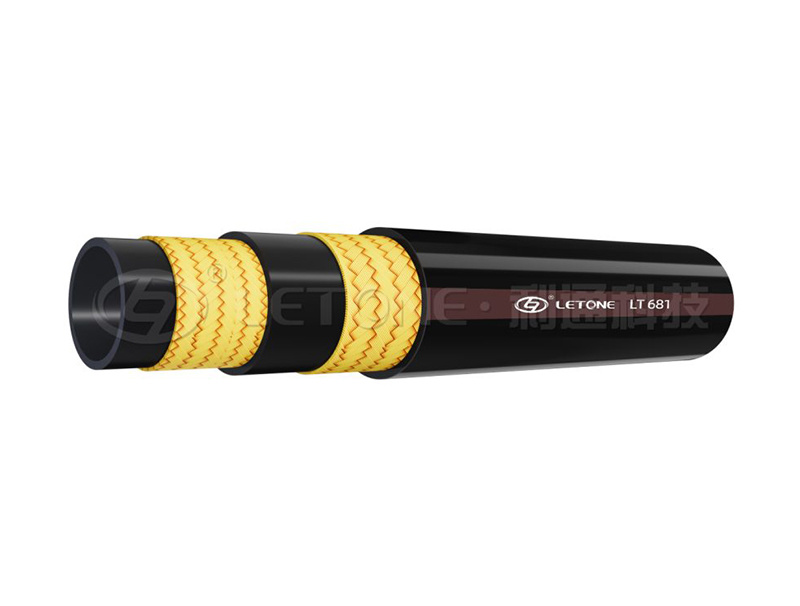
Braided hydraulic hoses are high-pressure hoses made from various materials, typically featuring one or more layers of braided reinforcement. This design allows them to withstand intense pressures and resist abrasion, making them suitable for conveying hydraulic fluids in demanding environments.
Key Components of Braided Hydraulic Hoses
The construction of braided hydraulic hoses includes several critical components:
- Inner Tube: The innermost layer, designed to carry the hydraulic fluid.
- Reinforcement Layer: Usually made from steel or synthetic fibers, this layer provides strength and flexibility.
- Outer Cover: The protective layer that shields the hose from environmental factors and wear.
Why Quality Matters in Manufacturing Braided Hydraulic Hoses
Quality in the manufacturing process of braided hydraulic hoses is non-negotiable. High-quality hoses ensure durability, safety, and reliability, which are crucial in preventing accidents and costly downtime in industrial operations.
Performance and Reliability
One of the primary benefits of investing in quality braided hydraulic hoses is enhanced performance. These hoses are engineered to manage high pressures and temperatures, ensuring they function optimally under stress. Reliable hoses mitigate risks associated with pressure fluctuations and potential failures, which can lead to catastrophic accidents.
Safety Implications
Substandard hydraulic hoses can lead to leaks, bursts, and equipment failures, posing serious safety hazards to workers and machinery. Quality manufacturing processes incorporate stringent testing and compliance with industry standards, which are essential for ensuring the safety of both personnel and equipment.
Industry Standards and Compliance
Adhering to industry standards, such as those set by the International Organization for Standardization (ISO) and the Society of Automotive Engineers (SAE), is vital in the manufacturing of braided hydraulic hoses. Compliance with these rigorous standards guarantees that the hoses meet safety and reliability benchmarks, further highlighting the importance of quality in production.
Components of Quality in Braided Hydraulic Hose Manufacturing
The quality of braided hydraulic hoses depends on several interrelated factors, each contributing to the final product’s performance and reliability.
Material Selection
High-quality hoses start with the right materials. Manufacturers must select superior rubber compounds and high-tensile strength materials for reinforcement. The choice of materials directly influences the hose's durability, flexibility, and ability to withstand extreme conditions.
Manufacturing Processes
The methods used in manufacturing braided hydraulic hoses play a crucial role in determining their quality. Advanced manufacturing techniques, such as precision extrusion and automated braiding, ensure consistent quality and performance across all products. These processes allow for more accurate control over the hose dimensions and properties.
Quality Control Measures
Implementing rigorous quality control measures throughout the manufacturing process is essential. This includes thorough testing of raw materials, in-process inspections, and final product evaluations. Quality assurance protocols help identify defects early, ensuring that only top-performing hoses reach the market.
Common Challenges in Braided Hydraulic Hose Manufacturing
While quality is paramount, manufacturers of braided hydraulic hoses face several challenges that can impact production and end results.
Variability in Raw Materials
Inconsistent quality in raw materials can lead to variations in the final product. It’s crucial for manufacturers to establish reliable relationships with suppliers to ensure a steady supply of high-quality materials.
Technological Advancements
The rapid pace of technological change means that manufacturers must continually adapt their processes to incorporate new advancements. Staying ahead of the curve often requires significant investment in training and equipment, which can be a barrier for some companies.
Regulatory Compliance
Meeting regulatory requirements can be a complex and resource-intensive process. Manufacturers must keep abreast of changes in industry standards and ensure their products comply with all relevant regulations to avoid legal issues and maintain market competitiveness.
Benefits of High-Quality Braided Hydraulic Hoses
Investing in high-quality braided hydraulic hoses yields numerous benefits that go beyond mere performance.
Enhanced Durability
Quality hoses are designed to endure harsh environments and extended use without degrading, leading to lower replacement costs and reduced downtime for businesses.
Increased Efficiency
High-quality hoses can improve the efficiency of hydraulic systems by ensuring optimal fluid flow, which is essential for maintaining system pressure and performance.
Long-Term Cost Savings
While high-quality braided hydraulic hoses may come with a higher upfront cost, their durability and reliability often translate into significant long-term savings. Reduced maintenance, fewer replacements, and enhanced productivity contribute to a better return on investment.
Choosing the Right Manufacturer for Braided Hydraulic Hoses
When seeking braided hydraulic hoses, selecting a reliable manufacturer is crucial. Here are some tips for making an informed choice:
Research Manufacturer Credentials
Investigate potential manufacturers to ensure they have a strong reputation for quality and reliability. Look for certifications and industry recognition that demonstrate their commitment to excellence.
Evaluate Product Offerings
Review the range of products offered by potential manufacturers. A diverse portfolio suggests expertise and the ability to meet varied customer needs.
Request Samples and Test Results
Don’t hesitate to request product samples and testing results. Evaluating samples allows you to assess the quality firsthand and make a more informed decision.
FAQs about Braided Hydraulic Hoses
1. What materials are commonly used in braided hydraulic hoses?
Common materials include synthetic rubber for the inner tube, steel wire or synthetic fibers for reinforcement, and rubber or thermoplastic for the outer cover. The choice of materials affects the hose's strength and flexibility.
2. How do I determine the right hose for my application?
To select the appropriate braided hydraulic hose, consider factors such as operating pressure, temperature, fluid type, and the environmental conditions the hose will face.
3. What are the signs of wear in braided hydraulic hoses?
Common signs of wear include visible cracks, bulges, abrasions, and leaks. Regular inspection is crucial to catch these issues early and prevent failures.
4. How often should hydraulic hoses be replaced?
Replacement frequency depends on usage and environmental conditions. Regular inspections should guide replacement schedules, ensuring safety and performance are maintained.
5. Can I use braided hydraulic hoses for different fluids?
While some hoses are designed for specific fluids, many braided hydraulic hoses can handle various hydraulic fluids. Always consult the manufacturer's specifications to ensure compatibility.
Conclusion
The significance of quality in braided hydraulic hose manufacturing cannot be overstated. High-quality hoses enhance performance, ensure safety, and contribute to long-term cost savings for businesses across various industries. By understanding the components of quality, the challenges manufacturers face, and the benefits of selecting a reputable manufacturer, companies can make informed decisions that ultimately lead to improved operational efficiency and safety. Investing in quality braided hydraulic hoses is an investment in the longevity and reliability of industrial systems, paving the way for success in a competitive marketplace.
Contact Us
E-mail :
admin@lionflex.cn
Mobile:
+86-15921166698
Address:
Hangzhou Xiaoshan District Heshang Town Daqiao Industrial Zone

Mobile: +86-15921166698
website: www.lion-hydraulic.com
Adress: Hangzhou Xiaoshan District Heshang Town Daqiao Industrial Zone

Request Quote