Provide high-quality standard hydraulic component products to global customers.

The Importance of Pressure Ratings in Braided Pressure Washer Hoses
Feb 13,2026
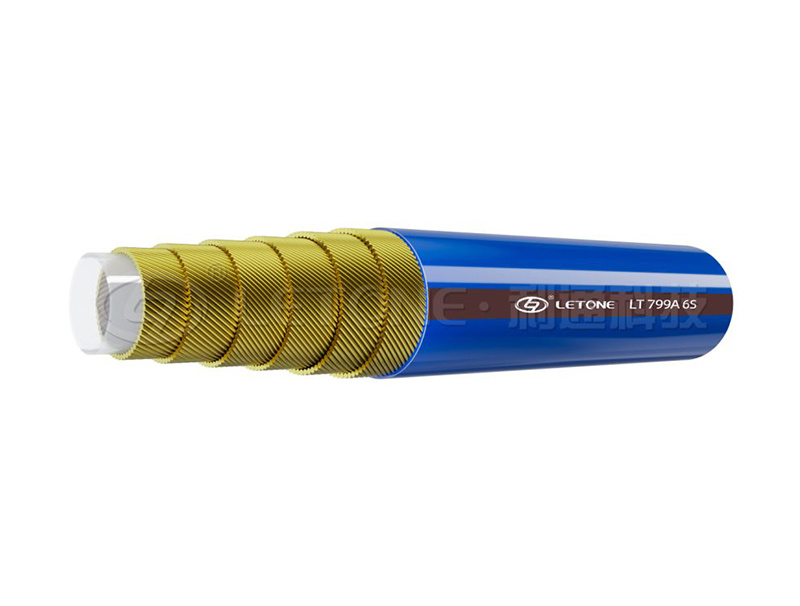
The Importance of Pressure Ratings in Braided Pressure Washer Hoses
Table of Contents
- What Are Pressure Ratings?
- Why Pressure Ratings Matter in Pressure Washer Hoses
- Understanding Braided Pressure Washer Hoses
- How Pressure Ratings Affect Performance
- Safety Considerations of Using Pressure Washer Hoses
- Choosing the Right Hose Based on Pressure Ratings
- Maintenance Tips for Pressure Washer Hoses
- Frequently Asked Questions
What Are Pressure Ratings?
Pressure ratings are critical indicators that define the maximum pressure a hose can safely handle without failure. Measured in PSI (pounds per square inch), these ratings help users understand the capabilities and limitations of their pressure washer hoses. Braided pressure washer hoses are designed to withstand high pressures due to their reinforced construction, which often includes layers of braided material that provide added strength and durability.
Why Pressure Ratings Matter in Pressure Washer Hoses
Understanding pressure ratings is essential for several reasons:
1. Ensuring Optimal Performance
Using a pressure washer hose with an appropriate pressure rating for your specific tasks ensures optimal performance. If the hose cannot handle the required pressure, it may lead to reduced cleaning efficiency and could cause damage to both the hose and the pressure washer unit.
2. Preventing Hose Failure
A hose that operates beyond its pressure rating is at high risk of bursting or leaking. This can lead to accidents, injuries, and costly repairs. Therefore, adhering to the specified pressure ratings is crucial for safe operation.
3. Enhancing Longevity
Using the correct pressure-rated hose can enhance its longevity. Hoses that are frequently over-pressurized tend to degrade faster, leading to premature wear and tear.
4. Protecting Equipment
Using a hose with suitable pressure ratings protects your pressure washer from potential damages. Pressure washers often have specific requirements for hose types and ratings, and using the wrong hose can void warranties and lead to unnecessary repairs.
Understanding Braided Pressure Washer Hoses
Braided pressure washer hoses are specifically engineered to handle high-pressure applications. The braid, typically made from materials like nylon or steel, enhances the hose's strength and flexibility. This construction allows the hose to maintain its integrity even under intense pressure.
Types of Braided Pressure Washer Hoses
There are several types of braided pressure washer hoses available, including:
1. PVC Braided Hoses
PVC hoses are lightweight and affordable, making them suitable for light-duty applications. However, they typically have lower pressure ratings compared to rubber or steel-braided hoses.
2. Rubber Braided Hoses
Rubber hoses offer flexibility and durability. They are often used in commercial settings due to their higher pressure ratings and resistance to wear.
3. Steel-Braided Hoses
These hoses are engineered for extreme conditions. The steel braiding provides an added level of strength and is ideal for heavy-duty industrial applications.
How Pressure Ratings Affect Performance
The performance of your pressure washer depends significantly on the pressure ratings of the hose being used. Here's how:
1. Cleaning Efficiency
Higher pressure ratings allow for more effective cleaning. A hose that can withstand higher pressures can deliver a more powerful jet of water, resulting in better dirt and grime removal.
2. Compatibility with Equipment
Using a pressure washer hose with the right pressure rating ensures compatibility with your pressure washer. This compatibility is vital for achieving the desired performance and avoiding equipment damage.
3. Operational Versatility
Hoses with higher pressure ratings tend to be more versatile, allowing users to tackle a wider range of cleaning tasks, from residential to commercial applications.
Safety Considerations of Using Pressure Washer Hoses
Safety should always be a priority when using pressure washer hoses. Here are some important considerations:
1. Regular Inspections
Conduct regular inspections of your braided pressure washer hoses for any signs of wear, such as cracks, fraying, or leaks. Regular maintenance can help prevent accidents and ensure safe operation.
2. Following Manufacturer Guidelines
Always adhere to the manufacturer's guidelines regarding pressure ratings. Using hoses beyond their specifications can lead to dangerous situations.
3. Proper Storage
Store your hoses in a dry, cool place to prevent damage from UV rays or extreme temperatures. Proper storage can extend the life of your hose and maintain safety standards.
Choosing the Right Hose Based on Pressure Ratings
Selecting the right braided pressure washer hose involves understanding your specific needs and the tasks you intend to perform. Here are some key factors to consider:
1. Identify Your Cleaning Tasks
Consider the types of surfaces you’ll be cleaning and the level of grime involved. Higher pressure ratings are necessary for heavy-duty tasks, whereas lighter jobs may require hoses with lower ratings.
2. Match Hose Specifications with Equipment
Ensure that the hose's pressure rating matches or exceeds that of your pressure washer. This compatibility is crucial for safe and effective operation.
3. Consider Hose Length
Longer hoses can offer more flexibility during use but may reduce pressure slightly. Always balance the need for length with the required pressure rating.
Maintenance Tips for Pressure Washer Hoses
To ensure your braided pressure washer hoses remain in optimal condition, follow these maintenance tips:
1. Clean After Use
After each use, thoroughly rinse the hose to remove any detergent or debris that may cause damage over time.
2. Avoid Kinks and Pinches
When using the hose, avoid kinking or pinching, as this can lead to weak spots that may fail under pressure.
3. Store Properly
Roll up your hoses neatly and store them in a designated area, avoiding sharp edges or extreme temperatures that might cause degradation.
Frequently Asked Questions
1. What is the typical pressure rating for braided pressure washer hoses?
Most braided pressure washer hoses have pressure ratings ranging from 3,000 PSI to over 6,000 PSI, depending on the application and construction materials.
2. Can I use a lower-rated hose with a high-pressure washer?
No, using a lower-rated hose with a higher-pressure washer can lead to hose failure, leaks, or even injuries. Always match the hose rating to your pressure washer’s specifications.
3. How can I tell if my pressure washer hose is damaged?
Look for visible signs of wear, such as cracks, discoloration, or leaks. If you notice any of these, it’s time to replace the hose.
4. Is it safe to use a pressure washer hose in extreme temperatures?
Most hoses are rated for specific temperature ranges. Using hoses outside of these ranges can lead to damage. Always check the manufacturer’s specifications.
5. What maintenance is required for braided pressure washer hoses?
Regularly inspect the hose, clean it after use, store it properly, and avoid kinks to prolong its life and ensure safe operation.
Conclusion
Understanding the importance of pressure ratings in braided pressure washer hoses is crucial for anyone looking to achieve efficient and safe cleaning results. By selecting the correct hose based on pressure ratings, maintaining it properly, and adhering to safety guidelines, you can enhance the performance of your pressure washer while ensuring your safety and the longevity of your equipment. Invest the time to choose wisely, and you will enjoy the benefits of a reliable and efficient pressure washing experience.
Contact Us
E-mail :
admin@lionflex.cn
Mobile:
+86-15921166698
Address:
Hangzhou Xiaoshan District Heshang Town Daqiao Industrial Zone

Mobile: +86-15921166698
website: www.lion-hydraulic.com
Adress: Hangzhou Xiaoshan District Heshang Town Daqiao Industrial Zone

Request Quote