Provide high-quality standard hydraulic component products to global customers.

Understanding Offshore Oil Rig Hoses: Essential Insights for Professionals
Feb 18,2026
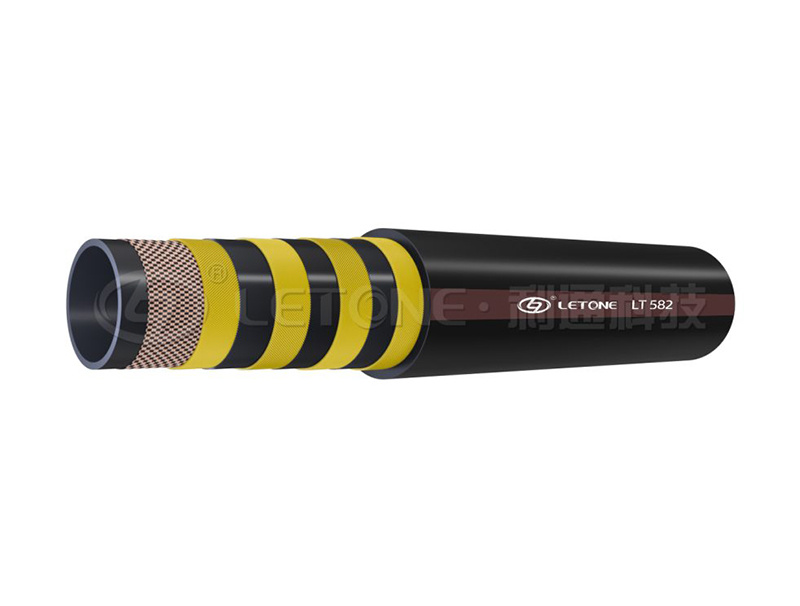
Offshore oil rig hoses are critical components in the oil and gas extraction industry, particularly in offshore operations. These specialized hoses are designed to transport fluids, such as crude oil, water, and gas, safely and efficiently from the seabed to the surface and onto the waiting vessels or storage facilities. Understanding the features and specifications of these hoses can significantly impact the efficiency and safety of offshore operations.
One of the main types of offshore oil rig hoses is the floating hose, which is often used in offshore transfer operations. Floating hoses are buoyant and can withstand the harsh marine environment, allowing them to remain on the surface while transporting large volumes of fluids. Another common type is the submerged hose, which is typically used for loading or unloading at the seabed. These hoses are designed to operate under high pressure and are built to be resistant to various environmental factors, including abrasion, chemicals, and extreme temperatures.
When it comes to the maintenance of offshore oil rig hoses, regular inspections and timely replacements are vital. Professionals in the field should be aware of the signs of wear and tear, such as cracks, abrasions, or bulges in the hose material. Implementing a rigorous maintenance schedule ensures that hoses operate at peak efficiency, minimizes the risk of leaks, and enhances overall safety on the rig. Additionally, it is crucial to follow industry standards and guidelines when selecting and installing hoses to ensure they meet the operational requirements of the specific offshore environment.
Safety considerations are paramount when working with offshore oil rig hoses. The transportation of potentially hazardous materials necessitates that all personnel are trained in emergency response procedures and the proper handling of hoses. The use of protective gear, adherence to safety protocols, and regular safety drills can help mitigate risks associated with hose failure or fluid spills.
In summary, offshore oil rig hoses play a vital role in the oil and gas industry, and understanding their types, functions, and maintenance requirements is essential for professionals in the construction and decoration materials sector. By prioritizing safety and efficiency, companies can ensure that their offshore operations run smoothly, effectively minimizing environmental risks and enhancing productivity.
One of the main types of offshore oil rig hoses is the floating hose, which is often used in offshore transfer operations. Floating hoses are buoyant and can withstand the harsh marine environment, allowing them to remain on the surface while transporting large volumes of fluids. Another common type is the submerged hose, which is typically used for loading or unloading at the seabed. These hoses are designed to operate under high pressure and are built to be resistant to various environmental factors, including abrasion, chemicals, and extreme temperatures.
When it comes to the maintenance of offshore oil rig hoses, regular inspections and timely replacements are vital. Professionals in the field should be aware of the signs of wear and tear, such as cracks, abrasions, or bulges in the hose material. Implementing a rigorous maintenance schedule ensures that hoses operate at peak efficiency, minimizes the risk of leaks, and enhances overall safety on the rig. Additionally, it is crucial to follow industry standards and guidelines when selecting and installing hoses to ensure they meet the operational requirements of the specific offshore environment.
Safety considerations are paramount when working with offshore oil rig hoses. The transportation of potentially hazardous materials necessitates that all personnel are trained in emergency response procedures and the proper handling of hoses. The use of protective gear, adherence to safety protocols, and regular safety drills can help mitigate risks associated with hose failure or fluid spills.
In summary, offshore oil rig hoses play a vital role in the oil and gas industry, and understanding their types, functions, and maintenance requirements is essential for professionals in the construction and decoration materials sector. By prioritizing safety and efficiency, companies can ensure that their offshore operations run smoothly, effectively minimizing environmental risks and enhancing productivity.
Contact Us
E-mail :
admin@lionflex.cn
Mobile:
+86-15921166698
Address:
Hangzhou Xiaoshan District Heshang Town Daqiao Industrial Zone

Mobile: +86-15921166698
website: www.lion-hydraulic.com
Adress: Hangzhou Xiaoshan District Heshang Town Daqiao Industrial Zone

Request Quote