Provide high-quality standard hydraulic component products to global customers.

How to Choose the Right Hydraulic Hose for Coal Mining Applications
Feb 23,2026
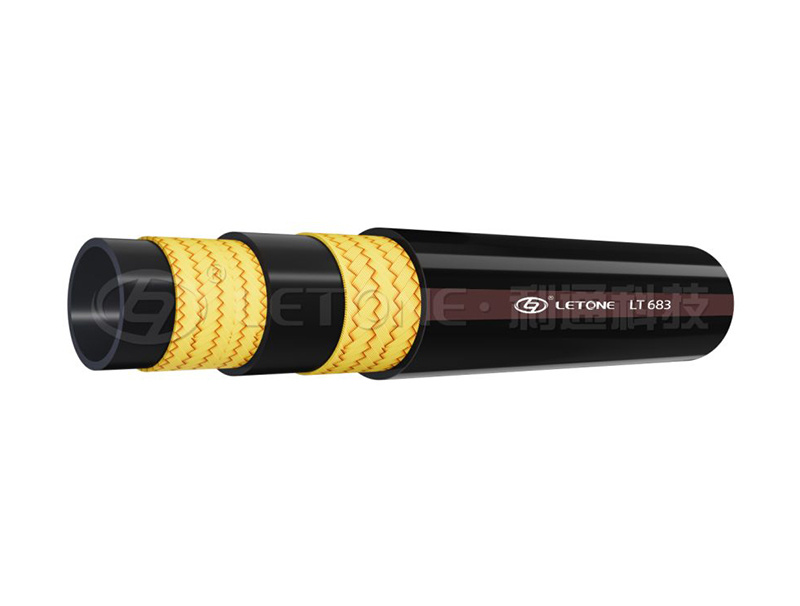
How to Choose the Right Hydraulic Hose for Coal Mining Applications
Coal mining is a critical industry that relies heavily on various hydraulic systems to operate machinery efficiently. One of the most crucial components of these systems is the hydraulic hose. Selecting the right hydraulic hose can significantly impact the productivity and safety of mining operations. In this article, we will guide you through the essential considerations for choosing the most suitable hydraulic hose for coal mining applications.
Understanding the Importance of Hydraulic Hoses in Coal Mining
Hydraulic hoses serve as the lifeline of coal mining machinery. They transport hydraulic fluid under high pressure to power critical components, such as excavators, loaders, and conveyor belts. The right hydraulic hose ensures that these machines function properly, minimizing downtime and maximizing productivity. A poor choice can lead to leaks, failures, and even accidents, making it imperative to choose wisely.
Key Factors to Consider When Choosing Hydraulic Hoses
Choosing the right hydraulic hose involves several critical factors, including material composition, pressure rating, temperature range, and compatibility with hydraulic fluids. Below, we break down these aspects to help you make an informed decision.
1. Hose Material Composition
The material of the hydraulic hose is fundamental to its performance and longevity. Common materials include:
Rubber
Rubber hoses are flexible and lightweight, making them easy to handle. They are ideal for low-pressure applications but may not withstand harsh environmental conditions typically found in coal mining.
Thermoplastic
Thermoplastic hoses offer higher resistance to abrasion, chemicals, and extreme temperatures. They are suitable for high-pressure applications, making them a versatile option for coal mining.
Metal Reinforced
Metal-reinforced hoses are highly durable and can handle extreme conditions. They are ideal for heavy-duty applications but are less flexible than rubber or thermoplastic hoses.
2. Pressure Rating
The pressure rating of a hydraulic hose indicates its ability to withstand pressure without bursting. It is essential to ensure that the hose's pressure rating exceeds the maximum pressure of the hydraulic system in which it will be used. In coal mining, where machinery operates under high pressure, selecting a hose with an appropriate pressure rating is crucial for safety and reliability.
3. Temperature Range
Hydraulic hoses are exposed to varying temperatures based on environmental conditions and the fluids they carry. It is essential to select a hose that can withstand both high and low temperatures without compromising its integrity. In coal mining, where equipment may operate in extreme conditions, understanding the temperature range is vital.
4. Fluid Compatibility
Different hydraulic fluids have varying chemical compositions, and some hoses may not be compatible with specific fluids. It is crucial to consult the manufacturer's specifications to ensure that the hydraulic hose can handle the type of fluid used in your coal mining operations.
5. Bend Radius
The bend radius refers to the minimum diameter a hose can be bent without compromising its integrity. In coal mining applications, where space may be limited, selecting a hose with a suitable bend radius is important to avoid kinking and damage.
Best Practices for Selecting Hydraulic Hoses
When choosing hydraulic hoses for coal mining applications, adhering to best practices can enhance safety and performance. Here are some recommendations:
1. Consult with Experts
Engaging with professionals who specialize in hydraulic systems can provide valuable insights. They can help you assess your specific needs and recommend the most appropriate hydraulic hoses for your machinery.
2. Review Manufacturer Specifications
Always refer to the manufacturer’s specifications for the hydraulic hose and the equipment it will be used with. This ensures compatibility and maximizes performance.
3. Perform Regular Inspections
Conduct regular inspections of hydraulic hoses to identify wear and tear. Early detection of leaks or damage can prevent catastrophic failures and enhance safety.
4. Keep Up with Industry Standards
Stay informed about the latest industry standards and regulations regarding hydraulic hoses and systems. Compliance with these standards is essential for safety and operational efficiency.
5. Consider Custom Solutions
In some cases, off-the-shelf hydraulic hoses may not meet the unique requirements of a coal mining operation. Custom solutions may offer better performance and durability, tailored to the specific conditions of your mining site.
Common Mistakes to Avoid When Choosing Hydraulic Hoses
While selecting hydraulic hoses, it's easy to make mistakes that can affect performance. Here are some common pitfalls to avoid:
1. Overlooking Pressure Specifications
Failing to consider the pressure requirements of your hydraulic system can lead to hose failure. Always select hoses with a pressure rating that exceeds the maximum pressure in your system.
2. Ignoring Environmental Factors
Coal mining environments are often harsh, with exposure to extreme temperatures and chemicals. Ignoring these factors can result in premature hose failure.
3. Choosing Incompatible Materials
Selecting hoses made from materials that are not compatible with the hydraulic fluid can lead to degradation and leaks. Always check compatibility before making a purchase.
Frequently Asked Questions (FAQs)
1. How do I determine the right size of hydraulic hose for my application?
To determine the right size, consider the flow rate requirements of your hydraulic system and consult manufacturer guidelines for sizing.
2. What is the lifecycle of a hydraulic hose in coal mining applications?
The lifecycle of a hydraulic hose can vary based on usage, environmental conditions, and maintenance practices, but regular inspections can extend its life significantly.
3. Can I repair a damaged hydraulic hose?
While some damages can be repaired, it is often safer and more reliable to replace the hose, especially in high-pressure applications like coal mining.
4. What are the signs that my hydraulic hose needs replacement?
Look for signs such as leaks, bulges, cracks, or abrasions. If you notice any of these, it’s time to replace the hose.
5. How often should I inspect my hydraulic hoses?
Regular inspections should be conducted at least once a month or more frequently if the hoses are exposed to harsh conditions or heavy usage.
Conclusion
Selecting the right hydraulic hose for coal mining applications is a critical decision that can greatly impact the efficiency and safety of mining operations. By considering factors such as hose material, pressure rating, temperature range, fluid compatibility, and bend radius, you can make informed choices that enhance performance. Engaging with experts, adhering to best practices, and avoiding common mistakes are key to ensuring that your hydraulic systems operate seamlessly. With the right hydraulic hose in place, your coal mining operations will run smoothly, ensuring productivity and safety in this demanding industry.
Contact Us
E-mail :
admin@lionflex.cn
Mobile:
+86-15921166698
Address:
Hangzhou Xiaoshan District Heshang Town Daqiao Industrial Zone

Mobile: +86-15921166698
website: www.lion-hydraulic.com
Adress: Hangzhou Xiaoshan District Heshang Town Daqiao Industrial Zone

Request Quote