Provide high-quality standard hydraulic component products to global customers.

Understanding Offshore Oil Rig Hoses: Essential Insights for Professionals
Apr 09,2026
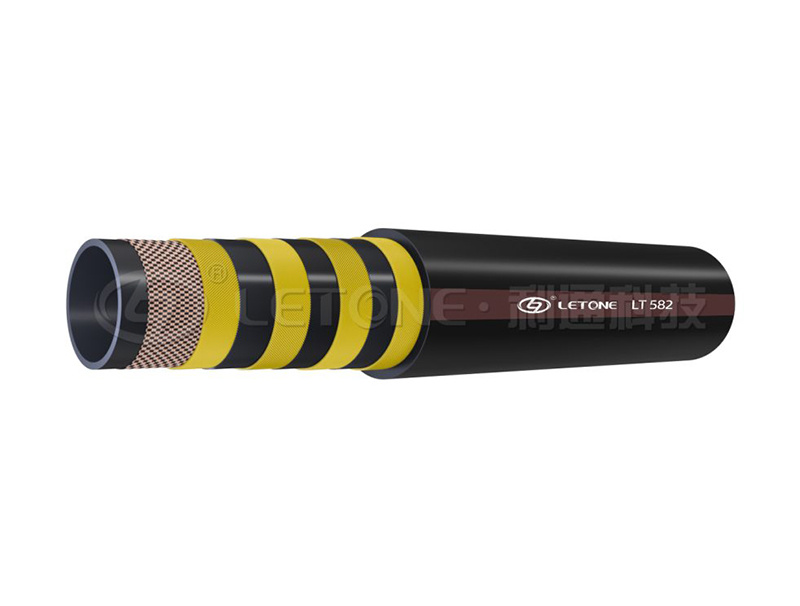
Offshore oil rig hoses are specialized components designed to facilitate the transfer of various fluids, including oil, water, and drilling mud, between different systems on an oil rig. These hoses play a crucial role in maintaining operational efficiency and safety on offshore platforms, where environmental conditions can be harsh and demanding.
One of the primary functions of offshore oil rig hoses is to ensure the safe and efficient transport of hydrocarbons and other fluids. The materials used in manufacturing these hoses are often engineered to withstand extreme pressures and temperatures, ensuring durability and reliability under operational stresses. Common materials include synthetic rubber and thermoplastic composites, which offer excellent resistance to abrasion, chemical exposure, and UV degradation.
Given the importance of these hoses in the offshore oil industry, their design incorporates several key features. For instance, offshore oil rig hoses are typically reinforced with high-tensile strength materials to prevent bursting or failure during operation. Additionally, many hoses are equipped with advanced coupling systems that enable quick connections and disconnections, essential for the dynamic nature of offshore operations.
Another critical consideration in the use of offshore oil rig hoses is compliance with international safety and environmental standards. Operators must ensure that all hoses are certified and tested according to relevant industry regulations, which helps mitigate risks associated with spills and leaks. Regular maintenance and inspection of hoses are also crucial in maintaining their integrity and preventing failures.
In terms of installation and handling, professionals in the field must be well-trained to manage offshore oil rig hoses. Knowledge of proper handling techniques, pressure testing protocols, and routine inspections can significantly enhance the longevity and effectiveness of these essential components. Training programs often emphasize the importance of following manufacturer guidelines and industry best practices to minimize risks.
Overall, offshore oil rig hoses are indispensable in the oil and gas industry, playing a vital role in ensuring the safe and efficient transfer of fluids on offshore platforms. By understanding their construction, application, and maintenance, industry professionals can contribute to enhanced operational safety and efficiency. In a field where performance is critical, having a comprehensive understanding of offshore oil rig hoses is essential for anyone involved in the offshore drilling and production sector.
One of the primary functions of offshore oil rig hoses is to ensure the safe and efficient transport of hydrocarbons and other fluids. The materials used in manufacturing these hoses are often engineered to withstand extreme pressures and temperatures, ensuring durability and reliability under operational stresses. Common materials include synthetic rubber and thermoplastic composites, which offer excellent resistance to abrasion, chemical exposure, and UV degradation.
Given the importance of these hoses in the offshore oil industry, their design incorporates several key features. For instance, offshore oil rig hoses are typically reinforced with high-tensile strength materials to prevent bursting or failure during operation. Additionally, many hoses are equipped with advanced coupling systems that enable quick connections and disconnections, essential for the dynamic nature of offshore operations.
Another critical consideration in the use of offshore oil rig hoses is compliance with international safety and environmental standards. Operators must ensure that all hoses are certified and tested according to relevant industry regulations, which helps mitigate risks associated with spills and leaks. Regular maintenance and inspection of hoses are also crucial in maintaining their integrity and preventing failures.
In terms of installation and handling, professionals in the field must be well-trained to manage offshore oil rig hoses. Knowledge of proper handling techniques, pressure testing protocols, and routine inspections can significantly enhance the longevity and effectiveness of these essential components. Training programs often emphasize the importance of following manufacturer guidelines and industry best practices to minimize risks.
Overall, offshore oil rig hoses are indispensable in the oil and gas industry, playing a vital role in ensuring the safe and efficient transfer of fluids on offshore platforms. By understanding their construction, application, and maintenance, industry professionals can contribute to enhanced operational safety and efficiency. In a field where performance is critical, having a comprehensive understanding of offshore oil rig hoses is essential for anyone involved in the offshore drilling and production sector.
Contact Us
E-mail :
admin@lionflex.cn
Mobile:
+86-15921166698
Address:
Hangzhou Xiaoshan District Heshang Town Daqiao Industrial Zone

Mobile: +86-15921166698
website: www.lion-hydraulic.com
Adress: Hangzhou Xiaoshan District Heshang Town Daqiao Industrial Zone

Request Quote