Provide high-quality standard hydraulic component products to global customers.

The Critical Role of High-Quality Hydraulic Hoses in Coal Mining Operations
Apr 14,2026
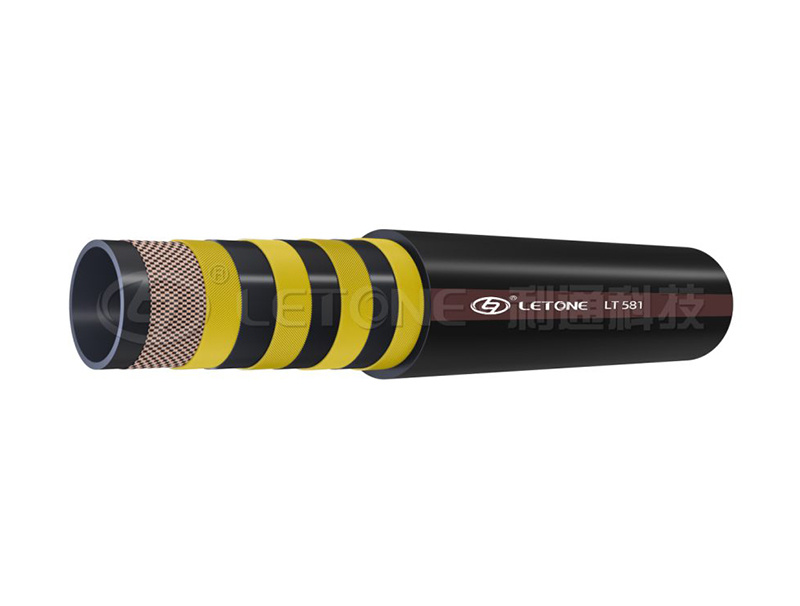
The Critical Role of High-Quality Hydraulic Hoses in Coal Mining Operations
Coal mining is a vital industry that fuels energy production across the globe. Within this heavy-duty environment, the role of hydraulic systems cannot be underestimated. These systems are integral to various mining operations, facilitating the movement of heavy machinery and equipment. At the heart of these hydraulic systems lie hydraulic hoses, which serve as a lifeline for fluid transfer. In this article, we delve into the **importance of quality hydraulic hoses** in coal mining operations, their applications, maintenance, and the factors that contribute to their effectiveness.
Table of Contents
- 1. The Importance of Hydraulic Hoses in Coal Mining
- 2. Structure and Function of Hydraulic Hoses
- 3. Types of Hydraulic Hoses Used in Mining Operations
- 4. Quality Standards for Hydraulic Hoses
- 5. Factors Affecting Hydraulic Hose Performance
- 6. Maintenance Best Practices for Hydraulic Hoses
- 7. Signs of Hydraulic Hose Failure
- 8. Conclusion
- 9. Frequently Asked Questions (FAQs)
1. The Importance of Hydraulic Hoses in Coal Mining
Hydraulic hoses are crucial in coal mining for several reasons. They enable the transmission of hydraulic fluid under high pressure, allowing heavy machinery such as excavators, drills, and conveyor systems to operate efficiently. The **coal mining industry** requires high-performance hoses that can withstand extreme conditions, including high temperatures, abrasive materials, and high pressure.
**Enhanced Safety**: Quality hydraulic hoses significantly contribute to workplace safety. They prevent leaks and bursts, which can lead to catastrophic accidents, ensuring the safety of the workforce.
**Operational Efficiency**: Reliable hydraulic hoses improve the operational efficiency of mining machinery. They facilitate smooth fluid transfer, which is essential for maintaining the performance of hydraulic systems.
**Cost-Effectiveness**: Investing in high-quality hydraulic hoses reduces the likelihood of replacements and repairs, ultimately saving money in the long run.
2. Structure and Function of Hydraulic Hoses
To appreciate the importance of hydraulic hoses, it is essential to understand their structure and function. A typical hydraulic hose consists of three main parts:
**Inner Tube**: The inner layer is made of a durable material that directly contacts the hydraulic fluid. This layer must be resistant to the specific fluid being used, ensuring no adverse chemical reactions occur.
**Reinforcement Layer**: Surrounding the inner tube is a reinforcement layer made of synthetic fibers or steel wire. This layer provides strength and flexibility, allowing the hose to withstand high pressure without bursting.
**Outer Cover**: The outer layer protects the hose from external factors such as abrasion, heat, and environmental elements. High-quality outer covers are essential for longevity and reliability.
The Function of Hydraulic Hoses
Hydraulic hoses serve several critical functions in coal mining operations:
- **Fluid Transfer**: They transport hydraulic fluid from pumps to various components, ensuring power is delivered where needed.
- **Pressure Management**: Hoses are designed to handle high pressure, enabling the efficient operation of heavy machinery.
- **Flexibility**: Their flexible nature allows for easy maneuverability, essential in the confined spaces often found in mining operations.
3. Types of Hydraulic Hoses Used in Mining Operations
There are several types of hydraulic hoses used in coal mining. Understanding these differences is vital for selecting the right hose for specific applications.
High-Pressure Hydraulic Hoses
Designed to withstand extreme pressures, these hoses are essential for heavy equipment. They are often used in applications involving hydraulic lifts, excavators, and drilling machines.
Low-Pressure Hydraulic Hoses
These hoses are typically used for applications where low hydraulic pressure is required, such as lubrication systems. They are lightweight and easier to handle, making them suitable for various tasks.
Specialized Hydraulic Hoses
Certain applications require specialized hoses, such as those designed for abrasive materials. These hoses have reinforced layers and are made from materials that can withstand wear and tear, making them ideal for coal mining.
4. Quality Standards for Hydraulic Hoses
Quality standards play a critical role in ensuring the reliability of hydraulic hoses. Several certifications indicate that a hose meets specific safety and performance criteria.
ISO Standards
The International Organization for Standardization (ISO) establishes performance standards for hydraulic hoses. Compliance with these standards ensures that hoses can withstand the demands of coal mining operations.
SAE Standards
The Society of Automotive Engineers (SAE) sets additional standards for hydraulic hoses, focusing on aspects such as temperature tolerance and pressure ratings.
5. Factors Affecting Hydraulic Hose Performance
Several factors influence the performance and longevity of hydraulic hoses used in coal mining:
Temperature Extremes
High and low temperatures can affect the integrity of hydraulic hoses. Hoses must be rated for the temperatures encountered in mining operations to prevent premature failure.
Abrasive Materials
Exposure to abrasive materials can wear down the outer cover of a hose. Selecting hoses with appropriate reinforcement can mitigate this risk.
Pressure Fluctuations
Constant exposure to fluctuating pressures can degrade hose performance over time. Using hoses with suitable pressure ratings is essential in maintaining efficiency.
6. Maintenance Best Practices for Hydraulic Hoses
Proper maintenance is critical to ensure the longevity and effectiveness of hydraulic hoses in coal mining operations. Implementing best practices can help prevent unexpected failures.
Regular Inspections
Conducting routine inspections of hydraulic hoses for signs of wear, leaks, or damage is crucial. Early detection can prevent costly downtime and accidents.
Cleaning Procedures
Keeping hydraulic hoses clean from dirt and debris can significantly extend their lifespan. Regular cleaning prevents the buildup of abrasive materials that can compromise hose integrity.
Correct Installation
Ensure that hoses are installed correctly, avoiding sharp bends or kinks that can lead to premature wear. Proper fittings and connectors should also be used to maintain system integrity.
7. Signs of Hydraulic Hose Failure
Recognizing the signs of hydraulic hose failure can save time and cost in coal mining operations. Some common indicators include:
Visible Damage
Inspect hoses for any visible signs of wear, such as abrasions, cuts, or bulges. Even minor damage can signal a potential failure.
Leaks
Fluid leaks around hose connections or along the hose length can indicate failure. Regular checks for leaks should be part of routine maintenance.
Reduced Performance
If machinery is experiencing reduced performance or responsiveness, it may be a sign that the hydraulic hoses are not functioning properly.
8. Conclusion
In coal mining operations, the importance of quality hydraulic hoses cannot be overstated. From enhancing safety and operational efficiency to reducing costs, investing in high-quality hoses is a fundamental aspect of a successful mining operation. By understanding the structure, types, quality standards, maintenance practices, and signs of failure, industry professionals can ensure the reliability and performance of hydraulic systems. Quality hydraulic hoses not only facilitate smooth operations but also play a crucial role in safeguarding the workforce and ensuring the longevity of mining equipment.
9. Frequently Asked Questions (FAQs)
What materials are hydraulic hoses made from?
Hydraulic hoses are typically made from various materials, including rubber, thermoplastics, and reinforced layers of steel wire or synthetic fibers to ensure durability and flexibility.
How often should hydraulic hoses be inspected?
Hydraulic hoses should be inspected regularly, ideally at least once a month, or more frequently in high-use environments to ensure any signs of wear or damage are detected early.
What are the most common causes of hydraulic hose failure?
Common causes of hydraulic hose failure include abrasion, extreme temperatures, pressure fluctuations, improper installation, and exposure to harsh chemicals.
Can hydraulic hoses be repaired?
In some cases, minor damages can be repaired; however, it is often more cost-effective to replace hoses that show significant wear or damage, especially in critical applications.
What should I look for when selecting hydraulic hoses for mining?
When selecting hydraulic hoses, consider factors such as pressure rating, temperature tolerance, compatibility with hydraulic fluids, and resistance to abrasion and other environmental factors to ensure optimal performance.
Contact Us
E-mail :
admin@lionflex.cn
Mobile:
+86-15921166698
Address:
Hangzhou Xiaoshan District Heshang Town Daqiao Industrial Zone

Mobile: +86-15921166698
website: www.lion-hydraulic.com
Adress: Hangzhou Xiaoshan District Heshang Town Daqiao Industrial Zone

Request Quote