Provide high-quality standard hydraulic component products to global customers.

Understanding Offshore Oil Rig Hoses: Essential Components for Marine Operations
May 29,2026
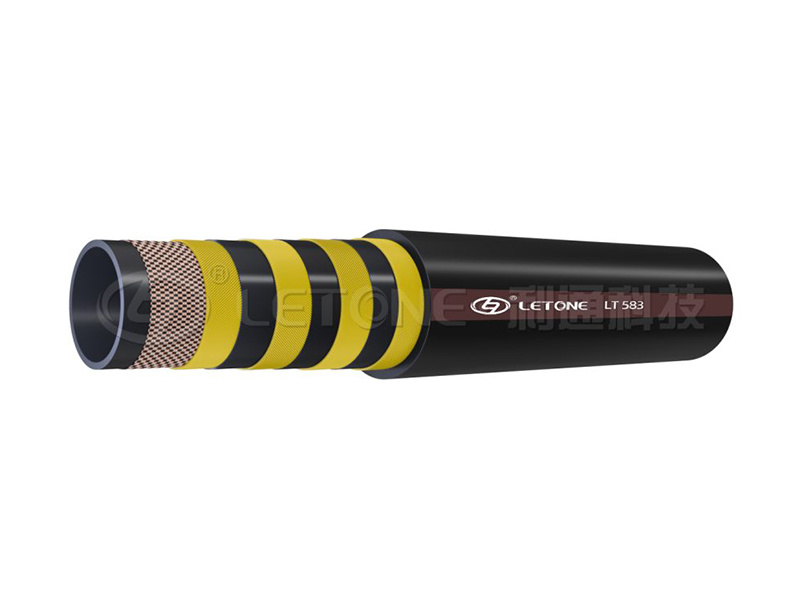
Offshore oil rig hoses are vital components used in marine operations, facilitating the transfer of fluids and materials between various systems on oil rigs. These hoses are engineered to withstand the harsh environmental conditions encountered in offshore settings, such as high pressure, corrosive substances, and extreme temperatures. Understanding their composition, types, and applications can significantly enhance operational efficiency and safety in marine projects.
There are several types of offshore oil rig hoses, each designed for specific applications. The most common types include discharge hoses, suction hoses, and specialized hoses for transferring hydrocarbons and other fluids. Discharge hoses are typically used for transferring produced oil, water, or other fluids from the rig to supply vessels or storage facilities. Suction hoses, on the other hand, are utilized to draw in fluids, making them essential for various operations, including drilling and maintenance activities.
Material selection for offshore oil rig hoses is critical. These hoses are often made from rubber, thermoplastic, or composite materials that provide resilience against abrasion, chemical exposure, and UV radiation. In particular, hoses designed for oil transfer need to be resistant to petroleum-based products to prevent degradation and ensure a longer lifespan. Furthermore, many hoses come equipped with reinforced layers to enhance strength and flexibility, crucial for maneuvering in dynamic marine environments.
When selecting offshore oil rig hoses, consider factors such as pressure ratings, temperature limits, and compatibility with the fluids being transported. It's also essential to evaluate the hose lengths and diameters, as these can affect flow rates and operational efficiency. Regular inspection and maintenance of hoses are equally important. Wear and tear can lead to leaks, which can pose serious safety hazards in offshore operations. Implementing a routine check-up schedule ensures that any potential issues are identified and addressed promptly, minimizing risks.
Additionally, proper installation practices cannot be overlooked. Hoses should be installed with appropriate fittings and secured to prevent movement during operations, which can cause undue stress and potential failure. Training personnel on the correct handling and usage of hoses is also vital to ensure safety and efficiency on the rig.
In conclusion, offshore oil rig hoses play a critical role in the functioning of marine operations. Their ability to transfer various fluids safely and efficiently is paramount to the success of offshore projects. By understanding their types, applications, and maintenance needs, professionals in the construction and decoration materials industry can optimize their use and enhance overall operational safety.
There are several types of offshore oil rig hoses, each designed for specific applications. The most common types include discharge hoses, suction hoses, and specialized hoses for transferring hydrocarbons and other fluids. Discharge hoses are typically used for transferring produced oil, water, or other fluids from the rig to supply vessels or storage facilities. Suction hoses, on the other hand, are utilized to draw in fluids, making them essential for various operations, including drilling and maintenance activities.
Material selection for offshore oil rig hoses is critical. These hoses are often made from rubber, thermoplastic, or composite materials that provide resilience against abrasion, chemical exposure, and UV radiation. In particular, hoses designed for oil transfer need to be resistant to petroleum-based products to prevent degradation and ensure a longer lifespan. Furthermore, many hoses come equipped with reinforced layers to enhance strength and flexibility, crucial for maneuvering in dynamic marine environments.
When selecting offshore oil rig hoses, consider factors such as pressure ratings, temperature limits, and compatibility with the fluids being transported. It's also essential to evaluate the hose lengths and diameters, as these can affect flow rates and operational efficiency. Regular inspection and maintenance of hoses are equally important. Wear and tear can lead to leaks, which can pose serious safety hazards in offshore operations. Implementing a routine check-up schedule ensures that any potential issues are identified and addressed promptly, minimizing risks.
Additionally, proper installation practices cannot be overlooked. Hoses should be installed with appropriate fittings and secured to prevent movement during operations, which can cause undue stress and potential failure. Training personnel on the correct handling and usage of hoses is also vital to ensure safety and efficiency on the rig.
In conclusion, offshore oil rig hoses play a critical role in the functioning of marine operations. Their ability to transfer various fluids safely and efficiently is paramount to the success of offshore projects. By understanding their types, applications, and maintenance needs, professionals in the construction and decoration materials industry can optimize their use and enhance overall operational safety.
Contact Us
E-mail :
admin@lionflex.cn
Mobile:
+86-15921166698
Address:
Hangzhou Xiaoshan District Heshang Town Daqiao Industrial Zone

Mobile: +86-15921166698
website: www.lion-hydraulic.com
Adress: Hangzhou Xiaoshan District Heshang Town Daqiao Industrial Zone

Request Quote