Provide high-quality standard hydraulic component products to global customers.

Essential Hydraulic Hose Maintenance Tips for Coal Mining Equipment
Jun 03,2026
Essential Hydraulic Hose Maintenance Tips for Coal Mining Equipment
In the coal mining industry, the efficiency and safety of equipment largely depend on the reliability of hydraulic systems. A critical component of these systems is the hydraulic hose, which is responsible for transferring fluid under pressure. Proper maintenance of hydraulic hoses is essential not just for equipment longevity but also for operational safety. This article will delve into effective tips and practices for maintaining hydraulic hoses used in coal mining equipment, ensuring both optimal performance and safety.
Understanding Hydraulic Hoses in Coal Mining Equipment
Hydraulic hoses are integral to various types of coal mining machinery, including excavators, loaders, and conveyors. They are designed to withstand high pressure and transmit hydraulic fluid that powers the equipment. Understanding the components and functions of hydraulic hoses can significantly help in their maintenance.
Components of Hydraulic Hoses
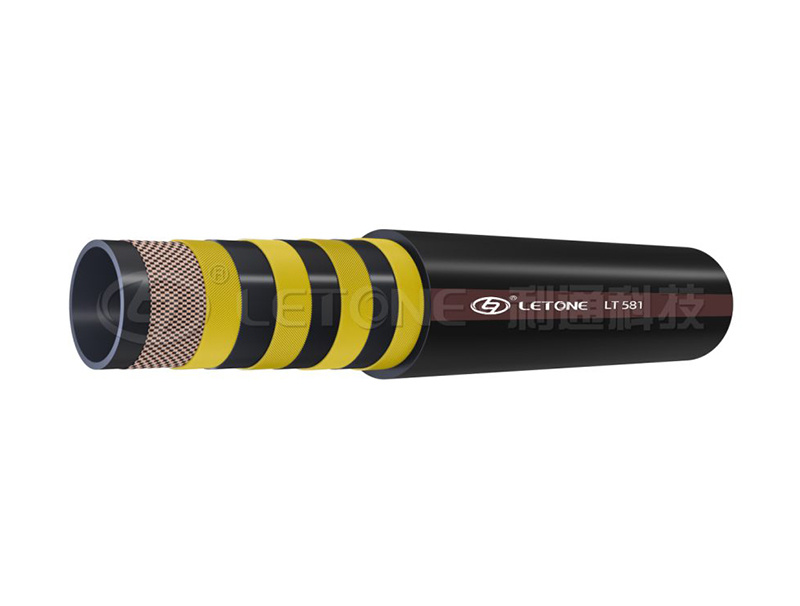
A typical hydraulic hose consists of three main components:
- Inner Tube: This is the part that carries the hydraulic fluid. It must be compatible with the type of fluid used to prevent degradation.
- Reinforcement Layer: This layer, often made of steel or textile, provides strength and flexibility, allowing the hose to withstand high pressures.
- Outer Cover: The outer layer protects the hose from environmental factors such as abrasion, heat, and chemicals.
Common Problems with Hydraulic Hoses
Hydraulic hoses can face several issues, including:
- Leaks: Often caused by wear, tear, or improper connections.
- Cracking: Can occur due to exposure to harsh environmental conditions.
- Bulges: Indicate internal damage or excessive pressure.
Regular Inspection of Hydraulic Hoses
One of the most effective ways to maintain hydraulic hoses is through regular inspections. A proactive approach can help identify potential issues before they escalate into serious problems.
Visual Inspections
Conducting visual inspections involves checking for:
- Signs of Wear: Look for abrasions, cuts, or other visible damage.
- Connection Points: Ensure that fittings are secure and free of leaks.
- Hose Routing: Ensure hoses are not kinked or twisted, which can restrict fluid flow.
Pressure Testing
Performing pressure tests helps ensure that hoses can withstand the operational pressures they will encounter. By applying pressure beyond normal operation for a short duration, any weaknesses can be identified.
Proper Cleaning Techniques for Hydraulic Hoses
Cleaning hydraulic hoses is an essential maintenance step that helps prevent contamination, which can lead to system failures.
Cleaning Procedures
- Use Compatible Solvents: Always choose cleaning agents that are compatible with the hydraulic fluid to avoid damage to the hose.
- Flush the System: Regularly flushing the hydraulic system can remove debris and contaminants.
- Dry Completely: Ensure hoses dry thoroughly after cleaning to prevent moisture build-up.
Preventing Contamination
Contamination can lead to severe malfunctions. Implementing protective measures like using caps on hose openings when disconnected and ensuring clean work environments can greatly reduce the risk.
Choosing the Right Hydraulic Hose
Not all hydraulic hoses are created equal. Selecting the right type for your specific equipment and application is crucial for maintenance and performance.
Types of Hydraulic Hoses
Consider the following types of hydraulic hoses based on application:
- Low Pressure Hoses: Suitable for general-purpose applications where pressure is not a primary concern.
- Medium Pressure Hoses: Ideal for applications that require a balance between flexibility and pressure resistance.
- High Pressure Hoses: Designed for severe service applications such as heavy-duty coal mining equipment.
Factors to Consider When Selecting Hoses
When selecting hydraulic hoses, consider:
- Fluid Compatibility: Ensure the hose material is compatible with the hydraulic fluid.
- Temperature Range: Choose hoses that can withstand both the ambient and operational temperature ranges.
- Pressure Ratings: Ensure the hose can handle the maximum pressure expected in the application.
Storage and Handling of Hydraulic Hoses
The proper storage and handling of hydraulic hoses can extend their life and prevent damage.
Storage Practices
Implement the following storage practices:
- Keep Hoses Indoors: Store hoses in a climate-controlled environment to prevent exposure to extreme temperatures and UV light.
- Avoid Kinks: Store hoses in a manner that prevents kinks or twists, which can cause internal damage.
- Use Hose Reels: Hose reels can help maintain organization and prevent tangling.
Handling Techniques
When moving or handling hoses, avoid:
- Dragging Hoses: This can cause abrasions and damage to the outer cover.
- Excessive Force: Avoid pulling or twisting hoses excessively, as this can lead to kinks or ruptures.
Emergency Procedures for Hydraulic Hose Failures
Despite best efforts, hydraulic hose failures can occur. Having a plan in place can minimize risks associated with failure.
Immediate Response Steps
- Shut Down Equipment: Immediately cease operation to prevent further damage or injury.
- Contain Leaks: Use absorbent materials to contain any leaking fluid if safe to do so.
- Assess Damage: Evaluate the extent of the damage and determine if immediate repairs can be made.
Long-term Solutions
After addressing immediate safety concerns, consider implementing long-term solutions, such as:
- Reviewing Maintenance Practices: Analyze what led to the failure and adjust maintenance protocols accordingly.
- Training for Operators: Ensure all personnel are trained in proper handling and inspection techniques.
Frequently Asked Questions (FAQs)
1. How often should hydraulic hoses be inspected in coal mining equipment?
We recommend inspecting hydraulic hoses every 250 hours of operation or at least quarterly, depending on the usage and conditions.
2. What are the signs of a failing hydraulic hose?
Common signs include leaks, cracks, bulges, and reduced performance or pressure fluctuations.
3. Can I repair a damaged hydraulic hose?
Minor damages may be repairable with hose clamps, but significant damage usually requires replacement to ensure safety and reliability.
4. What fluids are commonly used in hydraulic systems?
Common hydraulic fluids include mineral oil, water-based fluids, and biodegradable options, each chosen based on equipment requirements.
5. How can I prevent contamination in hydraulic systems?
Prevent contamination by ensuring cleanliness during hose installations, using filters, and regularly checking and cleaning hoses.
Conclusion
Maintaining hydraulic hoses in coal mining equipment is crucial for optimal performance and safety. By implementing thorough inspection routines, proper cleaning techniques, and knowledgeable hose selection, operators can minimize risks associated with hydraulic failures. Regular training and adherence to best practices ensure that hydraulic systems remain reliable and efficient, ultimately contributing to the safe operation of coal mining equipment.
Contact Us
E-mail :
admin@lionflex.cn
Mobile:
+86-15921166698
Address:
Hangzhou Xiaoshan District Heshang Town Daqiao Industrial Zone

Mobile: +86-15921166698
website: www.lion-hydraulic.com
Adress: Hangzhou Xiaoshan District Heshang Town Daqiao Industrial Zone

Request Quote